For global buyers, identifying the 2026 best tilt and swing windows means looking beyond appearance and price. The right choice depends on climate, building design, installation quality, and local product requirements. Tilt mode can provide controlled ventilation while keeping the sash mostly closed. Swing mode opens the sash wide for cleaning and access. That flexibility is useful. Yet it does not guarantee strong performance on its own.
Compare frame materials, glazing options, seals, hardware, and documented air, water, and wind performance. Ask suppliers for current test reports and clear specifications, then confirm that the stated results suit your project and destination market. Check handle operation, hinge adjustment, replacement-part availability, and warranty coverage, too. These details can matter after years of daily use. A polished product page is not enough.
There is no single best window for every building. A coastal home, a cold-climate apartment, and a renovation with limited opening space may need different solutions. Even a well-made unit can underperform if measured or installed poorly. That point is easy to overlook. This guide will help buyers compare options, assess supplier claims, and identify practical trade-offs for 2026. Some comparisons may remain imperfect, because product data and regional conditions are not always directly comparable. The goal is a careful shortlist—not a universal winner.
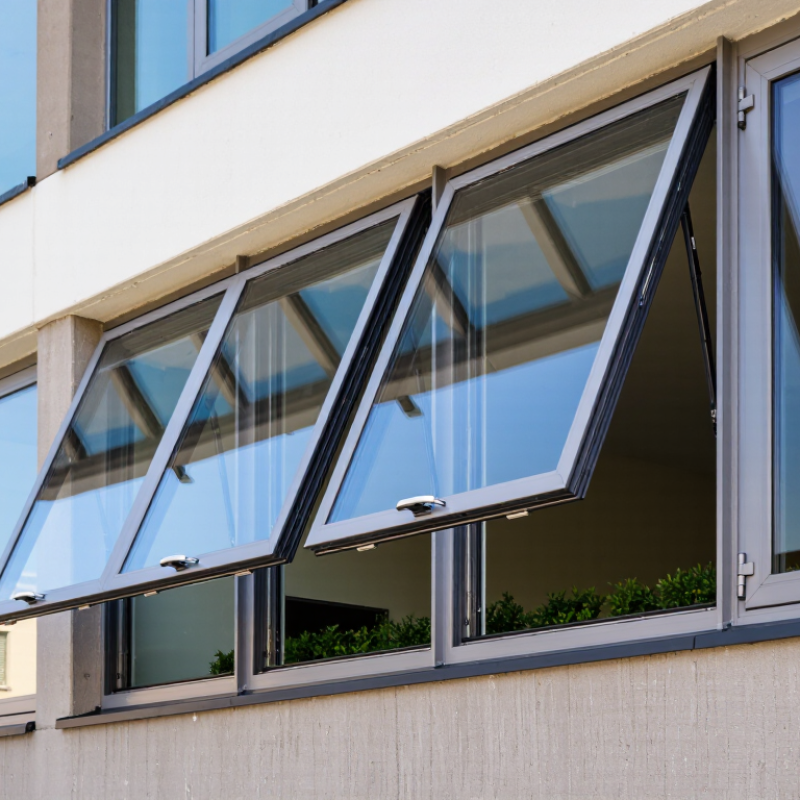
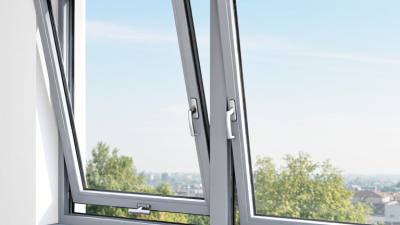
A tilt-and-turn window uses one sash and a handle to provide two opening positions. In tilt mode, the top of the sash tips inward, creating a narrow gap for ventilation while the lower edge remains secured. A small opening. Turn the handle to another position, and the sash swings inward on side hinges. This gives wider access for cleaning the inner glass and moving air through a room. The exact handle positions and hardware can vary, so product drawings are often clearer than sales labels.
For global buyers, the useful question is how the window suits the building, not just how it opens. Check the frame depth, glass specification, opening direction, and tested air and water performance. A window that works well in a mild climate may need different glazing or seals in a cold, windy, or humid location. Ask how the unit will be anchored and sealed into the wall; even good hardware cannot compensate for a poorly fitted frame. This detail is easy to overlook. Also confirm that an inward-opening sash will not conflict with curtains, furniture, or narrow interior spaces. Tilt mode offers controlled airflow, but it is not a substitute for checking ventilation needs and project-specific safety requirements.
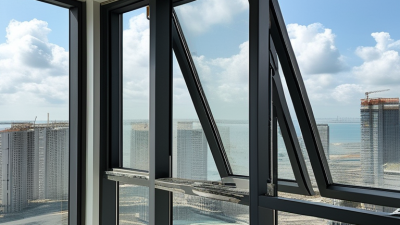
A tilt-and-swing window uses one sash and a locking handle to provide two opening paths. In tilt mode, the sash tips inward at the top while remaining secured along its sides. This creates a narrow gap for gentle ventilation without leaving the window fully open. In swing mode, the sash pivots inward on side hinges, giving a wider opening for airflow and access to the glass. Check the room layout first. A desk, curtain, or nearby furniture can block the sash’s arc.
The operating mode changes ventilation and access, not the window’s insulation by itself. The U.S. Department of Energy’s Energy Saver guidance estimates that heat gain and loss through windows account for about 25–30% of residential heating and cooling energy use. That figure describes windows broadly; it is not a guaranteed saving from choosing a tilt-and-swing design. For a practical comparison, buyers can check tested U-factor and air-leakage ratings, then confirm that the hardware supports the sash’s weight. A poorly adjusted hinge may make a large sash feel stiff. Small detail, big nuisance. Also verify which direction the sash opens before ordering, since inward movement may not suit every room.
| Buyer Dimension | Tilt Mode | Swing (Turn) Mode | What to Check Before Buying |
|---|---|---|---|
| How it opens | The sash tilts inward from the top while remaining attached along its lower edge. The exact movement depends on the hardware design. | The sash pivots inward on side hinges, opening like a casement door. In many tilt-and-turn systems, the handle selects between the two modes. | Confirm the opening direction, hinge side, handle positions, and operating sequence for the specific window system. |
| Ventilation | Provides a limited opening at the top, which can allow ventilation while keeping most of the sash in the frame. | Creates a larger opening for faster air exchange, subject to the sash size, opening angle, and site conditions. | Match the opening mode to the room’s ventilation needs and any local requirements for background or purge ventilation. |
| Rain and wind exposure | A restricted opening may reduce direct exposure compared with a fully opened sash, but it is not a guarantee against rain entry or wind effects. | A wide-open sash is more exposed to wind and weather and may need to be closed during severe conditions. | Ask for tested air-leakage, water-penetration, and wind-load performance for the complete window, not just the frame material. |
| Cleaning access | Useful for ventilation, but the limited tilt opening may not provide convenient access to the outside glass. | Inward opening can make the outside glass reachable from indoors in many installations, depending on sash size and layout. | Check whether the sash can be safely reached and whether nearby furniture, blinds, or room layouts obstruct it. |
| Space and clearance | Usually needs less inward clearance than a fully turned sash, though the top of the sash still projects into the room. | Needs clear indoor space for the sash to swing. It may conflict with curtains, furniture, fixtures, or circulation paths. | Measure the full sash movement, handle projection, and clearance from furniture before ordering. |
| Safety and access | The smaller opening can help limit access through the opening, but it should not be treated as a child-safety device. | The larger opening may provide easier access for cleaning or emergency egress where permitted and correctly sized. | Check local egress rules, restrictor requirements, child-safety provisions, and the suitability of the opening for the intended floor level. |
| Hardware and operation | Depends on compatible tilt hardware, hinges, locking points, and correct adjustment. | Uses the same operating system in many combined designs, with hardware allowing the sash to pivot on its side hinges. | Confirm handle operation, hardware load rating, adjustment access, maintenance guidance, and availability of replacement parts. |
| Best-use considerations | Often chosen when controlled ventilation and a smaller opening are priorities. | Often chosen when a wider opening, easier indoor access to the outer glass, or rapid ventilation is important. | Consider climate, building height, exposure, room use, cleaning access, and local building regulations together. |
| Performance and certification | Opening mode alone does not establish thermal efficiency, sound insulation, security, or weather resistance. These depend on the complete assembly, including glazing, seals, frame, hardware, installation, and test method. | Request product-specific test reports and check that the stated ratings are relevant to the destination market and applicable standards. | |
| Global buyer specification | Tilt-and-turn products are available in different frame materials, glazing configurations, dimensions, and hardware arrangements. Terminology and standard test methods can vary by market. | Provide the supplier with opening drawings, finished dimensions, wall details, glazing requirements, target performance, and destination-country code requirements. | |
Buying note: “Tilt-and-turn” generally describes a window sash that can tilt inward at the top or swing inward on side hinges. Exact operation, performance, and compliance depend on the specified product and its installation.
For global buyers, frame material should match the building’s climate and maintenance expectations. uPVC can limit heat transfer and needs little routine upkeep, but dark finishes may expand more in strong sun. Aluminum is slim and durable; look for thermally broken frames to reduce heat flow. Timber offers a warm appearance and useful insulation, yet exposed finishes need regular care. No perfect frame exists.
Compare whole-window thermal performance, not glass figures alone. Ask for test reports covering air leakage, water penetration, and wind resistance, using methods relevant to the project. In rainy or coastal locations, inspect drainage paths, seals, and corrosion-resistant hardware. For tilt-and-swing units, check that hinges support the sash weight and that the handle locks smoothly in both positions. Small details matter.
Tips: Request samples and written performance data for the exact size and glazing you plan to order. Confirm replacement seals and hardware can be sourced locally. A specification may look excellent on paper, but installation quality can weaken its results. That part is easy to underestimate. If comparing suppliers, make sure their figures use the same test conditions; otherwise, the neatest number may not mean much.
Tilt-and-turn windows offer two opening modes: inward swinging for broad ventilation, and top-tilting for a smaller airflow gap. Compared with sliding windows, they can open more of the frame, but require clear indoor space for the sash. Casement windows also swing outward, which may suit rooms where inward clearance is limited. Fixed windows provide daylight without ventilation. Airflow is different.
The U.S. Department of Energy estimates that heat gain and loss through windows account for 25–30% of residential heating and cooling energy use. That figure describes windows overall, not one opening style. ENERGY STAR reports potential energy-bill savings of 7–15% when replacing single-pane windows with certified models; results depend on climate, installation, and the existing window. Not always. Tilt-and-turn hardware alone cannot deliver those savings.
For global buyers, compare whole-window U-factor and solar heat gain coefficient ratings, not just frame material or opening mechanism. The National Fenestration Rating Council provides standardized ratings that help make those comparisons. A well-sealed sliding unit may outperform a poorly fitted tilt-and-turn window. That is easy to overlook. Check glazing, seals, drainage details, and local installer experience; inward-opening sashes can also complicate curtains or furniture placement. I would not choose on ventilation alone.
Global buyers should match tilt-and-swing windows to climate, room use, and installation quality—not appearance alone. The U.S. Department of Energy estimates that windows account for 25–30% of residential heating and cooling energy use. Treat this as a U.S. benchmark, not a universal prediction. In cold regions, compare low U-factors; in sunny climates, check solar heat gain coefficient (SHGC). National Fenestration Rating Council labels report both values, helping buyers compare tested products.
Tilt-and-turn designs can open inward for cleaning and wider ventilation, but need clear interior space. Check handles, seals, drainage paths, and hardware against local weather exposure. For coastal or dusty sites, ask how materials and finishes withstand corrosion and frequent cleaning. A showroom sample cannot reveal installation quality. I would not choose by frame appearance alone; exposure and fitting can change real-world performance. Small details matter.
Tips: Request performance ratings, installation drawings, warranty terms, and service guidance in writing. Confirm that opening direction works with curtains, furniture, and emergency access. Ask an installer to inspect the wall opening before ordering. DOE and NFRC guidance offer useful starting points, but neither replaces climate-specific advice from a qualified local professional.
Call us one of our 3 offices across Ontario, Canada
Thanks for contacting us!
We'll get back to you as soon as possible.