How to Choose European Tilt and Turn Windows
Choosing european tilt and turn windows requires more than comparing frame colors or advertised prices. These windows combine two opening movements: inward tilting for ventilation and inward turning for full access. That mechanism affects comfort, security, cleaning, and long-term maintenance. A poor choice can create drafts, difficult operation, or unnecessary heat loss.
Dr. Wolfgang Feist, founder of the Passive House Institute, has emphasized, “The window is not an isolated component; it belongs to the complete building system.” This principle matters when selecting european tilt and turn windows. Check the whole specification, not one impressive number. Review the Uw value, glazing composition, air tightness, solar control, and frame material. Triple glazing may help in cold climates, but it can add weight. Strong hardware becomes essential.
Look closely at installation details. A high-performance window can still fail when the frame is badly aligned or the surrounding seal is incomplete. Ask about factory testing, warranty coverage, replacement parts, and installer experience. Stand near a sample unit. Turn the handle. Feel the resistance. Listen for uneven movement. Small clues matter.
Your local climate also deserves attention. South-facing glass may need solar-control glazing, while shaded northern elevations may benefit from higher solar gain. Security hardware is useful, but it should not replace sensible locking habits. I would not pretend one specification suits every home. Even experts can overlook noise, cleaning access, or furniture near the opening. The best decision balances thermal performance, daily use, appearance, budget, and dependable installation.
Define Tilt and Turn Window Opening Modes and Core Features
How to Choose European Tilt and Turn Windows
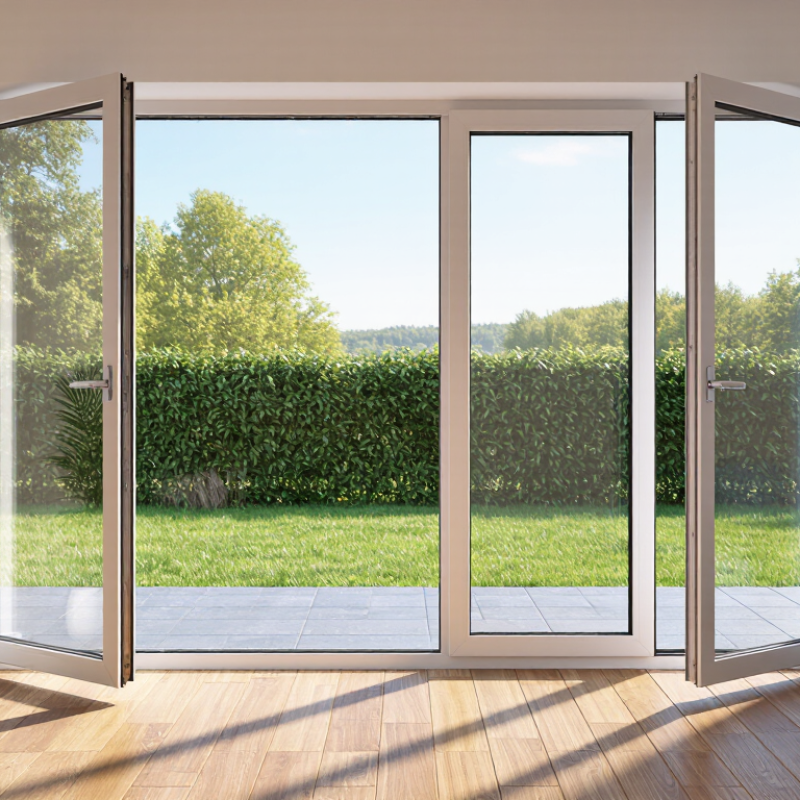
Tilt and turn windows use one sash with two opening modes. In the tilt position, the top edge leans inward several centimeters. This creates steady ventilation while limiting drafts and rain entry. It works well in bedrooms, kitchens, and occupied offices. In the turn position, the sash opens inward from side hinges. The opening becomes wider for airflow, emergency access, and glass cleaning. The handle usually points upward for tilt and sideways for turn. Small details matter.
Core features include multi-point locking, compression seals, insulated glazing, and a strong hinge system. Quality hardware should move smoothly without forcing the handle. The frame must also match the wall depth and insulation strategy. During installation checks, I look for an even gap around the sash. A 3 mm variation can affect sealing and operation. I once saw a well-made window perform poorly because the sill had no proper slope. The product was not the only issue.
Tips: Test both modes before purchase. Open the sash fully in the showroom. Check whether furniture blocks the inward swing. Ask for documented air, water, and thermal performance. Confirm the glazing type for your climate. Triple glazing may improve comfort, but it adds weight and demands stronger hardware. Consider child safety restrictors where needed. Do not choose by appearance alone. A slim frame can look elegant, yet poor installation may cause condensation and difficult closing. Go slowly.
Assess Frame Materials, Glazing Options, and Thermal Performance
How to Choose European Tilt and Turn Windows
Choosing a tilt and turn window starts with the frame, not the handle. Vinyl frames resist moisture and need little maintenance, while timber offers warmth and a natural interior finish. Composite and thermally broken aluminum frames can provide strength for larger openings. Check the frame’s chamber design, reinforcement, drainage paths, and installation depth. A slim frame is not automatically a better frame.
Glazing often determines comfort near the window. Double glazing may suit mild climates, but triple glazing can reduce heat loss in colder regions. Look for low-emissivity coatings, argon-filled cavities, warm-edge spacers, and a low whole-window U-value. The glass should also match the room’s orientation. South-facing windows may need solar-control glass, while north-facing windows usually benefit from maximum insulation. Not every triple pane helps.
Thermal performance depends on installation, too. A well-rated window can still leak air around an uneven opening or poorly sealed junction. Ask for tested Uw values, air-tightness data, and evidence from recognized European testing procedures. On site, installers should check the reveal, support the frame correctly, and protect the expanding foam from moisture. Measure twice. Small gaps matter. I used to focus heavily on center-glass values, but the frame, spacer, and installation often changed the real result. Review the complete window specification before comparing prices.
How to Choose European Tilt and Turn Windows
Compare representative whole-window U-values for common frame and glazing combinations. Lower U-values indicate better thermal insulation.
Values are representative midpoints in W/m²K for typical European window specifications; actual performance depends on frame design, spacer, glass coating, gas fill, size, and installation quality. Thermally broken frames and triple glazing generally provide lower U-values, while low-e coatings and warm-edge spacers can further improve performance.
Match Window Size, Configuration, and Hardware to the Building
How to Choose European Tilt and Turn Windows
European tilt and turn windows should fit the building, not merely the opening. Measure the structural aperture at several points, because older walls rarely stay perfectly square. Allow space for shims, insulation, and a proper sealing joint. A large sash may look elegant, yet its weight can strain hinges and make daily operation difficult. For renovation projects, confirm the wall depth and interior finish before ordering.
Choose the configuration according to ventilation, access, and room use. Tilt-only ventilation suits bedrooms and offices, while turn openings help with cleaning and emergency access where permitted by local codes. Narrow sashes can improve balance, but several divisions may reduce daylight. Hardware should match the sash weight, opening frequency, and expected security level. I prefer adjustable hardware, although maintenance is still necessary. No mechanism stays perfect forever.
Tips: Test a full-size sample if possible. Open the sash beside furniture, curtains, and radiators. Check the handle height from the floor. Ask the installer how hinges will be adjusted after settlement. Stainless or corrosion-resistant components are useful in humid rooms, but they do not replace drainage planning. Confirm thermal performance for the whole window, not only the glass. A lower glass rating may still perform poorly if the frame and installation are neglected. Get written details for warranties, adjustment intervals, and replacement parts. Small omissions become expensive later.
Verify Standards, Installation Conditions, Warranty, and Total Cost
How to Choose European Tilt and Turn Windows
Verify standards before comparing prices. European tilt and turn windows should have documented performance under EN 14351-1. Check air permeability under EN 12207, watertightness under EN 12208, and wind resistance under EN 12210. These numbers describe tested performance, not marketing language. The IEA’s Energy Efficiency 2023 report states that buildings consume about 30% of global final energy. Better windows can help, but glass, frames, shading, and ventilation must work together.
Installation conditions deserve equal attention. Measure the structural opening, sill depth, drainage path, and fixing zones before ordering. A high-performance window installed against damp masonry may still leak air. Confirm tolerances, insulation materials, interior reveals, and exterior weather sealing. Ask who handles uneven walls or damaged openings. Small site details matter. I have seen attractive specifications fail because the installer ignored sill drainage. That possibility is easy to underestimate.
Read the warranty line by line. Separate coverage for frames, hardware, sealed glass units, finishes, and installation labor. Ask whether adjustments, replacement transport, and condensation-related claims are included. The cheapest quotation may exclude removal, delivery, trims, plaster repair, and future hardware servicing. Build a total-cost sheet with every item. Include maintenance over ten years. The European Commission identifies buildings as a major energy-use sector, yet energy savings vary with climate and occupant behavior. A perfect forecast is unrealistic. Request test reports, installation references, and a written scope before paying a deposit.









 Get a Free Quote
 See our Doors





 Start your estimate