7 Tips for Choosing European Tilt Turn Windows?

European tilt turn windows can change how a room feels, performs, and ages. Their dual opening action supports gentle ventilation and wide inward access. Yet attractive frames alone do not guarantee a good result.

This guide shares seven practical tips for choosing European tilt turn windows with greater confidence. It considers frame materials, glazing, hardware, drainage, thermal performance, installation, and after-sales support. These details matter in a rainy kitchen, a windy upper-floor bedroom, or a compact apartment where inward clearance is limited.

Measure twice.

A few centimeters can affect furniture placement and sash movement. Ask for documented U-values, airtightness data, and hardware specifications. Independent test evidence is more useful than vague claims about “premium” quality. Experienced installers should explain sill height, flashing, anchoring points, and adjustment procedures before ordering.

Small details matter.

A well-made window should open smoothly without scraping. The handle should feel firm, not loose or gritty. Tilt ventilation should provide fresh air without creating an uncomfortable draft. However, no window is perfect. Some products have elegant profiles but limited local parts availability. Others perform well yet require more cleaning around complex seals. That trade-off deserves honest consideration.

We will also examine supplier reliability, warranty language, and maintenance expectations. Product brochures can look convincing, but real project references reveal more. If possible, inspect a showroom corner after repeated operation. Choosing carefully may cost more initially, but poor fitting, condensation, or delayed repairs can cost far more.

7 Tips for Choosing European Tilt Turn Windows?

What Are European Tilt Turn Windows?

7 Tips for Choosing European Tilt Turn Windows

What Are European Tilt Turn Windows?

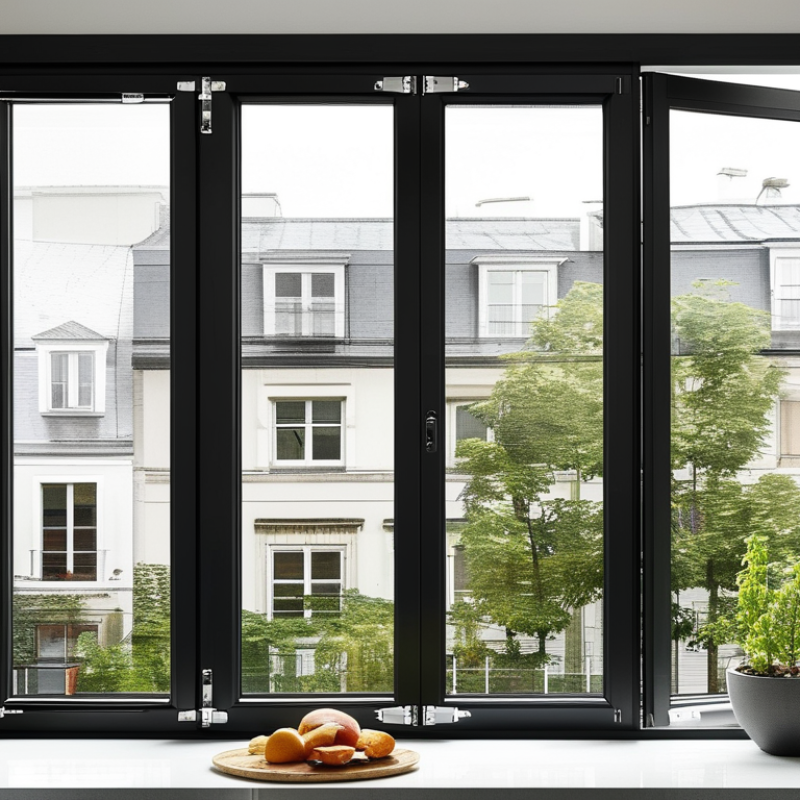
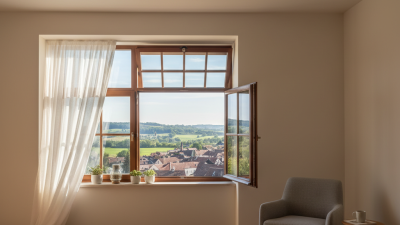
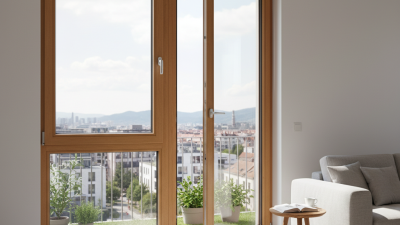
European tilt turn windows use one sash for two opening positions. Turn the handle sideways, and the sash opens inward like a casement window. Rotate it upward, and the top tilts inward for gentle ventilation. This design can reduce drafts when closed because its hardware pulls the sash tightly against the seals. It is practical, but not magic. The inward swing needs clear space for curtains, furniture, and nearby walkways.

Choosing the right unit requires more than comparing frame colors. Check the frame material and its thermal performance, especially in cold or humid rooms. Look for insulated glass with suitable low-emissivity coatings and warm-edge spacers. Examine the drainage paths, gasket quality, and multipoint locking system. These details affect comfort, noise control, and long-term maintenance. A heavy sash also needs strong hinges and accurate installation.

Measure the rough opening carefully, including wall depth and sill conditions. Measure twice. Ask the installer how the window handles water, condensation, and emergency ventilation. Confirm that the tilted position provides enough airflow without exposing the room to rain. In older buildings, uneven openings can complicate fitting; small errors may cause stiff handles or uneven seals. I have found that installation quality often matters as much as the window itself. Still, product specifications should be reviewed independently, not accepted from a sales claim alone. Think about cleaning access, replacement parts, and daily handle movement before choosing.

7 Tips for Choosing European Tilt-Turn Windows

European tilt-turn windows open in two ways: the sash tilts inward for controlled ventilation and turns inward for full opening and cleaning. The chart highlights practical selection priorities, based on commonly specified residential window performance factors.

When comparing products, verify the declared Uw value, glazing specification, air-permeability class, water-tightness class, wind-load resistance, acoustic rating, and security classification. Typical residential targets include Uw around 1.3 W/m²K or lower, air permeability Class 4 under EN 12207, and acoustic performance commonly between approximately 32 and 45 dB Rw, depending on the glass and frame design.

How the Tilt and Turn Opening Modes Work

7 Tips for Choosing European Tilt Turn Windows

How the Tilt and Turn Opening Modes Work

A European tilt-turn window uses one sash with two distinct opening actions.

In tilt mode, the top edge moves inward while the lower edge stays near the frame. This creates a controlled ventilation gap, useful during light rain or overnight airing.

In turn mode, the sash swings inward from the side hinges, like a door. The full opening supports rapid airflow and easier glass cleaning.

Test both actions before choosing a window. The handle should rotate smoothly, without forcing or scraping. Check whether the tilted gap feels stable, especially in a busy kitchen or a child’s room. Ask about hinge load, locking points, drainage paths, and the maximum sash weight. Small details matter. Poor adjustment can cause drafts.

The U.S. Department of Energy estimates that windows can account for 25–30% of residential heating and cooling energy use. The European Commission also identifies buildings as responsible for about 40% of energy consumption in Europe. These figures make airtightness, glazing, and correct installation important—not just the opening style. Look for tested air-leakage and thermal-performance values. However, performance labels can be confusing. I would compare the test method, not only the advertised number. A well-installed, modest window may outperform a premium unit fitted carelessly.

Which Frame Materials and Glass Options Fit Your Needs?

Choosing European tilt-turn windows starts with the frame, not the color sample. The material affects insulation, maintenance, strength, and visual character. uPVC frames usually offer good thermal performance and modest upkeep. Timber adds warmth and can suit older or carefully designed homes, but it needs regular protection from moisture. Aluminum frames are slim and strong, although they require effective thermal breaks. Composite frames can balance durability and insulation, but their specifications deserve close comparison.

Glass selection should match the room’s exposure. Low-emissivity double glazing often suits moderate climates and standard residential rooms. Triple glazing can improve comfort in colder areas, but it adds weight and may reduce available sunlight. Argon-filled units help slow heat transfer. For street-facing bedrooms, laminated acoustic glass can soften traffic noise. Tempered glass may improve safety near doors and low-level openings. Solar-control glass is useful beside large south- or west-facing windows, though it can make winter rooms feel darker.

Check the whole window system, not just its advertised U-value. Ask for certified performance data, spacer details, drainage design, and installation guidance. A strong frame cannot correct poor sealing around the opening. In practice, many comfort problems come from installation gaps. I once favored the slimmest aluminum profile, then reconsidered after seeing its colder interior edge. That choice looked elegant, but performance mattered more. Measure sunlight, wind, indoor humidity, and cleaning access before deciding. A qualified installer should verify dimensions on site and explain how the hardware handles daily use.

7 Tips for Choosing European Tilt Turn Windows? - Which Frame Materials and Glass Options Fit Your Needs?

Decision Area Available Option Typical Performance or Specification Best Fit For Advantages Potential Limitations Practical Selection Tip
1. Frame Material uPVC Whole-window U-values commonly range from approximately 0.8 to 1.4 W/m²K, depending on profile depth, reinforcement, glazing, and installation. Value-focused residential projects and apartments Good insulation, low maintenance, resistance to moisture, and generally competitive cost Limited color and size flexibility compared with other materials; darker finishes may require careful thermal design
1. Frame Material Timber Typical whole-window U-values are about 0.8 to 1.4 W/m²K when combined with suitable insulated glazing. Traditional, sustainable, or architecturally sensitive buildings Natural appearance, good insulation, repairability, and relatively low embodied energy when responsibly sourced Requires periodic painting or protective finishing; moisture management is essential
1. Frame Material Timber-Aluminum Often achieves whole-window U-values around 0.7 to 1.2 W/m²K with high-performance glazing. High-end homes and projects requiring interior warmth with exterior protection Timber interior, weather-resistant aluminum exterior, strong durability, and reduced routine exterior maintenance Usually higher initial cost and greater frame weight
1. Frame Material Thermally Broken Aluminum Typical whole-window U-values range from approximately 1.0 to 1.8 W/m²K; advanced systems can perform better. Large openings, contemporary buildings, coastal exposure, and high-use areas High structural strength, slim sightlines, durable finish, and good resistance to warping Conducts more heat than timber or uPVC if thermal breaks are inadequate; can have a higher purchase price
2. Glass Configuration Double Glazing Low-emissivity double glazing with argon and warm-edge spacers can typically achieve center-of-glass Ug values around 1.0 to 1.2 W/m²K. Mild climates, renovations with moderate energy targets, and cost-sensitive projects Lower weight, lower cost, and good daylight performance Usually provides less insulation and condensation resistance than triple glazing Use low-e coatings and gas-filled cavities; compare the complete window Uw value, not only the glass Ug value.
2. Glass Configuration Triple Glazing High-performance units can achieve center-of-glass Ug values of approximately 0.5 to 0.7 W/m²K. Cold climates, low-energy homes, and façades with high heating demand Improved thermal insulation, warmer interior glass surfaces, and better condensation control Higher cost and weight; may reduce solar gains and visible light depending on coatings
3. Energy Performance Low-E Coating and Argon Fill Low-emissivity coatings reduce radiant heat transfer; argon-filled cavities generally improve insulation compared with air-filled cavities. Most residential applications Improves winter insulation without requiring heavily tinted glass Performance depends on coating position, cavity width, spacer type, and manufacturing quality
4. Solar Control Solar-Control Glass Lower solar factor, or g-value, reduces unwanted solar heat entering through the glass. South- and west-facing façades, warm climates, and rooms with large glazed areas Helps reduce overheating and mechanical cooling demand May reduce winter solar gains and visible light; appearance can vary by coating
5. Acoustic Performance Laminated Acoustic Glass Acoustic performance is commonly expressed as Rw in decibels; complete window ratings often fall approximately between 35 and 45 dB, depending on design. Homes near roads, railways, airports, or dense urban areas Improves noise reduction and can also provide enhanced impact resistance Heavier and usually more expensive; ventilation openings can reduce overall acoustic performance
6. Safety and Security Laminated or Tempered Glass Tempered glass breaks into smaller granules; laminated glass retains fragments with an interlayer after breakage. Ground floors, doors, children's rooms, and locations requiring safety glazing Improves occupant safety; laminated glass can also support acoustic and security objectives Safety glass does not make a window completely burglary-proof; laminated glass may cost more
7. Ventilation and Operation Tilt-Turn Hardware The sash tilts inward for controlled ventilation and turns inward for larger ventilation openings and cleaning access. Bedrooms, kitchens, high-rise apartments, and buildings needing easy maintenance Flexible ventilation, convenient cleaning from indoors, and good weather sealing when correctly adjusted Requires adequate indoor clearance; heavy triple-glazed sashes need correctly rated hardware
Installation Check Whole-Window Verification Review Uw, air permeability, watertightness, wind resistance, acoustic rating, and applicable product test evidence. Every project, especially energy-efficient or exposed buildings Provides a more realistic basis for comparing complete window assemblies Results can vary with dimensions, configuration, spacer, frame, glass, and installation method
Performance ranges are typical guidance values, not guarantees. Actual results depend on window size, profile design, glazing combination, hardware, climate, workmanship, and installation quality.

How to Compare Energy Efficiency, Security, and Durability

7 Tips for Choosing European Tilt Turn Windows

Compare whole-window Uw values, not glass-only Ug figures. Lower Uw means less heat transfer through the complete frame and glazing. The European Commission reports that buildings consume about 40% of the EU’s energy. Window performance matters. Check the declared value, test temperature, and product size. Glazing solar factor, or g-value, also deserves attention. A low value reduces summer overheating, but may reduce winter heat gains. Comfort is not perfectly simple.

Ask for airtightness results under EN 12207. Tip 1: compare Uw. Tip 2: check g-value. Tip 3: verify air leakage. Tip 4: inspect the hardware. Multi-point locking, robust hinges, and concealed drainage should work smoothly. EN 1627 resistance classes provide a more useful security comparison than vague phrases like “high security.” Glass should match the room’s risk. Laminated inner glass can delay entry after impact.

Review durability evidence, including opening-and-closing tests under EN 1191 and classification under EN 12400. Tip 5: ask for tested cycles. Tip 6: examine seals and drainage. Tip 7: evaluate installation quality. The U.S. Department of Energy estimates windows can represent 25–30% of residential heating and cooling energy use. However, that figure varies with climate, shading, and installation. A well-rated window can still perform poorly with compressed seals or a cold bridge around the frame. I have seen specifications look impressive, yet the room remained drafty. Test reports are useful, but site workmanship needs equal scrutiny.

What Installation and Maintenance Factors Should You Check?

Choosing European tilt turn windows requires careful attention to installation details, not just glass size or frame style. Check whether the wall opening is structurally sound, dry, and accurately measured. The frame should sit perfectly plumb, level, and square. Even a small error can cause difficult operation and uneven seals.

Ask the installer how they will manage flashing, insulation, and exterior drainage. Water must move away from the sill, not collect behind the frame. Expanding foam can improve insulation, but it should not replace proper support or weatherproof membranes.

On site, I would test both opening modes before the trim is installed. The sash should move smoothly without rubbing, and the locking points should engage evenly. Do not accept “it will settle” too quickly.

Maintenance is simple, but easy to postpone. Clean tracks and drainage channels with a soft brush twice a year. Wipe the gaskets with mild soap, then inspect them for cracks or flattening. Use only a small amount of suitable lubricant on hinges and locking hardware. Too much oil attracts dust. Check interior corners after heavy rain, especially during the first winter. Condensation may indicate ventilation problems, poor insulation, or high indoor humidity, rather than a defective window. I once overlooked a blocked drainage path during a routine inspection. It was a useful reminder: small details matter. Keep installation records and schedule professional adjustments when the sash becomes stiff, drops slightly, or fails to seal evenly.