China has become a significant source of European tilt and turn windows for residential, commercial, and renovation projects. Its manufacturers offer varied profiles, glass packages, hardware systems, and finish options. However, choosing a supplier requires more than comparing online prices.
This guide examines China’s top 10 European tilt and turn windows manufacturers through practical, buyer-focused criteria. These include manufacturing experience, profile quality, thermal performance, air and water tightness, hardware reliability, customization ability, and export support. Details such as reinforced corner joints, multi-point locking, low-e glass, and concealed drainage can influence long-term performance. Small differences matter.
A credible manufacturer should provide clear technical data, tested product reports, quality-control procedures, and traceable project references. Certifications may support confidence, but they should be checked for scope, validity, and relevance to the destination market. Factory photographs alone are not enough. A useful supplier evaluation also considers communication speed, sample accuracy, packaging protection, lead times, and after-sales responsibility.
This ranking is intended as a practical starting point, not an unquestionable verdict. Manufacturer capabilities can change, and public information may remain incomplete. Buyers should request current documentation and inspect samples before signing a contract. If possible, arrange a factory audit or use an independent inspection service. That step can reveal production details that polished brochures often miss.
The selected companies may suit different needs, from standard apartment windows to large custom openings. Careful comparison helps balance appearance, performance, cost, and project risk. In real construction, reliability matters more than impressive promises.
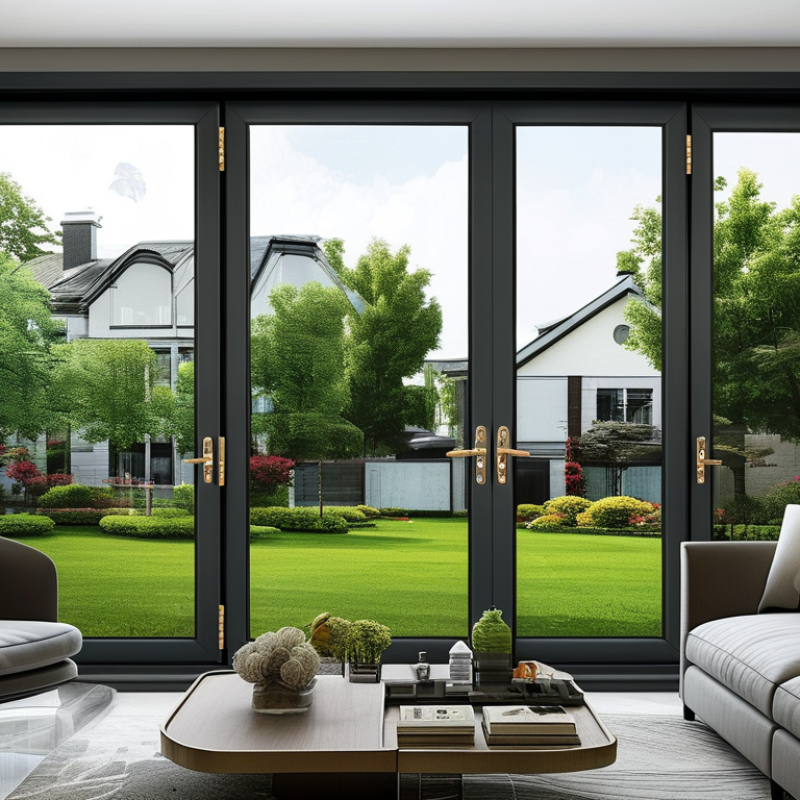
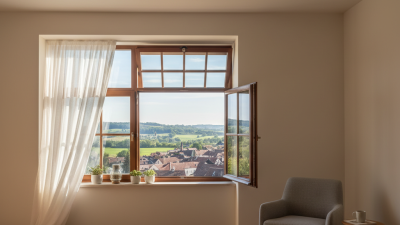
European tilt and turn windows are inward-opening units with two operating positions. In tilt mode, the top sash leans inward for controlled ventilation. In turn mode, the sash swings inward like a door for cleaning and maximum airflow. This dual action separates them from ordinary sliding or fixed windows. A visible handle usually controls both movements through concealed or surface-mounted hardware. Simple in use. Precise in construction.
Their main features include insulated frames, double or triple glazing, continuous gaskets, and multipoint locking. These parts work together to reduce drafts, outside noise, and heat transfer. Tilt ventilation can release warm indoor air without fully exposing the room. The inward opening also makes exterior glass easier to reach from inside, especially on upper floors. Well-designed drainage channels guide rainwater away from the frame. Corner welding and hardware adjustment matter more than appearance alone. Small gaps can weaken impressive specifications.
When evaluating manufacturers in China, buyers should request section drawings, thermal data, airtightness results, and hardware cycle tests. Factory experience helps, but documented quality control is more reliable than confident sales language. Check profile tolerances, glass spacers, gasket compression, and installation guidance. A window may perform poorly if the opening is measured incorrectly or the frame is poorly shimmed. This detail is often overlooked during project planning. The design is efficient, yet not automatically perfect. Local climate, wall depth, and emergency egress rules can change the suitable configuration. Samples should be operated repeatedly before a large order.
China Top 10 European Tilt and Turn Windows Manufacturers
Key Selection Criteria for Chinese Window Manufacturers
Selecting a Chinese window manufacturer requires more than comparing catalog prices. Look for proven experience with European tilt and turn systems. Ask for project references, production records, and detailed technical drawings. A reliable supplier should explain profile materials, glass specifications, hardware grades, and drainage design clearly. Vague answers create avoidable risks.
Factory quality systems deserve close attention. Request evidence of product testing for air permeability, water tightness, wind resistance, thermal performance, and operating cycles. Independent laboratory reports are more useful than attractive showroom displays. Check whether the factory controls cutting, welding, glazing, and final inspection internally. Small process gaps can cause large installation problems. I have found that clear inspection checklists often reveal more than sales presentations.
Communication is another practical selection criterion. Confirm response times, drawing approval procedures, packaging methods, delivery schedules, and after-sales responsibilities. The supplier should provide installation guidance and replacement hardware support. Custom colors and unusual dimensions may require extra testing. Do not assume every factory handles them equally well. A lower quotation may exclude screens, reinforcement, protective packaging, or testing fees. No factory is perfect. Therefore, review sample windows under real conditions, including corner joints, gasket compression, handle movement, and drainage holes. This careful review supports a more reliable purchasing decision.
China’s top 10 European tilt and turn window manufacturers are best judged by evidence, not factory size. This ranking focuses on manufacturers serving European projects from China. Each candidate should show stable profiles, accurate hardware positioning, and documented air, water, and wind performance. Factory visits reveal details that brochures often hide.
A strong manufacturer understands European installation conditions. Check thermal-break design, glazing thickness, drainage paths, and corner welding quality. Test reports should come from recognized laboratories and match the supplied window system. Product documentation should support applicable European requirements, including performance declarations where required. Clear drawings, batch records, and responsive technical support also matter.
Practical experience exposes the real differences. Ask for production samples, packing photos, and recent project references. Inspect hinges after repeated opening cycles. Test the handle at several angles. Small defects can become expensive on site. One supplier may offer excellent frames but weak after-sales communication. Another may quote quickly yet lack consistent quality control. A ranking can never be perfectly objective. Independent inspections and written specifications remain safer than attractive promises. Availability of replacement hardware, realistic lead times, and careful export packaging should influence the final decision.
| No. | Evaluation Dimension | Typical European Specification or Practice | What Buyers Should Verify | Relevance for China-Based Supply |
|---|---|---|---|---|
| 1 | Window Operating System | Combined inward tilt ventilation and side-hung opening, normally operated with one handle. | Confirm the hardware supports both opening positions and includes an incorrect-operation device. | Important for residential, renovation and apartment projects requiring flexible ventilation. |
| 2 | Profile Materials | Common systems use uPVC, thermally broken aluminium, timber or timber-aluminium composite profiles. | Check profile wall thickness, reinforcement, thermal breaks, surface finish and applicable system documentation. | Material selection affects weight, durability, thermal performance and shipping cost. |
| 3 | Thermal Performance | Performance is assessed using U-values; lower U-values indicate better thermal insulation. | Request the whole-window Uw value, not only the frame Uf or glass Ug value. | Project specifications may require calculations based on local climate and national building rules. |
| 4 | Air Permeability | European testing commonly classifies air permeability under EN 12207, with higher classes indicating tighter products. | Ask for a test report covering the complete assembled window and its tested dimensions. | Good airtightness can improve comfort and reduce uncontrolled heat loss. |
| 5 | Watertightness | Watertightness is commonly evaluated according to EN 12208 using pressure-based testing. | Verify the declared classification, drainage design, seals and installation details. | Particularly relevant for coastal, high-rainfall and exposed building locations. |
| 6 | Wind Resistance | Wind-load classification is determined through testing and depends on window size, glazing and reinforcement. | Match the tested classification to the project exposure and actual window dimensions. | Large openings and high-rise installations require careful structural verification. |
| 7 | Glazing Options | Available configurations may include double or triple insulating glass, low-emissivity coatings, argon filling and laminated safety glass. | Check glass thickness, spacer type, gas filling, safety requirements and declared Ug value. | Glass selection strongly influences insulation, sound reduction, solar gain and unit weight. |
| 8 | Hardware and Security | Tilt and turn systems typically use perimeter locking hardware with multiple locking points. | Verify corrosion protection, handle operation, hinge capacity, locking points and compatible replacement parts. | Reliable hardware reduces adjustment needs and supports long-term maintenance. |
| 9 | Compliance Documentation | Relevant documentation may include technical drawings, performance test reports, declarations and installation instructions. | Confirm that documents apply to the exact profile, glass, hardware and size combination supplied. | Complete documentation helps with customs, tender submissions, approvals and quality control. |
| 10 | Export and Project Support | Professional suppliers generally provide shop drawings, sample approval, packaging plans, installation guidance and after-sales support. | Evaluate production lead time, quality inspection procedures, packaging, spare parts and communication capability. | Strong project support lowers the risk of damage, measurement errors and installation delays. |
Note: Technical performance varies by profile system, glazing, hardware, dimensions and installation. Request product-specific test documentation before making a purchasing decision.
Product quality begins with verified process control, not attractive catalogs. During factory evaluations, buyers should inspect profile storage, CNC accuracy, welding corners, drainage paths, and glass-unit handling. The ISO Survey 2022 recorded 1,265,216 ISO 9001 certificates worldwide, but certification alone does not prove consistent window performance. It shows a management system exists.
European tilt and turn windows should be tested against EN 14351-1. Air permeability follows EN 12207, while watertightness uses EN 12208. Wind resistance is assessed under EN 12210. Strong manufacturers provide complete test reports, calibration records, and batch traceability. Thermal breaks, low-conductivity spacers, reinforced hardware zones, and accurate gasket compression also matter. Small errors become visible around the handle and lower sash.
Manufacturing capability deserves direct evidence. Look for automated cutting, controlled powder coating, insulated-glass assembly, and final inspection stations. The European Commission reports that buildings consume about 40% of Europe’s energy, so thermal performance cannot be treated as decoration. Yet some supplier data remains difficult to compare. U-values may use different glass or frame sizes. That weakness needs attention. A reliable top-ten list should therefore combine certificates, laboratory results, production capacity, export experience, and independent audits, rather than trusting rankings or sales claims.
When comparing China’s top ten European tilt and turn window manufacturers, price should never stand alone. A basic quotation may exclude upgraded hardware, triple glazing, thermal breaks, or special finishes. Request a complete cost sheet with unit prices, tooling fees, packaging, inland delivery, and shipping terms. This exposes hidden costs early. Lead time also matters. A reliable supplier should provide production schedules, inspection points, and clear responses when specifications change.
Service quality often separates a competitive factory from a risky purchase. Look for accurate shop drawings, physical samples, stable communication, and documented quality checks. Export experience is equally important. Manufacturers serving overseas buyers should understand container loading, moisture protection, customs documents, and installation guidance. Ask for recent project references, not only polished catalog images. Warranty terms should state coverage, exclusions, and response times. Some suppliers promise too much. That deserves caution.
Tips: Compare identical specifications. Check frame depth, glass structure, hardware grade, and delivery terms. Ask how rejected units are handled. Confirm whether replacement parts are available. A factory with many export markets may still perform poorly on your project. My own comparison can miss small communication delays, which later become expensive. Keep written records, approve final drawings, and test one sample before placing a large order.
Call us one of our 3 offices across Ontario, Canada
Thanks for contacting us!
We'll get back to you as soon as possible.