What Are the Top Types of Nepean Doors and Windows?
Choosing nepean doors and windows is not only about appearance. The right style can improve daylight, ventilation, access, and everyday comfort. A sliding door may suit a compact patio where a swinging panel would obstruct furniture. Hinged and French doors can create a wider opening, while bifold designs fold back to connect indoor and outdoor spaces. Each option has trade-offs. Frame material, glass performance, hardware, and installation quality matter as much as the style.
Window choices also shape how a room feels. Casement and awning windows open outward to bring in fresh air, while fixed windows frame a view without opening. Double-hung styles offer another ventilation approach, and bay windows can add depth near a sitting area. Still, no type is automatically best for every home. A sunny west-facing room may need different glazing considerations from a shaded hallway. Details like clearance, cleaning access, and the direction a window opens can be easy to overlook. That can change daily use.
This guide explores popular door and window types for Nepean homes, with practical points to consider before comparing options. Local conditions, building design, and personal priorities all influence a suitable choice. Product specifications and professional advice should be checked for each project; a attractive design alone does not guarantee comfort or performance. Start with how you use each room, then weigh style against function. There may be compromises. That is worth considering.
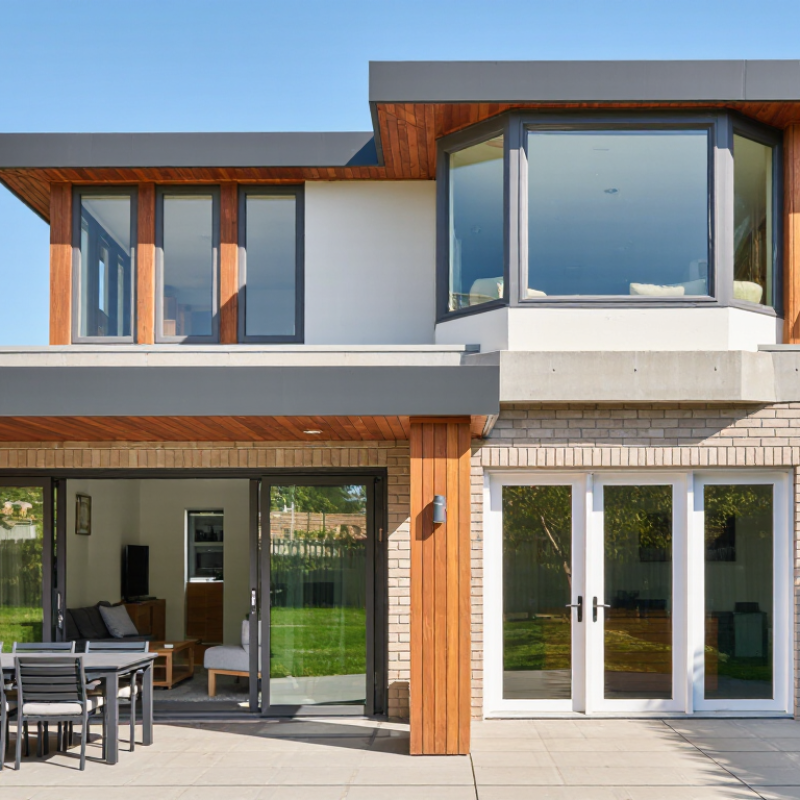
Classify Nepean Window Styles: Casement, Awning, Sliding, and Fixed
Nepean homes can use several window styles, each suited to different rooms and practical needs. Casement windows hinge at the side and open outward, directing breezes indoors when positioned well. Their broad opening can help with ventilation, but needs clear space outside. Check nearby paths, plants, and outdoor furniture before choosing them. They also rely on sound hinges and seals to close snugly.
Awning windows hinge at the top and tilt outward from the bottom. They can admit air during light showers, though they are not a substitute for weather protection in severe conditions. Sliding windows move horizontally along a track, making them useful beside decks or narrow walkways. Usually, only one sash opens, so ventilation may be more limited than with casements. Keep the track clean; dust can make movement stiff.
Fixed windows do not open. They suit spaces where daylight and an uninterrupted view matter more than airflow, such as a stairwell or a garden-facing living room. Pairing fixed panels with opening windows can balance light and ventilation. There is no perfect style. Room layout, exposure to wind, and ease of cleaning all affect the choice, and overlooking one detail can be frustrating later. A qualified installer can assess the opening, glazing needs, and fit before work begins.
Compare uPVC, Wood, Fiberglass, and Aluminum Frames by U-Factor
In Nepean, a window’s U-factor can help you compare how quickly heat moves through it. Lower values generally mean better insulation. Check the rating for the whole window, not just its frame. Glass, spacers, and seals all affect performance.
uPVC frames often achieve competitive U-factors because their hollow chambers slow heat transfer. Wood is also naturally insulating, though it needs regular care to limit moisture damage.
Fiberglass frames can combine low heat transfer with dimensional stability. Their performance still depends on construction. Aluminum is strong and slim, but conducts heat readily; a thermal break helps reduce that transfer.
Look closely at comparable ratings. A triple-glazed unit cannot be fairly compared with a basic double-glazed one by frame material alone. Ask for the same rating system and similar window configurations. Small details matter. A well-rated window may still feel cold if it is poorly installed or has gaps around the frame. I would not choose on U-factor alone; sunlight, ventilation, and maintenance matter too.
Map Door Types: Entry, Patio, French, and Sliding
What Are the Top Types of Nepean Doors and Windows?
Entry, patio, French, and sliding doors serve different needs around a Nepean home. An entry door faces daily use and changing weather, so a well-fitted frame, secure lock, and tight weatherstripping matter. Patio doors connect indoor rooms to decks or gardens. French doors use paired hinged panels and create a wider opening, but need room to swing. Sliding doors save floor space and suit areas where furniture sits close to the doorway. Their tracks can collect grit. Not maintenance-free.
Energy performance deserves attention, too. The U.S. Department of Energy’s Energy Saver guidance estimates that windows account for about 25–30% of residential heating and cooling energy use. That figure covers windows, not doors, but it highlights why glazing and air leakage deserve careful checks. For Nepean’s seasonal temperature swings, compare whole-unit ratings, glass options, frame materials, and installation details—not just the door style. A lower-rated unit may look identical on the showroom floor.
Tips: Measure the rough opening and check the sill for signs of water entry. For sliding units, inspect the track and rollers; for French doors, confirm both panels close evenly. Ask for product performance documents, then verify that the proposed installation suits the home’s exposure.
Compare Double- and Triple-Pane Glazing Using U-Factor (W/m²·K)
For Nepean homes, U-factor helps compare how quickly heat escapes through a complete window. Lower numbers mean better insulation. The Efficient Windows Collaborative’s performance data places many double-pane, low-emissivity windows around 1.6–2.0 W/m²·K, while comparable triple-pane units often fall near 1.0–1.4 W/m²·K. These are indicative ranges, not guarantees; frame material, gas fill, spacers, and window size all affect the tested result. The National Fenestration Rating Council rates whole-window performance, so check the label rather than relying on centre-of-glass claims.
Triple glazing can make a noticeable difference beside a chilly bedroom window or during a long Ottawa-area cold snap. But a lower U-factor does not automatically make it the best choice. Triple-pane units may cost more and weigh more, and installation quality can undermine their advantage. I would compare the rated U-factor with the project budget and the condition of the existing frames; that trade-off is easy to overlook.
Tips: Ask for the whole-window U-factor in W/m²·K, plus the test rating. Compare similarly sized units with similar frames and coatings. Check air leakage ratings, too: a well-insulated pane cannot fix drafts around a poorly sealed frame. If the numbers look unusually low, verify the product configuration on its rating label.
Evaluate CSA A440.2 Ratings and Air Leakage Tested at 75 Pa
What Are the Top Types of Nepean Doors and Windows?
In Nepean, casement and awning windows can suit rooms where tight closure matters during cold, windy weather. Sliding windows and patio doors save space, while fixed windows provide daylight without an opening sash. Style matters, but performance ratings deserve equal attention. A handsome unit can still feel drafty.
CSA A440.2 energy ratings help compare a window or door’s modeled energy performance. The rating considers factors such as heat transfer and solar gain; a higher value generally indicates better energy performance. Still, it is not a promise of lower bills in every home. Orientation, shading, installation, and indoor temperature all affect results. Check that you are comparing similar product types and sizes.
Ask for air leakage test results measured at 75 Pa, and confirm the reported units and tested configuration. Lower leakage generally means less air passes through the closed assembly under that test pressure. It does not guarantee an airtight installation. Look closely at frame joints, weatherstripping, and the sill, where gaps can be easy to miss. I would not judge performance from a label alone. It is a small, imperfect shortcut. Compare the test report with the exact door or window being considered, then discuss installation details with a qualified installer.



 Get a Free Quote
 See our Doors





 Start your estimate