Top Tips for Installing Doors and Windows Successfully?

Installing doors and windows can significantly enhance your home’s aesthetic and security. Proper installation ensures energy efficiency and durability, making it an essential task for homeowners. Many attempt this project without a clear plan, leading to mistakes that could have been easily avoided.

One common issue is measurement errors. Accurate measurements are crucial to install doors and windows that fit perfectly. If they don't fit well, gaps can occur, leading to drafts and higher energy costs. Additionally, using the wrong tools or materials may result in poor installation quality. It's vital to choose reliable products that match the climate conditions of your area.

Lastly, even seasoned DIYers may overlook the importance of following manufacturer guidelines. Each window and door has unique requirements for installation. Skipping steps can create problems long after the project is complete. Taking the time to research and prepare is key to a successful installation. By being attentive to detail, you can achieve the best results in your door and window projects.
Top Tips for Installing Doors and Windows Successfully?

Essential Tools and Materials for Door and Window Installation

When installing doors and windows, having the right tools and materials is essential. Studies indicate that over 50% of installation failures arise from improper tool usage. A basic toolkit should include a level, tape measure, and a drill. Each tool plays a crucial role in ensuring that installations are plumb and secure.

Beyond tools, materials are just as vital. Select high-quality framing materials to prevent future warping. A report from the National Association of Home Builders highlights that inferior materials can lead to increased energy costs, with an average loss of 30% in thermal efficiency from poor installations. Quality weather stripping and sealants are essential to enhance durability and efficiency, especially in harsh environments.

It's also important to consider project-specific needs. Not all doors and windows are the same. An oversight in choosing the correct hinges or fasteners may lead to complications down the line. Proper research and expert consultation can help mitigate risks associated with poor choices. The right combination of tools and materials creates a strong foundation for a successful installation.

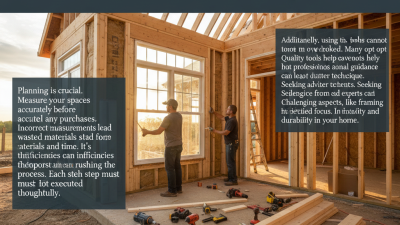
Top Tips for Installing Doors and Windows Successfully

Preparing the Opening: Measurements and Alignment Techniques

Top Tips for Installing Doors and Windows Successfully?

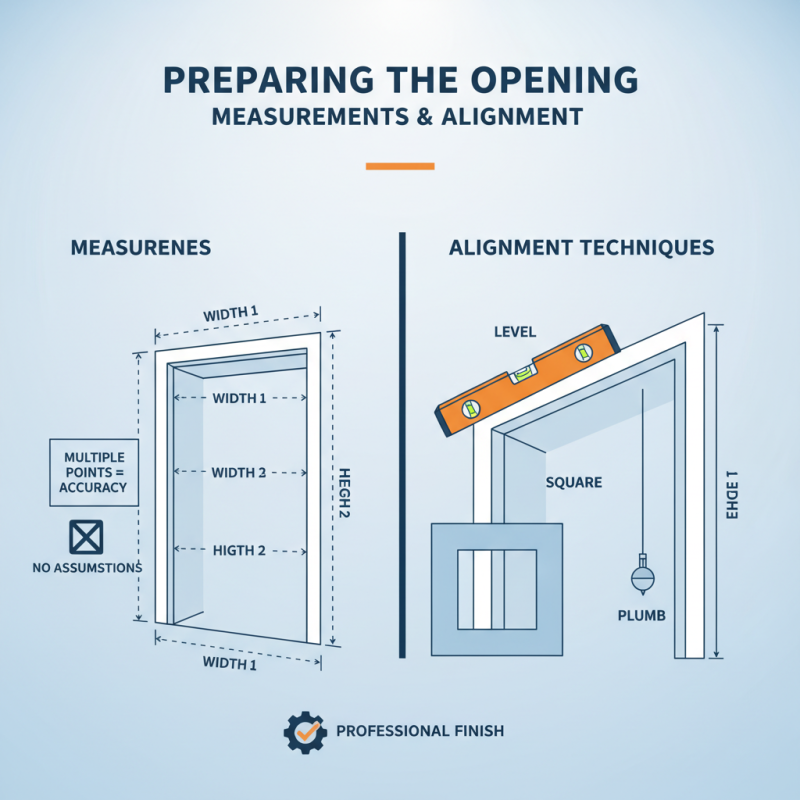
Preparing the opening for doors and windows is critical to a successful installation. Accurate measurements are the foundation of a professional-looking finish. Measure the width and height of the opening at multiple points. This ensures that you account for any irregularities in the wall. A common mistake is assuming a perfectly square opening, which rarely exists.

Alignment is equally important. Use a level to confirm that the opening is plumb and square. If it isn't, adjustments may be necessary. You can use shims to correct any misalignments. Keep in mind, though, that this can feel tedious. Rushing through this step may lead to crooked installations, causing future problems such as draft issues or uneven wear.

While it may seem simple, preparing the opening requires careful attention. Even small errors in measurement or alignment can lead to significant complications later. Take your time. Recheck every measurement. Acknowledging potential misalignments upfront will save time and effort in the long run.

Step-by-Step Process for Installing Doors: Tips and Best Practices

Installing doors and windows can significantly enhance your home’s appearance and energy efficiency. A step-by-step process helps ensure a successful installation. Measure the opening accurately. This step can be simple yet crucial. Using the wrong measurements can lead to gaps and poor insulation. Double-checking is always a smart practice.

When unpacking your new door or window, handle it carefully. Damage during transport is common. Look out for scratches or dents. If something seems off, it’s best to address it before installation begins. Follow the manufacturer's instructions closely. Each product may have unique requirements. Missing a step could lead to complications later.

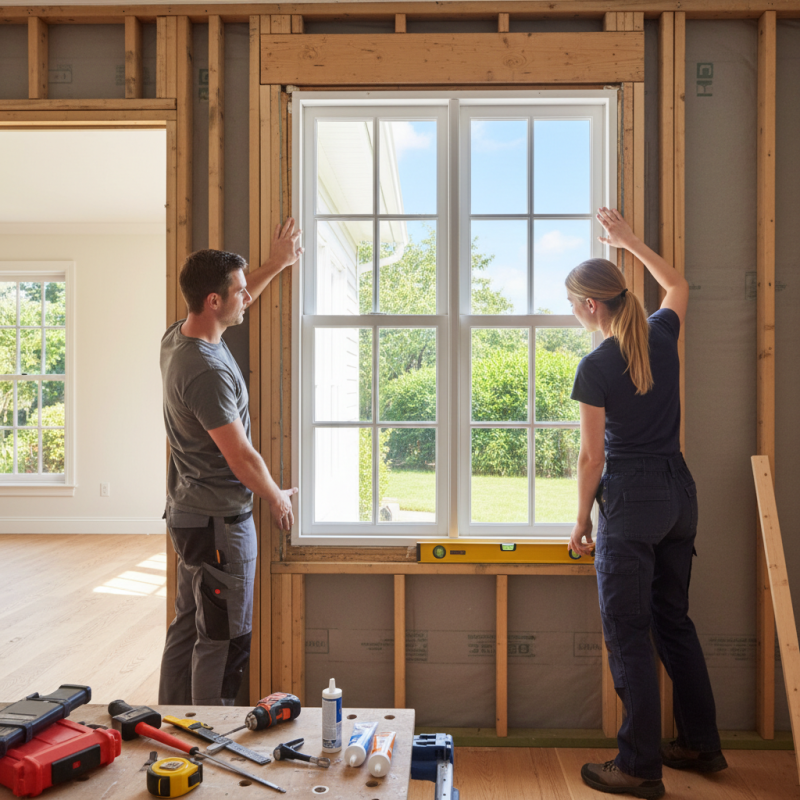
During installation, use a level to ensure everything is straight. This small tool can make a big difference. If your door or window isn’t level, it may not close properly. Be patient, and don't hesitate to make adjustments. Remember, each installation can present unique challenges. Reflect on your process after completion to improve in the future. Skills grow with experience, and every project offers lessons worth learning.

Window Installation Guide: Sealing and Insulating for Effectiveness

When installing windows, sealing and insulating are critical steps often overlooked. Proper sealing can reduce air leakage by up to 50%, as per the U.S. Department of Energy. This reduction not only enhances energy efficiency but also improves indoor comfort.

To begin, ensure the window frame is level and square. Use a high-quality foam sealant around the perimeter. This creates an airtight barrier that prevents drafts. Insulation around the frame is equally important. Use fiberglass or spray foam insulation, ensuring there are no gaps. According to the National Fenestration Rating Council, well-insulated windows can save homeowners an average of $465 annually on energy bills.

Common mistakes include inadequate sealing or failing to check for moisture. This can lead to mold growth and decreased longevity of the installation. It's important to reflect on your work after installation. Are all edges properly sealed? Is insulation consistent? Taking the time to address these details can save money and improve home comfort in the long run.

Common Mistakes to Avoid During Door and Window Installations

When installing doors and windows, avoiding common mistakes is essential for achieving a successful outcome. One common oversight is neglecting proper measurements. Inaccurate dimensions can lead to gaps or misalignment, impacting the unit's performance and aesthetics. Always measure twice and confirm those numbers. A simple miscalculation can lead to costly repairs.

Another frequent error is failing to check the level. Windows and doors should be installed straight, ensuring they operate smoothly. When they are off-level, they may not close properly or may lead to air leaks. Use a level to verify installation accuracy, even if it seems time-consuming.

Proper sealing is also critical. Many homeowners skip this step or apply it incorrectly, which compromises energy efficiency. Using quality materials and techniques for sealing can prevent drafts. Additionally, review your installation process regularly. Reflecting on what worked and what didn’t can lead to improvement in future projects. Each installation experience offers valuable lessons.