Choosing new nepean doors and windows can make a room quieter, warmer, and brighter. It can also become an expensive mismatch if measurements or installation details are overlooked. Ottawa-area weather puts real pressure on frames, seals, and glass. A window that looks impressive in a showroom may feel drafty beside a north-facing living-room wall.
Architect Carl Elefante’s widely cited reminder, “The greenest building is the one that is already built,” offers a useful perspective on home upgrades. Replacing windows should solve a clear problem, not just follow a trend. Start by noticing what happens on cold mornings: Is there condensation on the glass? Do you feel a draft near the sill? Does street noise interrupt conversation? Small observations help you compare products with purpose.
This guide shares seven practical tips for buying nepean doors and windows, from checking energy ratings to reviewing frame materials, glass options, warranties, and installation plans. Ask how each choice suits your home’s orientation and exposure to wind-driven rain. Get measurements confirmed before ordering. Read the estimate closely. It should explain product specifications and installation scope in plain language. A low quote may leave important work unclear. And one detail is easy to miss: a high-performance window cannot compensate for careless installation. Compare carefully, but leave room for questions. No checklist replaces a qualified, local assessment of your home.
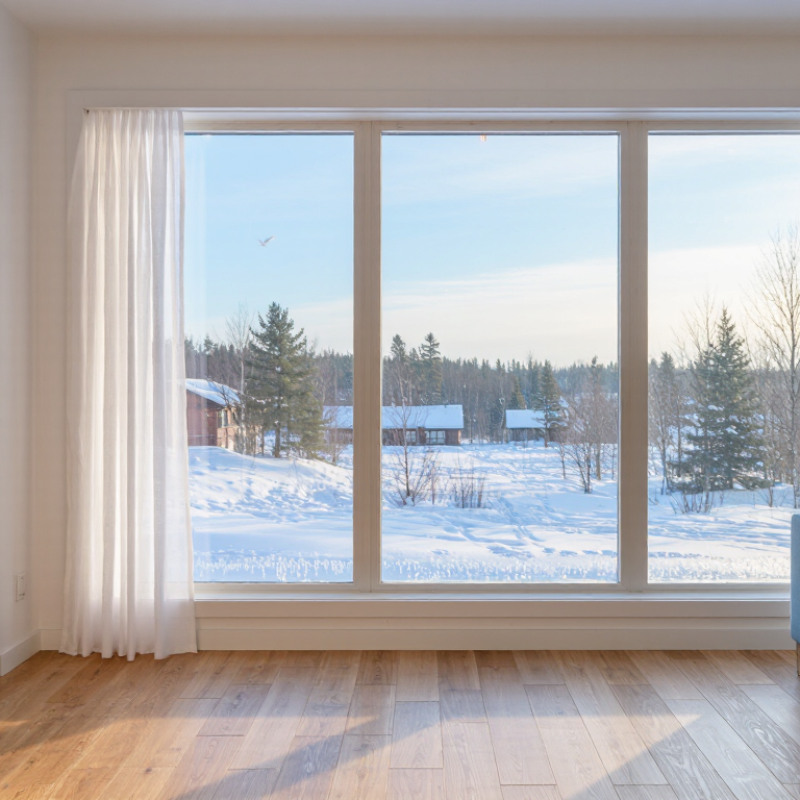
Before choosing doors and windows in Nepean, note what each opening needs to do. A south-facing living room may need glare control, while a shaded bedroom may benefit from more daylight. For each room, consider privacy, ventilation, noise, and ease of operation. Small details matter. A window above a kitchen sink should be simple to reach and clean.
Measure existing frames, but do not assume those numbers are the final order sizes. Record width and height in several places, and note whether the opening is square. A qualified installer can confirm the measurements and identify issues hidden by trim. That check can prevent costly surprises. Nepean’s cold winters and warm, humid summers also make comfort and air leakage worth discussing. Ask how the proposed products suit the home’s exposure and existing insulation.
For doors, think about daily use: a busy back entrance may need a durable surface and room for muddy boots, while a patio door should open without blocking furniture. Check swing direction, threshold height, and clearance before settling on a style. It is easy to focus on appearance and overlook these practical limits. I might still choose a larger window for the view, but I would first consider privacy, heat gain, and how often the room needs shading.

When comparing Nepean doors and windows, consider materials alongside local weather and upkeep. Cold winters and changing temperatures can make drafts noticeable around frames. Vinyl is often low-maintenance, while fiberglass can offer a sturdy option with limited expansion. Wood has a warm, traditional look, but it usually needs more regular care. No material wins every time. Think about where each unit will go, how much maintenance you can manage, and whether the finish suits your home. A wide patio door may brighten a living room, but check its frame and seals carefully.
Styles affect comfort and everyday use, too. Casement windows can open wide for ventilation, while sliding units may suit areas with limited clearance. For energy performance, compare the U-factor and Energy Rating shown on product labels; lower U-factors generally indicate better insulation, while a higher Energy Rating is typically preferable. Check that you are comparing the same ratings and product sizes. Small details matter. Look for tight weatherstripping and well-fitted locks, then ask how installation gaps will be sealed. A high-rated window can still disappoint if it is poorly installed. It is easy to focus on the glass and overlook the frame; I would not ignore it.
Buying doors and windows for a Nepean home starts with measurements, not catalogue sizes. Measure each opening at the top, middle, and bottom, then compare both diagonals. Older brick openings may be out of square, and a few millimetres can affect fit. Record wall depth, including interior finishes and exterior cladding. A tape measure helps, but it cannot reveal every hidden obstruction.
Product ratings and code requirements matter. Natural Resources Canada’s window guidance notes that windows can account for up to 25% of home heat loss. The U.S. Department of Energy estimates that windows contribute about 25–30% of residential heating and cooling energy use. These figures describe broad housing stock, not guaranteed savings for one home. Compare energy ratings, then check current Ontario Building Code requirements and local permit rules for energy performance, safety glazing, egress, and installation. Requirements may depend on the opening and renovation scope.
Compatibility is easy to overlook. Match frame depth to the wall, and confirm that sill flashing can drain outward behind the cladding. Check door swing, threshold height, screen clearance, and hardware before ordering. In an Ottawa winter, a poorly sealed sill can create a noticeable draft; efficient glass will not fix poor flashing. Ask the installer to document the rough-opening measurements and product ratings. If the opening remains uncertain, remeasure after removing interior trim. It takes extra time, but can prevent an expensive mismatch.
Example opening measurements (inches): Measure the width at the top, middle, and bottom, and the height at the left, center, and right. These illustrative readings show why checking several points matters: use the smallest width and height when comparing an opening with a product’s installation requirements. Confirm those requirements and applicable local building codes before ordering.
When comparing quotes for Nepean doors and windows, check that each covers the same work. One price may include removal and disposal; another may leave old frames stacked by the driveway. Look for exact sizes, frame materials, glazing, hardware, finishing, and taxes. Ask whether measurements are final or preliminary, and request a written explanation of anything marked as an allowance. Small omissions can change the total.
Compare the installation plan, not just the product price. Who will protect floors, seal around frames, and repair interior trim? Ask how many days the work should take and whether all openings will be completed together. A clear schedule helps you plan around room access, pets, and deliveries. Ask how weather or delayed materials could affect the date, and who will update you. Get warranty details and cleanup expectations in writing. It is easy to focus on the lowest number; that can be a mistake. I would still double-check the fine print, even when a quote looks unusually clear.
| Tip | What to Evaluate | Questions to Ask | Practical Check |
|---|---|---|---|
| 1 | Compare itemized quotes | Does the written quote list each window or door, its size, operation type, glazing, hardware, and price? | Compare quotes for the same openings and specifications. Ask for separate amounts for products, installation, disposal, and applicable taxes. |
| 2 | Check performance details | Are energy-performance ratings, glass options, frame material, and air- and water-resistance details documented? | Request product documentation and compare equivalent configurations. Energy performance can vary with glazing, frame, size, and operating style. |
| 3 | Clarify installation scope | Does the price include measurement, removal of existing units, flashing, insulation, sealing, interior or exterior trim, and cleanup? | Ask what is excluded and how concealed damage, such as rot around an opening, will be assessed and priced before additional work begins. |
| 4 | Verify the installer | Who will perform the work, who supervises the crew, and what training, insurance, and workmanship coverage apply? | Get the installer’s responsibilities and workmanship warranty in writing. Confirm that the proposed installation method suits the existing openings. |
| 5 | Get a realistic schedule | When will final measurements, ordering, delivery, and installation take place? What could delay the work? | Made-to-order products can take several weeks or longer to arrive; confirm the current lead time for your selected products and season in writing. |
| 6 | Review warranties and service | What coverage applies to the product, glass, hardware, labour, and installation? How are service requests handled? | Check warranty duration, exclusions, transferability, and claim procedures. Confirm whether labour and call-out costs are covered. |
| 7 | Understand payment and changes | What deposit and progress payments are required, and how are delays, cancellations, or changes to the scope handled? | Use a signed contract that records the total price, payment milestones, estimated dates, change-order process, and completion criteria. |
Lead times and project costs vary by product configuration, supplier availability, site conditions, and season. Confirm current details in a written quote before committing.
When comparing doors and windows in Nepean, read the warranty before focusing on the price. Check how long the frame, glass, hardware, and installation are covered. These may have different terms. Look for exclusions involving condensation, poor maintenance, or adjustments after installation. Ask how to submit a claim and who handles it. A warranty sounds reassuring, but vague wording can make it hard to use.
Tip: Request a sample maintenance schedule. Ask how often tracks, seals, and hinges need attention, and which cleaners are suitable. Nepean’s seasonal temperature changes can make regular checks worthwhile. A soft brush can clear grit from sliding-door tracks, while a quick seal inspection may reveal gaps early. Small tasks matter. I might still overlook a check during a busy month, so choose products with care needs you can realistically manage.
A supplier’s reputation deserves more than a quick online rating. Ask for recent local references and whether the supplier also arranges installation. Find out who measures the openings and how errors are resolved. Request an itemised quote, including removal, finishing, and disposal if applicable. Clear answers are useful evidence; pressure to decide immediately is not. Compare details carefully, since a lower quote may leave out important work.
Call us one of our 3 offices across Ontario, Canada
Thanks for contacting us!
We'll get back to you as soon as possible.