What Are the Top Types of Residential Windows?
What are the top types of residential windows? The right choice depends on how a room is used, where the window faces, and how much ventilation you need. A sunny living room may benefit from a fixed picture window, while a compact kitchen may work better with an awning window. Looks matter. So do cleaning access and hardware.
Performance deserves equal attention. The U.S. Department of Energy’s Energy Saver guidance estimates that heat gain and loss through windows account for 25%–30% of residential heating and cooling energy use. The figure is a reminder, not a promise: actual results depend on climate, glass, frame, installation, and home conditions. Building-science expert Joseph Lstiburek, Ph.D., puts the design challenge bluntly: “Windows are holes in the wall.” That practical perspective helps explain why style alone cannot determine a good choice.
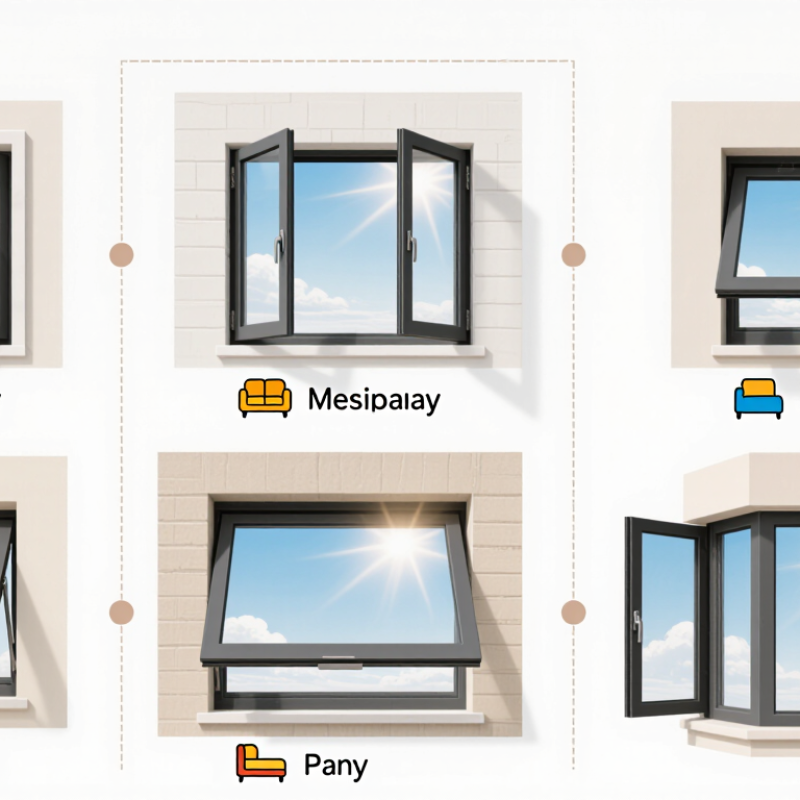
This guide compares double-hung, casement, sliding, awning, picture, and bay or bow windows. Each type balances airflow, view, maintenance, and cost differently. Casement units open wide for ventilation; sliders need little clearance; picture windows offer broad views but do not open. And bigger is not always better. A large glass area can brighten a room, yet may also increase heat gain or loss if its specifications and placement are poorly matched. Use the comparisons as a starting point, then check performance ratings and installation details for your home.
What Residential Windows Are and How They Are Classified
Residential windows are glazed openings in exterior walls or roofs. They separate indoor spaces from weather while admitting daylight. Operable windows also provide ventilation. Classification often starts with how a window opens: fixed units stay closed, while operable units use hinges, tracks, or pivots. Common types include casement, awning, sliding, single-hung, and double-hung. Some are fixed. A picture window can frame a cedar fence without letting in a breeze; a casement may catch one, but needs room to open.
Windows are also classified by frame material, glazing, and performance. Frames may be wood, vinyl, aluminum, or composite. Glazing may be single-, double-, or triple-pane, with coatings or gas fills between panes. The U.S. Department of Energy’s Energy Saver guidance estimates that windows account for 25–30% of residential heating and cooling energy use. That matters. The National Fenestration Rating Council’s rating framework reports U-factor and solar heat-gain coefficient (SHGC), helping people compare heat transfer and solar heat admitted. Lower values are not always preferable; climate and orientation affect what works. A taxonomy has limits, too: installation and exposure can shift real-world performance. A rating label cannot reveal every draft.
What Are the Top Types of Residential Windows? – What Residential Windows Are and How They Are Classified
Residential windows can be classified by how they open, their frame configuration, and whether they provide ventilation. The table compares common types and summarizes their typical uses and practical considerations.
| Window type |
How it operates |
Ventilation |
Common advantages |
Typical considerations |
| Single-hung |
The lower sash slides vertically; the upper sash is fixed. |
Opens at the bottom. |
Simple operation and a familiar, space-saving design. |
Only one sash opens, so airflow and access for cleaning may be more limited than with a double-hung window. |
| Double-hung |
Both the upper and lower sashes slide vertically, depending on the model. |
Can open at the top, bottom, or both. |
Offers flexible airflow; many models tilt inward for easier cleaning. |
The opening area is generally smaller than the full window frame. |
| Casement |
A hinged sash swings outward, usually operated with a crank. |
Opens broadly; the sash can help catch breezes. |
Provides a wide opening and can close firmly against weatherstripping. |
The outward swing needs clearance from walkways, landscaping, or other obstacles. |
| Awning |
A top-hinged sash swings outward from the bottom. |
Allows ventilation through a partially sheltered opening. |
Can admit fresh air during light rain when properly installed. |
The projecting sash may obstruct exterior space; it is often used in smaller openings or above other windows. |
| Sliding |
One or more sashes move horizontally along tracks. |
Usually opens on one side of the frame. |
Does not project inward or outward and is easy to operate. |
Tracks need periodic cleaning; the openable area is commonly about half the window width. |
| Fixed (picture) |
The glazed sash does not open. |
None; ventilation must come from another opening. |
Provides an unobstructed view and can be made in large sizes. |
Does not provide fresh-air ventilation and may require exterior access for cleaning. |
| Bay |
A projecting assembly typically combines a large central window with angled side windows. |
Depends on whether the side or center units are operable. |
Extends outward from the wall, adding interior space and broad views. |
Requires structural support and careful weatherproofing at the projecting section. |
| Bow |
A curved assembly of several window units projects outward from the wall. |
Depends on the number and configuration of operable units. |
Creates a curved panoramic view and brings in light from multiple directions. |
Usually needs adequate wall space, support, and a larger installation budget than a simple window unit. |
Note: Actual performance depends on the complete window assembly, glazing, installation quality, and local climate. Check applicable building and egress requirements when selecting window types.
Fixed and Operable Window Designs
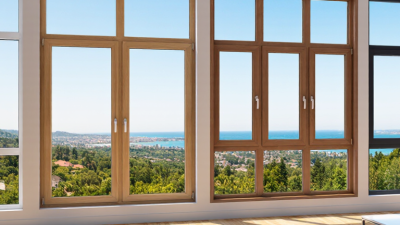
Fixed and operable windows serve different needs. A fixed picture window cannot open, but its simple frame can limit air leakage when properly installed. It suits a living room where daylight and an uninterrupted view matter more than ventilation. Keep cleaning access in mind, especially for large panes above a staircase.
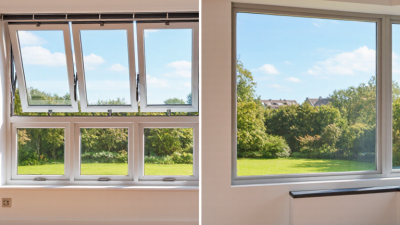
Operable designs include casement, awning, sliding, and double-hung windows. Casements crank outward to catch breezes; double-hung sashes slide vertically and can open from the top or bottom. A small detail matters: screens, furniture, and nearby shrubs can limit how comfortably a window opens. An open sash is not useful if a bed blocks it.
The U.S. Department of Energy estimates that windows account for 25%–30% of residential heating and cooling energy use (Energy Saver, “Update or Replace Windows”). That figure is not a prediction for every home; climate, orientation, glazing, and installation all affect performance. The National Fenestration Rating Council’s labels help compare U-factor and solar heat gain coefficient across products. I would not choose by rating alone, though. A tightly sealed fixed window may reduce drafts, but ventilation still needs planning. A practical mix often pairs fixed glass for views with operable windows where fresh air is needed.
Common Residential Window Types: Fixed and Operable Designs
Typical number of movable sashes in common window configurations
Fixed windows do not open. Single-hung, sliding, casement, and awning windows typically have one movable sash; double-hung windows typically have two. Configurations can vary by unit.
The Main Types of Residential Windows
The Main Types of Residential Windows
Residential windows differ in how they open, ventilate, and frame a view. Double-hung windows have two movable sashes, making them useful in rooms where flexible airflow matters. They are also practical to clean when both sashes tilt inward. Casement windows swing outward on hinges and can catch a breeze from the side. Check nearby walkways and shrubs before choosing them; an open sash needs space.
Sliding windows move horizontally, so they suit wide openings and avoid projecting into patios. Awning windows hinge at the top and open outward, allowing modest ventilation during light rain. Picture windows do not open, but their broad, uninterrupted glass can brighten a living room. Bay and bow windows extend beyond the wall, creating a deeper ledge and a more expansive view. They may require careful planning around furniture and exterior structure.
There is no single best type for every room. A bedroom may benefit from an operable window, while a quiet sitting area might prioritize glass area. Consider the direction of sunlight, the reach needed for cleaning, and how easily each sash locks. Small details matter. A window that looks ideal on a sample may feel awkward above a deep sink. Measuring the opening and considering daily use can prevent that mismatch.
How Window Types Differ in Light, Ventilation, and Space
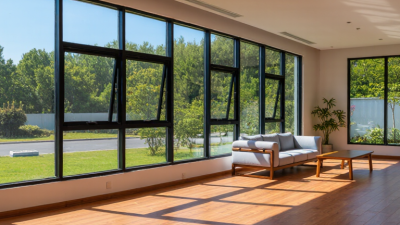
Window type changes how daylight enters, how air moves, and how much wall space remains usable. Fixed windows bring in light but do not open for ventilation. They work well beside an operable window, especially where a clear view matters more than airflow. A broad fixed pane can brighten a dim stair landing, though glare may become an issue on sunny afternoons.
Casement windows swing outward and can catch breezes from the side. Check exterior clearance before choosing them near walkways or shrubs. Double-hung windows open at the top, bottom, or both, giving flexible airflow without projecting into a patio. Sliding windows also stay within the frame, which can suit a narrow balcony. Their openings, however, are limited to part of the overall window width. That matters.
Bay windows extend outward, making room for a seat or shelf and drawing light from more than one direction. They also take up exterior and interior space, so measure carefully. In a compact bedroom, a sliding or double-hung window may preserve furniture placement better. A room’s orientation, nearby buildings, and screen type can change how bright or breezy it feels. Window style alone cannot promise a comfortable result.
Factors to Consider When Choosing a Window Type
Choosing a residential window starts with the room, not a catalog.
A double-hung window suits many bedrooms because both sashes move, making ventilation easier to adjust. Casement windows open outward and can catch breezes, but nearby shrubs or walkways may limit their swing. Sliding windows need little clearance, though their tracks can collect dust and grit. No style wins everywhere.
Check how each room faces the sun and prevailing wind. A west-facing window may need shading to reduce afternoon heat and glare. In rainy or windy locations, ask a qualified installer about water management, air leakage, and suitable opening styles. Frame material, glass performance, and installation quality affect comfort as much as shape. Compare whole-window energy ratings, not just glass claims. Budget for upkeep, too: wood may need periodic coating, while every frame needs cleaning and seal checks. It is tempting to choose by appearance alone; that can be an expensive oversight.
Tips: Open and close the window before buying, if possible. Check that screens are removable and locks are easy to reach. Measure twice. A small mismatch can leave a persistent draft.



 Get a Free Quote
 See our Doors





 Start your estimate