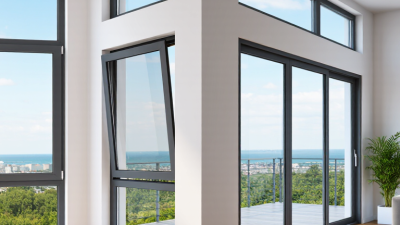
Choosing among residential windows in 2026 is not just a style decision. The right type affects daylight, ventilation, comfort, noise, and energy use. A broad picture comes from the U.S. Department of Energy: heat gain and loss through windows account for about 25%–30% of residential heating and cooling energy use. That figure is a useful warning, not a promise that replacing every window will deliver the same savings.
The ENERGY STAR program offers a second benchmark. Its guidance says certified replacement windows can help homeowners save about 7%–15% on energy bills, depending on the home and the products replaced. Performance labels matter, but so do frame condition, installation, climate, and the way each room is used. Small details matter. Building scientist Joseph Lstiburek’s memorable caution—“Windows are for people, not energy efficiency”—is a helpful counterweight to spec-sheet thinking. A window should perform well, but it should also suit the room: a casement window may catch a breeze, while a picture window can frame a view without opening.
This guide compares popular residential window types, including double-hung, casement, sliding, awning, picture, and bay styles. It looks at practical trade-offs in operation, upkeep, appearance, and efficiency. No single type wins every home. Not every house agrees. That is worth remembering when comparing options, because a well-chosen window can still disappoint if it is poorly sized or installed.
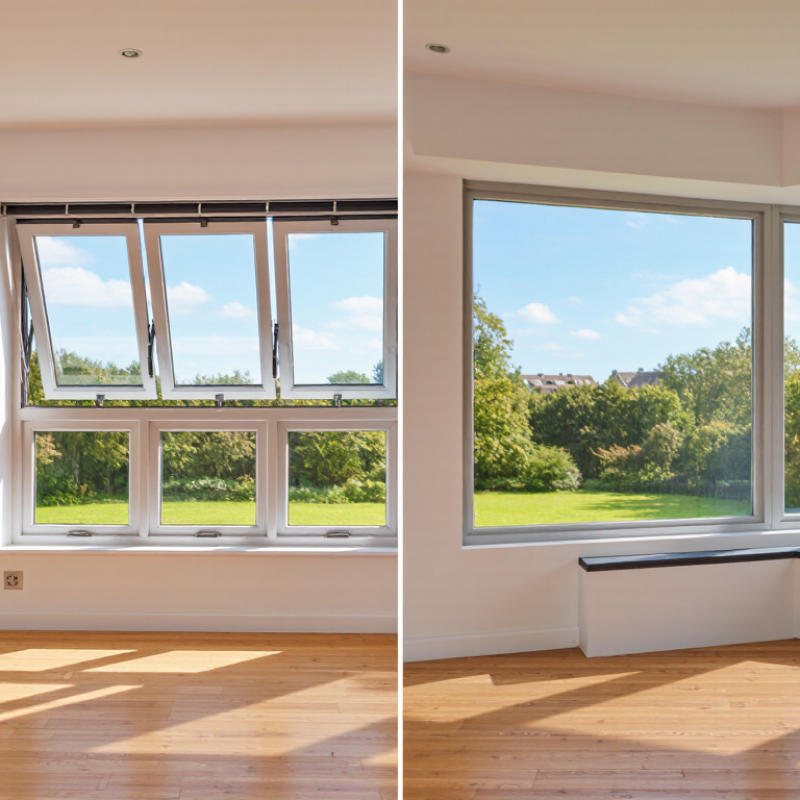
Residential windows are commonly classified by how they open, what they are made from, and how their glass is arranged. Operation is often the clearest starting point. A casement window swings outward on side hinges, while a double-hung unit has two vertically moving sashes. Sliding windows move horizontally; fixed windows do not open. That distinction matters. It affects ventilation, cleaning access, and where furniture can sit.
A second group describes frame material, such as wood, vinyl, aluminum, or fiberglass. Each brings different maintenance needs and thermal behavior, so material alone does not define performance. Look at the complete assembly, including seals, frame chambers, and installation quality. Glass is classified separately by pane count, coatings, and gas-filled spaces. Double- or triple-pane glazing can reduce heat transfer, though results depend on climate and workmanship.
Windows can also be grouped by shape or placement: awning, bay, picture, and roof windows are common examples. These labels sometimes overlap. A bay window may combine fixed and operable sections, for instance. Classification is useful, but it can oversimplify a real window. For a practical comparison, identify operation, frame, glazing, and configuration. Measure the opening and note exposure to wind, sun, and rain. That part is easy to overlook.
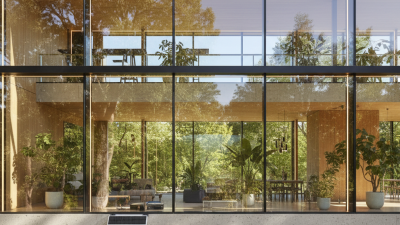
Choosing a window is about more than appearance. Casement windows open outward and can catch breezes, while double-hung windows let you open either sash. Sliders suit wide openings and are easy to operate, but their tracks need regular cleaning. Fixed windows provide daylight without opening, so they work best where ventilation is not needed. Compare whole-window energy ratings, air leakage, glass options, and frame materials—not just the glass. A strong rating matters, but local climate and installation quality matter too.
Tips: Check labels for comparable performance figures. Ask how the window will seal against your existing wall. Measure the opening twice. Small errors can become expensive drafts.
Think about daily use. A hard-to-reach window may be awkward to clean, and a window above a sink should be simple to operate. For sunny rooms, consider how solar heat gain and glare affect comfort. In colder areas, look closely at insulation and air sealing; in warmer areas, shading and solar control may matter more. I have seen people focus on frame color first, then discover the hardware feels clumsy. That is an easy detail to miss. Test the locks and handles, and ask what maintenance the chosen frame needs over time.
Residential window types differ in ventilation, operation, cleaning, and the space they need. Double-hung windows have two sliding sashes, so you can open the top, bottom, or both. They suit many bedrooms and older-style homes, though their tracks can collect dust. Single-hung models look similar, but only the lower sash moves. A small difference matters when airflow is limited.
Casement windows hinge at the side and open outward with a crank. Their broad opening can catch breezes, but nearby shrubs or walkways may restrict the sash.
Sliding windows move horizontally and work well where outward clearance is tight. They are simple to operate, though usually only part of the frame opens.
Awning windows hinge at the top, allowing some ventilation during light rain. Not a guarantee against water.
Picture windows do not open, but their large panes bring in daylight and frame outdoor views. Bay windows project outward, adding a ledge or seating area, but need more wall space and careful installation.
The best choice depends on room use, local weather, and how often the glass must be cleaned. Energy performance also varies with glazing, seals, and installation quality—not window style alone. It is easy to focus on appearance and overlook those details. A qualified installer can assess the opening and explain the trade-offs.
Room and climate should guide window choice more than appearance. The U.S. Department of Energy estimates that windows account for 25–30% of residential heating and cooling energy use. That makes frame condition, glazing, and installation important—not just the opening style.
Casement windows crank outward and can catch breezes in kitchens or bedrooms. Their compression seals may limit drafts when closed, though poor installation can undermine that advantage. Awning windows suit bathrooms because they can admit air during light rain. Double-hung windows allow controlled airflow and are practical where exterior access is difficult. Fixed picture windows suit living rooms with a view, but they do not ventilate. A mix often works better than one style everywhere. Not perfectly tidy.
Climate changes the glass priorities. In hot, sunny regions, lower solar heat gain can reduce unwanted warmth; in colder regions, a higher solar heat gain may help capture winter sun. The Department of Energy recommends comparing these properties alongside U-factor, which indicates heat flow. The National Fenestration Rating Council’s ratings make those values easier to compare across products. Check the room’s orientation, too: a west-facing window may need more shading than a shaded north-facing one. Local weather varies, and these guidelines are not a substitute for evaluating the actual home.
| Window Type | How It Opens | Rooms It Often Suits | Climate and Exposure Considerations | Key Advantages | Points to Consider |
|---|---|---|---|---|---|
| Casement | Hinged at the side and opens outward with a crank. | Kitchens, bedrooms, and living areas where controllable ventilation is useful. | Can catch breezes when oriented toward prevailing winds. In exposed locations, check that the sash and hardware are suitable for local wind conditions. | Opens widely and typically closes against the frame, creating a tight seal when properly installed and maintained. | Requires exterior clearance; screens are generally fitted on the inside. |
| Double-Hung | Upper and lower sashes slide vertically; some models tilt inward for cleaning. | Bedrooms, living rooms, and traditional home designs. | Works in a broad range of climates when selected with appropriate glazing and weather seals. Opening both sashes can support natural air circulation. | Does not project outward, making it practical beside walkways, patios, or landscaping. | Ventilation opening is limited to the sash area; performance depends on the quality and condition of seals and balance hardware. |
| Single-Hung | Lower sash slides upward; upper sash remains fixed. | Bedrooms, hallways, and other areas needing straightforward ventilation. | Can be used in many climates; suitable glazing and careful installation matter more than the operating style alone. | Simple operation and fewer moving parts than many other operable window designs. | Only the lower portion opens, so ventilation options are more limited than with a double-hung window. |
| Sliding | One or more sashes move horizontally along a track. | Wide wall openings, living rooms, and rooms with limited exterior clearance. | Useful where an outward-opening sash could be obstructed. Tracks should be kept clean so the sash moves and drains properly. | Easy to operate and does not swing into or out of the room. | Usually only part of the total window area opens; track maintenance and weather sealing are important. |
| Awning | Hinged at the top and opens outward from the bottom. | Bathrooms, kitchens, and areas where privacy or higher-level ventilation is desired. | Can allow ventilation during light rain when the opening is appropriately sheltered. Not a substitute for protection from severe wind-driven rain. | Directs airflow upward and can be positioned above eye level. | May obstruct exterior walkways when open; screens are typically installed inside. |
| Fixed (Picture) | Does not open. | Living rooms, stairwells, and locations chosen for a broad outdoor view or daylight. | Often useful in very cold, hot, or windy exposures because there are no operable joints, though the overall result still depends on glazing, frame, and installation. | Provides daylight and views without an operating sash; can be combined with operable windows. | Provides no direct ventilation and may require special access for exterior cleaning. |
| Bay or Bow | Projects outward from the wall; the assembly may include fixed and operable windows. | Living rooms, dining areas, and spaces where a projecting seat or wider view is desired. | Consider local wind exposure, roof or flashing details, and solar heat gain. Shading can help manage strong sun. | Creates a wider viewing angle and can bring daylight from more than one direction. | Needs careful structural support, weatherproofing, and installation; typically costs more than a simple flat window. |
Choosing a window starts with the room, not the catalogue. A kitchen above a sink may benefit from a crank-operated casement window, which opens outward for ventilation. Double-hung windows suit bedrooms where vertical openings are familiar and easy to clean. Sliding windows work well beside patios, though their tracks need regular cleaning. Awning windows can bring in air during light rain. Fixed windows offer clear views but do not ventilate. Small details matter.
Compare performance labels, local climate, and installation quality. The U.S. Department of Energy estimates that heat gain and loss through windows account for 25–30% of residential heating and cooling energy use. ENERGY STAR says replacing single-pane windows with certified models can lower energy bills by an average of 12%; actual savings vary by home.
Check the National Fenestration Rating Council label for U-factor and solar heat gain coefficient, then compare options for your climate and window orientation. A sunny south-facing room may need different solar control than a shaded hallway.
I would not choose by appearance alone; that is easy to regret. Measure the existing opening carefully, and ask an experienced installer how the frame, flashing, and insulation will be handled. A highly rated window can still perform poorly if fitted badly.
Call us one of our 3 offices across Ontario, Canada
Thanks for contacting us!
We'll get back to you as soon as possible.