Top 10 Outdoor Windows for Your Home Improvement Projects?
Outdoor windows play a crucial role in home improvement projects, enhancing both aesthetics and functionality. According to the National Association of Home Builders, nearly 60% of homeowners prioritize natural light when choosing windows, highlighting the importance of outdoor windows. They not only add value but also improve energy efficiency, which is essential in today’s eco-conscious market.
Homeowners are increasingly drawn to designs that blend indoor and outdoor living. A report from the American Institute of Architects noted a 25% increase in demand for large outdoor windows in recent years. These windows provide breathtaking views and create an inviting atmosphere, but they require careful consideration. Homeowners might face challenges such as insulation and maintenance.
Investing in outdoor windows is not without its hurdles. Weather exposure can lead to wear, and not all materials are equally durable. Selecting the right windows involves understanding your home's style and geographic location. It's essential to choose quality over cost to ensure longevity and effectiveness in your home improvement efforts.
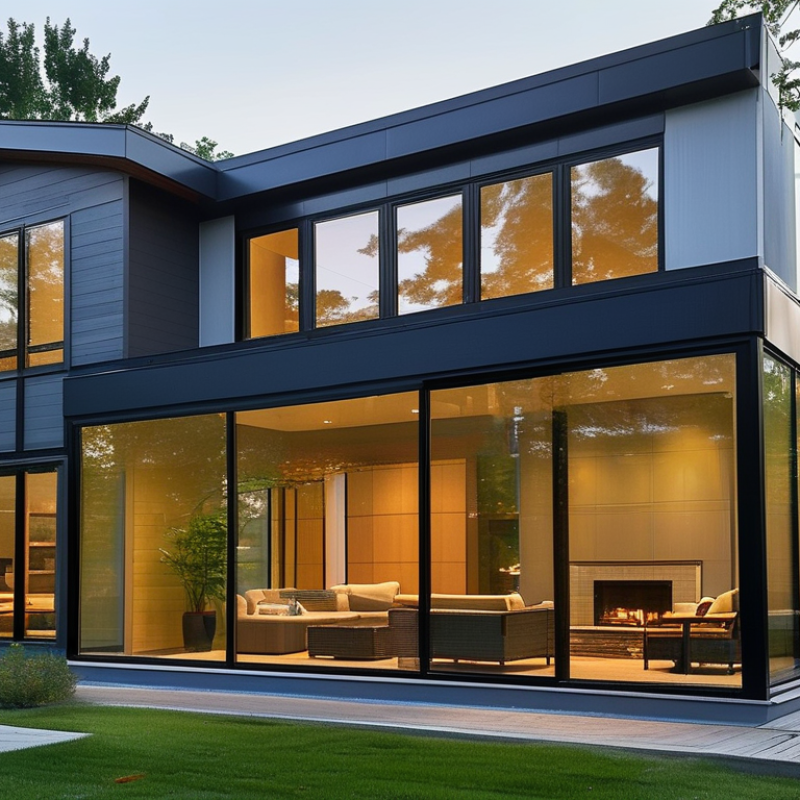
Understanding Different Types of Outdoor Windows for Home Projects
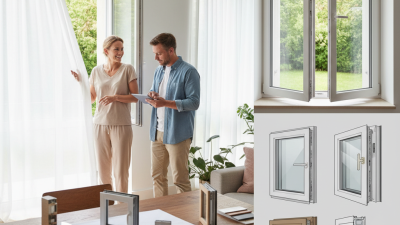
When planning outdoor windows for home improvement, it's crucial to understand your options. Different types of outdoor windows serve various purposes. For instance, casement windows are hinged at the side and open outward. They provide excellent ventilation and unobstructed views. Sliding windows, on the other hand, glide horizontally and are easy to operate, perfect for spaces with limited room.
Consider the climate when selecting windows. Some materials perform better in extreme weather. Vinyl windows resist moisture and are low maintenance. Wood windows offer classic beauty but require regular upkeep. While energy-efficient options may have a higher upfront cost, they can save money over time through lower utility bills.
Tips for choosing windows: Think about your home's architectural style. Some windows work better with certain designs. Measure carefully; poorly fitting windows can lead to drafts and discomfort. Do research on installation methods. Hiring a professional may ensure a lasting fit, but a DIY approach can save money. Just be aware of the skills needed and potential pitfalls. Balancing aesthetics and function is key in enhancing your home’s appeal.
Top 10 Outdoor Windows for Your Home Improvement Projects
Key Features to Consider When Choosing Outdoor Windows
When selecting outdoor windows for home improvement, key features must be carefully considered. Energy efficiency stands out as a leading concern. According to the U.S. Department of Energy, homes can lose 30% of their energy through windows. Look for windows with low U-value and Solar Heat Gain Coefficient (SHGC) ratings. Windows with energy-efficient glazing can significantly reduce heating and cooling costs. These features ensure comfort and savings in the long run.
Durability is another essential factor. Outdoor windows face harsh weather conditions. Materials such as fiberglass, wood-clad, and vinyl offer varying degrees of resistance. The lifespan of windows can vary widely. Industry reports suggest that vinyl windows typically last between 20 to 40 years, while wood can require more maintenance. Regular inspections and possible repairs might be needed, even with high-quality windows.
The aesthetic appeal of outdoor windows can greatly enhance curb appeal. Styles vary from contemporary to traditional. Choose designs that complement your home’s architecture. A focus on symmetry can improve visual interest. However, striking a balance between aesthetics and functionality is crucial. This often requires careful consideration of personal preferences and neighborhood standards.
Top Materials for Building Durable Outdoor Windows
When selecting materials for outdoor windows, durability is crucial. Vinyl and fiberglass are popular choices known for their long-lasting characteristics. According to the Vinyl Siding Institute, vinyl windows can last over 30 years with minimal maintenance. They resist fading, cracking, and warping, making them ideal for various climates.
Wood windows offer aesthetic appeal but often require more upkeep. A 2021 study by the American Wood Council highlighted that wood windows, while beautiful, might only last around 20 years if not properly maintained. Homeowners should consider their commitment to maintenance when choosing this option.
Aluminum windows are renowned for their strength and lightweight nature. They often have a lifespan of 30-40 years, according to the American Architectural Manufacturers Association. However, they may conduct heat poorly, leading to energy inefficiencies. Balancing these materials' pros and cons can be challenging. Every homeowner should reflect on their priorities for insulation, design, and durability before making a choice.
Popular Styles of Outdoor Windows for Aesthetic Appeal
When it comes to enhancing your home's exterior, outdoor windows play a crucial role. They not only offer light and ventilation but also elevate your home's aesthetic charm. Different styles can dramatically transform the look and feel of your property. Picture a classic double-hung window. Its traditional design adds elegance, while allowing for easy cleaning. Consider the allure of modern casement windows. They open outward and provide unobstructed views of the outside.
Another popular option is sliding windows. These are perfect for smaller spaces. They create a sleek, contemporary look. However, they can sometimes make a room feel cramped if used improperly. Always ensure your chosen style complements your home’s architecture. You may find that what looks good in theory does not work in practice. Evaluate how each window type interacts with light throughout the day. Reflect on how different frames, colors, and materials can impact your home's harmony.
Don't overlook the practical aspects as well. Some window styles offer better insulation than others. This can lead to lower energy bills. You'll want to balance aesthetics with efficiency. Ultimately, understanding the unique characteristics of outdoor windows can help shape your home improvement project. It’s about finding what resonates most with your personal style while meeting functional needs.
Top 10 Outdoor Windows for Your Home Improvement Projects
| Window Style |
Material |
Energy Efficiency Rating |
Aesthetic Appeal |
Approx. Cost ($) |
| Casement Windows |
Vinyl |
A+ |
Modern and Sleek |
300-500 |
| Double-Hung Windows |
Wood |
B |
Classic and Timeless |
400-700 |
| Sliding Windows |
Aluminum |
A |
Contemporary and Clean |
350-600 |
| Awning Windows |
Fiberglass |
A+ |
Unique and Functional |
350-650 |
| Bay Windows |
Wood |
B+ |
Elegant and Expansive |
800-1500 |
| Picture Windows |
Vinyl |
A+ |
Stunning Views |
400-900 |
| Grid Windows |
Fiberglass |
B |
Traditional and Charming |
500-800 |
| Skylight Windows |
Glass |
A |
Brightening |
600-1200 |
| Transom Windows |
Vinyl |
B+ |
Stylish and Supplementary |
150-300 |
| Sliding Glass Doors |
Aluminum |
B+ |
Open and Airy |
700-1200 |
Installation Tips for Outdoor Windows in Home Improvement Projects
Installing outdoor windows is a critical step in any home improvement project. Choosing the right style and materials can enhance energy efficiency and overall aesthetic. According to the U.S. Department of Energy, windows can account for up to 30% of a home's energy usage. Proper installation can minimize this loss, making it a worthwhile investment.
Be mindful of the insulation. Invest in high-quality window insulation features. Gaps in the installation can lead to drafts and water leaks. A study from the National Association of Home Builders states that improper window installations can reduce energy efficiency by almost 50%. Ensure the frame is level and square during installation.
Proper sealing is essential for longevity. Use a high-grade caulk and weather stripping. This will protect against moisture and create a comfortable indoor environment. Regular maintenance checks are necessary to detect any wear or damage early on. Unexpected issues may arise, so always be ready to adapt your installation approach.









 Get a Free Quote
 See our Doors





 Start your estimate