How to Choose Large Windows for Your Home Design Needs?

Choosing large windows is a significant decision in home design. They enhance natural light and streamline your view of the outdoors. According to the American Institute of Architects, homes with large windows have seen an increase in energy efficiency by approximately 30%. This trend reflects growing consumer demand for sustainable living spaces.

Large windows not only provide aesthetic appeal but also improve indoor air quality. A report from the National Fenestration Rating Council indicates that proper window selection can reduce heating and cooling costs by 25%. However, challenges arise when selecting the right style, size, and materials. Homeowners must consider local weather conditions and energy efficiency ratings.

Investing in large windows can sometimes feel overwhelming. It’s crucial to explore various design options and their impact on your living space. Mistakes can lead to issues like inadequate insulation or maintenance difficulties. Engaging with experienced designers can offer valuable insight. This approach helps ensure that large windows meet your home's design needs while providing lasting benefits.
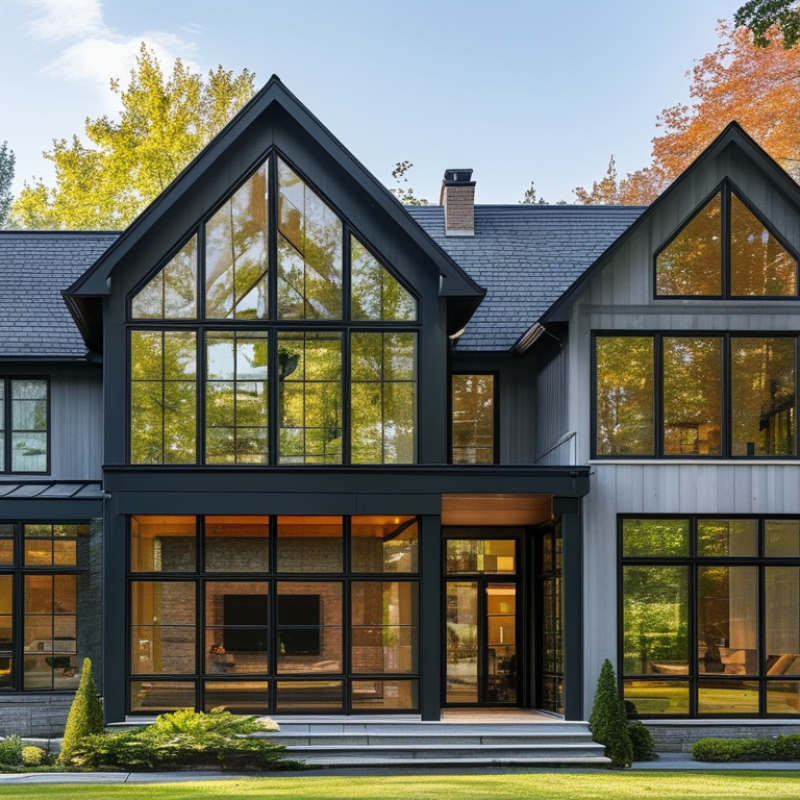
How to Choose Large Windows for Your Home Design Needs?

Understanding the Benefits of Large Windows in Home Design

Large windows can transform a home. They bring in natural light and create a sense of openness. This can enhance the aesthetic appeal of your living spaces. When you choose larger windows, consider how they interact with the surrounding environment. They can frame beautiful views and connect indoor and outdoor spaces seamlessly.

In addition to beauty, large windows improve energy efficiency. When strategically placed, they can reduce reliance on artificial lighting. This not only lowers energy costs but also supports sustainable living. However, it’s important to reflect on privacy concerns. Large windows can expose your interiors to the outside. You may need to incorporate some elements for privacy, such as window treatments or strategically placed landscaping.

Furthermore, large windows can impact the room's temperature. They invite heat during summer but can also let in cold drafts during winter. Considering factors like glazing options and placement is crucial. Finding a balance between aesthetics and practicality is an ongoing challenge for many homeowners. Thoughtful decisions can lead to a home that feels spacious and serene.
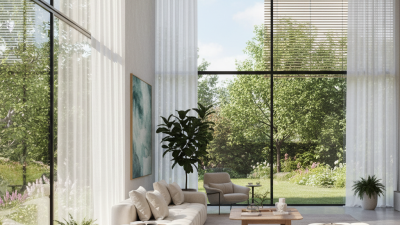
Benefits of Large Windows in Home Design

Key Factors to Consider When Choosing Large Windows

When selecting large windows, several key factors come into play. The first consideration is size and scale. Large windows can make a space feel expansive. However, they must fit harmoniously with the overall architecture of the home. Choose dimensions that do not overwhelm the room or clash with other design elements. A well-proportioned window can elevate aesthetics.

Another critical factor is energy efficiency. Large windows can let in a lot of heat. Look for options with good insulation properties. Double or triple-pane glass can minimize energy loss. Consider window placement, too. South-facing windows can harness sunlight, while others may require shading solutions to prevent overheating.

Safety is also vital. Ensure that the windows are made from durable materials. Tempered glass is a good choice for large windows, especially in homes with children or pets. Think about the locking mechanisms and how secure they are. A beautiful window should also be a safe window. Balancing beauty and practicality can be challenging. Each decision carries weight, and reflecting on these aspects helps cultivate a better environment.

Different Styles of Large Windows and Their Aesthetic Impact

When choosing large windows for your home design, style and aesthetics play a crucial role. Opting for expansive glass panels can enhance natural light within your living spaces. According to a 2022 report by The American Institute of Architects, oversized windows boost the appeal of residential properties. Homes with large windows can yield up to a 15% increase in value compared to those with smaller ones.

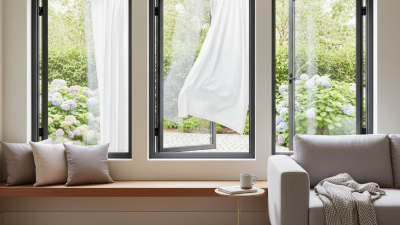
Various styles of large windows exist. Picture windows offer unobstructed views but lack ventilation flexibility. Casement windows can swing open, providing airflow and a different visual aesthetic. The design choice impacts how light enters a room and how the space feels overall. Large bay or bow windows create cozy nooks, further enhancing a room’s charm. A survey found that homeowners often prefer more natural light, indicating a shift towards larger fenestration options in recent home designs.

However, large windows can pose challenges. They may increase energy costs if not properly treated for insulation. Additionally, privacy can become a concern in densely populated areas. Some homeowners report that large windows can sometimes make rooms feel too exposed. It's essential to weigh these factors carefully while selecting the right windows for your home.

Energy Efficiency and Insulation in Large Window Options

When considering large windows, energy efficiency becomes a crucial factor. A report from the American Council for an Energy-Efficient Economy reveals that windows can significantly impact heating and cooling costs. In fact, poorly insulated windows can lead to energy loss of up to 30%. Selecting windows with high thermal performance ratings is essential for maintaining a consistent indoor temperature.

Insulation technologies, such as double or triple glazing, enhance energy efficiency. Windows with argon-filled spaces between panes are particularly effective. This type of window can reduce heat transfer, ensuring that your home retains warmth during winter. According to the National Fenestration Rating Council, windows with a low U-factor demonstrate superior insulation. These windows maintain your home's energy balance and lower utility bills.

It’s also important to reflect on window placement. South-facing windows can capture solar heat in winter, while strategic overhangs can minimize heat in summer. Consider the climate in your region. What works well in one area may not be suitable in another. Every home is unique, and each design should be tailored to its specific environment and energy goals.

Maintenance Tips for Keeping Large Windows in Optimal Condition

Large windows can transform a home, offering beautiful views and natural light. However, they also require proper maintenance to ensure longevity. According to the American Institute of Architects, homeowners should expect 10% of their renovation budget to go towards window maintenance.

Cleaning large windows is vital. Use a gentle soap solution to avoid streaks. A soft microfiber cloth is ideal. Experts recommend cleaning at least twice a year to prevent grime build-up. Not only does this enhance appearance, but it also boosts energy efficiency.

Inspecting seals and frames is crucial. A study from the Efficient Windows Collaborative indicates that 25% of energy loss in homes occurs through windows. Regularly check for drafts and cracks, which can compromise insulation. Re-caulking or weather stripping may be necessary after a few years. These preventative measures can save on energy bills long term. Remember, addressing these issues early can help you avoid costly repairs down the line.

How to Choose Large Windows for Your Home Design Needs? - Maintenance Tips for Keeping Large Windows in Optimal Condition

Feature Description Maintenance Tips
Size Consider the dimensions that complement your architectural style. Regularly measure to ensure fitting; avoid obstructions.
Material Choose between wood, vinyl, or aluminum based on climate and aesthetics. Inspect seals and frames for wear; clean with suitable products.
Glass Type Select insulating or tempered glass for energy efficiency and safety. Check for cracks and fogging; clean with non-abrasive cleaners.
Opening Style Choose between sliding, casement, or fixed based on ventilation needs. Lubricate hinges and tracks; check for proper functionality.
Energy Efficiency Look for windows with energy ratings to reduce utility bills. Ensure all weather stripping is intact; consider adding window films.