What Are the Best Residential Windows in 2026?

Choosing the best residential windows in 2026 means matching performance to your home, climate, and budget. A window that works well in a mild coastal area may be a poor fit for a cold, windy neighborhood. Start with the basics: frame material, glass type, air leakage, and installation quality. A low-emissivity coating can help manage heat and sunlight, while well-sealed frames can reduce drafts. But even a high-performing window can disappoint if it is installed poorly. Small details matter.

This guide compares popular options, including vinyl, fiberglass, wood, and composite frames. It also explains how double- and triple-pane glass, energy ratings, maintenance needs, and upfront costs affect everyday use. Look for product performance information from recognized certification programs, and check that ratings suit your region. A warm showroom tells you little about winter comfort. Ask for written specifications, warranty terms, and installation details before choosing.

There is no perfect window for every home. Rankings can simplify a decision, but they may hide trade-offs: wood offers a distinctive finish, for example, yet usually needs more upkeep. The practical choice is the one that balances comfort, durability, appearance, and cost in your specific rooms. A careful comparison takes time. It can also reveal that replacing every window at once is not the best plan.
What Are the Best Residential Windows in 2026?

How Residential Windows Are Evaluated in 2026

In 2026, residential windows are evaluated by how well they perform in a specific home, not by one headline rating. A low U-factor can help limit heat loss during cold weather. Solar heat gain ratings matter too, especially on sun-facing rooms. Air leakage tests indicate how tightly a unit closes. Numbers matter. But ratings should be compared under the same test conditions, and checked against the home’s climate and orientation.

Evaluators also consider water resistance, condensation, ease of operation, and frame durability. In a rainy region, careful water testing can matter more than a small efficiency advantage. On a sunny façade, excessive solar gain may make a room uncomfortable, even with excellent insulation. Glass coatings and frame materials affect both performance and maintenance. Small details count, including whether the sash locks smoothly and seals evenly.

Durability testing can reveal how windows respond to repeated opening, changing temperatures, and moisture. Reviewers should look for clear, independently verified performance data and compare it with current regional requirements. Installation deserves equal attention: a well-rated window can still leak if its opening is poorly sealed. A high-performing product is not automatically the right choice for every house. It is easy to overvalue a single score; I would also inspect the sample, ask how it handles local weather, and accept that some trade-offs remain.
What Are the Best Residential Windows in 2026?

How residential windows are evaluated: compare representative U-factors for common glazing types. Lower U-factor means better resistance to heat transfer.

Values are approximate examples, not universal product ratings. Actual performance varies with the frame, glazing, spacer, and gas fill. Check the NFRC label to compare specific windows. Sources: U.S. Department of Energy, Energy Saver; National Fenestration Rating Council (NFRC).

Which Window Styles Suit Different Homes and Rooms

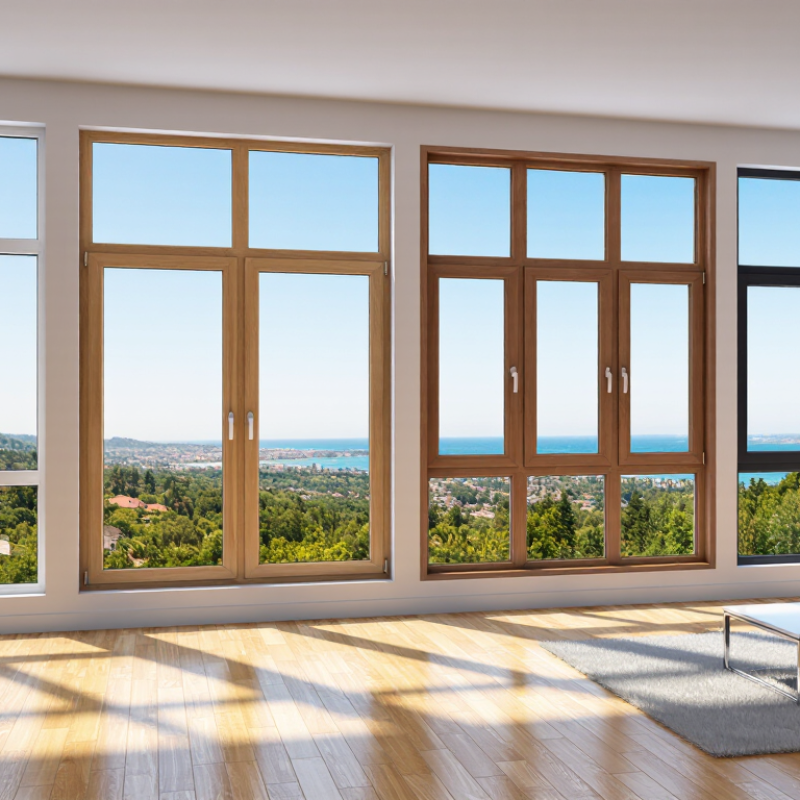
The best residential windows in 2026 depend less on trends than on each room’s light, airflow, and layout. Double-hung windows suit many bedrooms and older homes because both sashes move, making ventilation easier to adjust. They also tilt inward on many models, which can simplify cleaning. Casement windows open outward with a crank and catch breezes well, though nearby shrubs or narrow walkways may limit their swing. Small detail. Measure the opening and check exterior clearance before choosing.

For living rooms, picture windows bring in broad daylight and frame a garden or street view, but they do not open. Pairing one with an operable window can balance the view with fresh air. Sliding windows work well where a sash should not project onto a porch or path, while awning windows can provide ventilation during light rain. In kitchens, place operable windows where steam can escape, and check that handles remain reachable above counters. Bathrooms need privacy glass or carefully planned placement. Not always. A window that looks ideal in a showroom may feel awkward beside a bed or sink. Compare frame material, glazing, and energy ratings for your climate, and ask a qualified installer to assess the wall opening before ordering.

How Frame Materials Affect Durability and Maintenance

Frame material shapes how a window handles weather, wear, and routine care. Wood offers a warm, repairable surface, but exposed paint or sealant can fail when rain repeatedly reaches joints. Look for peeling paint, soft spots, and dark staining, especially along the lower sash. Wood needs attention.

Vinyl frames need little painting, though heat can make some profiles expand and contract. Check that operable windows still slide smoothly and that corner joints remain tight. Fiberglass tends to hold its shape through temperature changes and usually needs only cleaning and occasional hardware checks. Aluminum is strong and slim, but its finish deserves inspection in damp or salty air; scratches can expose areas vulnerable to corrosion.

No frame is maintenance-free, despite how often that phrase appears. A well-installed window can outperform a higher-priced frame with poor drainage or gaps around the opening. After heavy rain, inspect the sill and nearby trim for standing water or dampness. Keep weep holes clear, and follow the manufacturer’s care instructions for finishes and seals. Climate matters, but shade, ventilation, and installation quality matter too. It is easy to overfocus on material alone.

What Are the Best Residential Windows in 2026? — How Frame Materials Affect Durability and Maintenance

Frame Material Durability Routine Maintenance Moisture and Rot Considerations Thermal Performance Often a Good Fit For
Vinyl (uPVC) Resists corrosion and does not rot. Quality, reinforcement, exposure, and installation affect how well it holds its shape and appearance over time. Generally low maintenance; clean with mild soap and water. Avoid abrasive cleaners and check seals and hardware periodically. Does not absorb water or rot, but poor installation or failed seals can still allow water into the surrounding wall assembly. Frames are relatively insulating compared with unbroken metal frames. Performance varies by frame design, glazing, and air sealing. Homeowners seeking a low-maintenance option, subject to local climate, design, and product-performance requirements.
Fiberglass Dimensionally stable across temperature changes and resistant to corrosion. Finish condition and product construction influence long-term appearance. Usually needs little more than periodic cleaning and inspection of hardware, seals, and any painted or coated surfaces. Does not rot like untreated wood. Proper flashing and installation remain essential to prevent water damage around the window opening. Fiberglass is a relatively poor conductor of heat compared with metal. Overall results still depend on glazing and frame design. Projects prioritizing dimensional stability and low routine upkeep, including locations with substantial seasonal temperature changes.
Wood Can provide long service when protected and maintained. Exposure to persistent moisture and neglected finishes can lead to deterioration. Requires more attention than many non-wood frames: inspect finishes and joints, and repaint or reseal exposed surfaces as needed. Wood can absorb moisture and decay if water is not shed or the finish is not maintained. Sound flashing and drainage are important. Wood is a relatively good natural insulator. Glazing, frame construction, and air leakage also affect whole-window performance. Homes where natural interior appearance is a priority and the owner is prepared to maintain exposed wood.
Aluminum Strong and lightweight, and it does not rot. Protective finishes and, in corrosive environments, material and coating selection matter. Typically straightforward to clean; inspect the finish, drainage paths, seals, and hardware. Salt exposure can increase the need for care. Does not rot, but water can still damage adjacent materials if drainage or installation details are inadequate. Conducts heat readily. A thermal break in the frame can reduce heat transfer; compare whole-window performance ratings. Applications that benefit from narrow sightlines or structural strength, especially when the frame includes an appropriate thermal break.
Clad Wood Combines a wood interior with an exterior protective cladding. Durability depends on cladding, joints, drainage, installation, and upkeep. Exterior upkeep is often reduced compared with exposed exterior wood. Inspect cladding joints, seals, hardware, and the interior wood finish. Exterior cladding helps shield the wood but does not make the assembly immune to leaks. Correct flashing and drainage are still necessary. The wood interior provides insulation; whole-window performance depends on the frame design, glazing, and air sealing. Homeowners who want a wood interior with a more weather-resistant exterior surface and are comfortable with a higher-maintenance interior than vinyl or fiberglass.

Frame material alone does not determine window quality. Compare whole-window energy ratings and air-leakage information, and consider local climate, installation quality, exposure, and maintenance needs.

How Glazing and Energy Ratings Influence Performance

The best residential windows in 2026 depend less on a single “top” rating than on your climate, home, and window placement. U-factor measures heat transfer; a lower value generally means better insulation. Solar heat gain coefficient (SHGC) indicates how much sunlight becomes indoor heat. In a cold region, useful winter sun may matter. On a hot, sunny wall, a lower SHGC can help limit overheating.

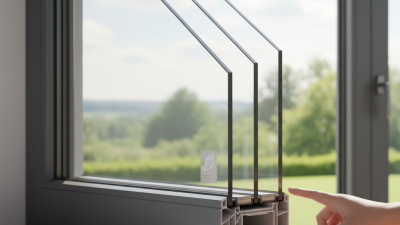
Low-emissivity coatings can reduce heat loss while still admitting daylight. Double glazing suits many homes, while triple glazing may improve comfort in colder climates, but it usually costs more and adds weight. Not always worth it. Compare the full window’s ratings, not just the glass description. Certified labels can help, but check that the listed size and configuration match what you are buying.

A bright south-facing room can feel warm on a crisp afternoon, even with efficient glazing. That detail is easy to overlook. I would not treat one energy number as a verdict: installation quality, frame material, and air leakage also affect real performance. Ask how the window will be sealed to the opening, and check for drafts around existing frames before deciding what matters most. A highly rated window can still disappoint if it is poorly fitted.

How to Match Window Features to Climate and Budget

A good residential window is not automatically the most expensive one. Match its features to the weather your home actually faces. In cold regions, low-emissivity glass and well-sealed frames can reduce drafts and heat loss. In hot, sunny areas, solar-control glass may help limit afternoon heat. Ask for performance ratings suited to your climate, not just a single efficiency number.

Humidity and wind matter, too. Coastal homes may need durable frames and careful water sealing, while rooms with strong sun may benefit from exterior shading. Check how a sample window opens and locks. Small details matter. A window that is difficult to operate may stay closed, even when fresh air would help.

Budget for installation, not only the product. Poor fitting can undermine efficient glass, so ask contractors how they handle flashing, insulation, and air sealing. Compare written quotes that specify the same window size and features. A lower price may leave out important work. Still, premium upgrades do not always pay back quickly; local energy costs, existing insulation, and how long you plan to stay all affect the value. I would compare a few options before deciding, because no rating captures every weakness in an older home.