How to Choose the Best Wide Windows?
Wide windows can turn a dim room into a bright, open space. They can also bring in heat, glare, and street noise. The U.S. Department of Energy’s Energy Saver guidance estimates that heat gain and loss through windows account for 25–30% of residential heating and cooling energy use. That figure makes window choice more than a style decision. It affects comfort and energy use, too. Architect Louis Kahn, known for his thoughtful use of natural light, said, “The sun never knew how wonderful it was until it fell on the wall of a building.” A memorable thought. Yet sunlight is not always welcome on a hot afternoon. The right wide windows balance the view with practical performance.
Start with the room’s direction, local climate, and how you use the space. A broad south-facing opening may need shading; a shaded north-facing room has different needs. Compare frame materials, glazing, U-factor, and solar heat gain coefficient. These ratings help explain insulation and sunlight control, but they do not replace careful installation. Measure the opening, check structural requirements with a qualified professional, and consider cleaning access. A low sill may frame a garden beautifully, while a busy road may make sound control more important. There is no perfect size for every home. Even a well-chosen window can disappoint if glare, privacy, or maintenance gets overlooked. This guide explores those trade-offs, so you can choose wide windows that suit your rooms—not just the product photos.
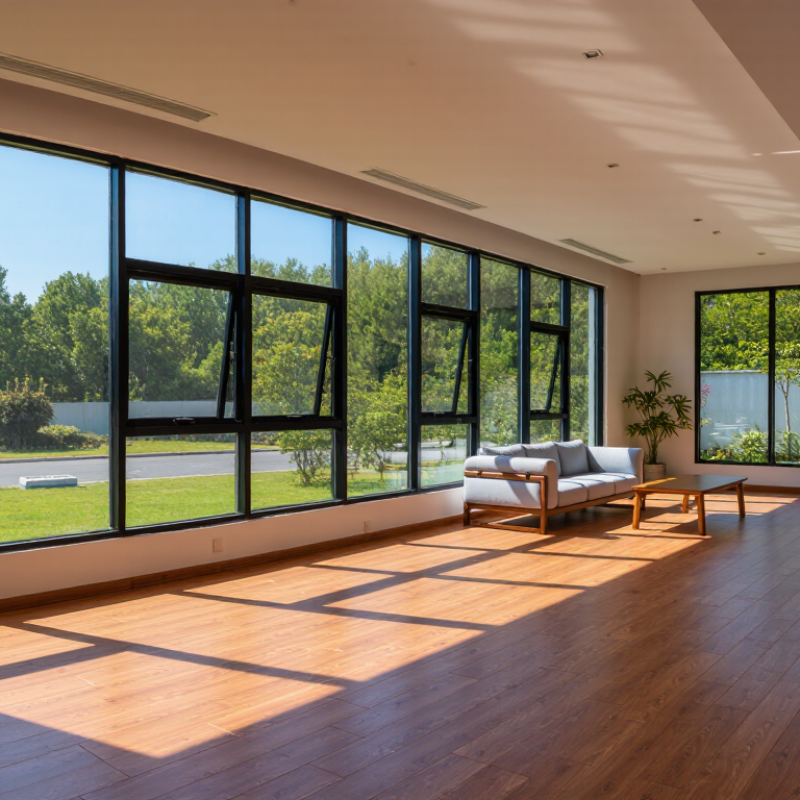
Define Your Needs for Wide Windows
How to Choose the Best Wide Windows?
Define Your Needs for Wide Windows
Start with the room, not the frame. A broad window can bring daylight across a kitchen counter, open a garden view, or make a small room feel less enclosed. It can also create glare, reduce privacy, and admit unwanted heat. The U.S. Department of Energy’s Energy Saver guidance estimates that heat gain and loss through windows account for 25%–30% of residential heating and cooling energy use. Consider which direction the window faces, how much shade the room gets, and whether you need it to open for ventilation. Measure the opening carefully, then check with a qualified installer before changing its size; structure matters.
Tips: Write down your priorities: view, daylight, ventilation, privacy, and energy performance. Compare window ratings, not just glass area. The National Fenestration Rating Council label lists U-factor and solar heat gain coefficient (SHGC), useful measures for comparing products. A low SHGC may help limit solar heat, but the right choice depends on climate and orientation. Small detail, big difference.
Think about daily use, too. Can you reach the handles? Will curtains or furniture block the opening? A fixed, wide pane may suit a scenic wall, while paired operable sections can support airflow. I might be tempted to choose the largest option available. That is not always wise: cleaning access, glare, and installation costs can change the decision. Compare a few practical layouts before settling on dimensions.
How to Choose the Best Wide Windows: Define Your Needs
Compare possible window widths by their estimated opening area. These examples assume a fixed 5-foot height; actual frame dimensions and visible glass area vary by design.
Area is calculated as width × height: a 6-foot-wide opening at 5 feet tall is 30 square feet. Before choosing, consider your available wall space, daylight goals, view, ventilation, privacy, and local building requirements.
Measure the Opening and Check Structural Limits
Measure the rough opening, not the old window’s visible glass. Record width at the top, middle, and bottom, then use the smallest measurement. Repeat for height at both sides and the center. Check the diagonals, too; a mismatch can reveal a skewed frame. Leave room for shimming and installation clearance, following the window maker’s instructions. Small details matter. A tape measure can flex, so recheck unusually wide spans with another person before ordering.
Then check what the wall can carry. A wider unit may need a longer or deeper header, and removing studs can affect the load path above. The American Wood Council’s prescriptive span tables show that allowable header spans depend on factors such as lumber species, grade, loads, and opening width—not width alone. Do not treat a table as approval for every house; roof loads and existing framing can differ. The U.S. Department of Energy’s Energy Saver guidance estimates that windows account for about 25–30% of residential heating and cooling energy use, making accurate sizing and a well-sealed installation worth the effort. I would pause before cutting anything. If the wall is load-bearing, or its framing is hidden or unclear, ask a qualified structural professional to assess the opening before changing it.
Compare Window Styles and Frame Materials
Wide windows can bring daylight deep into a room, but the opening style affects ventilation, cleaning, and furniture placement. Fixed picture windows offer broad, uninterrupted views and fewer moving parts. They do not open. Casement windows swing outward and can catch a breeze, though nearby paths or shrubs may limit their movement. Sliding windows save exterior space, but their tracks need regular cleaning to keep them moving smoothly.
Frame material changes the feel and upkeep of the window. Vinyl is generally low-maintenance and resists moisture, while fiberglass offers strength and stable performance through temperature changes. Wood has a warm, natural look, but exposed finishes may need periodic care. Aluminum frames are slim and sturdy; however, their thermal performance depends on design and insulation details. Look closely at the frame, not just its color. Light matters.
For a wide opening, a combination of fixed and operable panels can balance views with airflow. Compare sightlines, hardware reach, and how each sash will be cleaned from inside. A beautiful layout can become awkward if a handle sits behind a sofa. There is no perfect material. I would also check the wall opening and support requirements with a qualified installer before choosing a large unit; size can affect structure, not only appearance. A little uncertainty here is useful. It means the details deserve another look.
How to Choose the Best Wide Windows? - Compare Window Styles and Frame Materials
Compare Wide Window Styles
| Window style |
How it works |
View and opening area |
Good fit for |
Points to consider |
| Picture |
Fixed glazing that does not open. |
Broad, uninterrupted glass area; no ventilation through the unit. |
Unobstructed views and rooms where another window provides ventilation. |
Plan for cleaning access and pair with an operable window if airflow is needed. |
| Sliding |
One or more sashes slide horizontally along tracks. |
Typically, only part of the window opens at a time; no outward swing. |
Wide wall openings, patios, and areas where projecting sashes would get in the way. |
Track cleanliness and drainage matter; ventilation is limited to the open sash area. |
| Casement |
Hinged at the side and opens outward with a crank or handle. |
Can provide a large opening for its sash size; paired units can span a wider opening. |
Rooms where ventilation and a clear view are priorities. |
Needs exterior clearance; wind and hardware limits may affect suitable sash size. |
| Bay or bow |
Multiple window units project outward from the wall; bay units usually form angles, while bow units create a gentler curve. |
Creates a wide, multi-angle view; ventilation depends on which units open. |
Adding visual depth, a window seat, or extra interior space. |
Requires suitable structural support, careful weatherproofing, and more exterior projection. |
| Awning |
Hinged at the top and opens outward from the bottom. |
Offers ventilation through a smaller opening; the sash projects outward. |
High placements or use alongside a larger fixed window. |
The projecting sash needs clearance, and opening size is limited by the unit design. |
Compare Frame Materials
| Frame material |
Typical strengths |
Maintenance |
Considerations for wide windows |
| Vinyl (PVC) |
Generally low maintenance; hollow or multi-chamber profiles can help limit heat transfer. |
Usually needs routine cleaning rather than painting. |
Frame stiffness and expansion vary by design; check the manufacturer's size limits and reinforcement details. |
| Fiberglass |
Dimensionally stable and strong; typically expands and contracts less than many other frame materials. |
Generally low maintenance; finish requirements depend on the product. |
Can suit large units, but available sizes, profiles, and costs vary by manufacturer. |
| Wood |
Natural appearance and relatively low heat transfer through the frame. |
Interior or exterior surfaces may need periodic painting, staining, or other protection. |
Consider a protected exterior cladding option where reduced exterior upkeep is desired. |
| Aluminum |
Strong, durable, and capable of supporting slim frame profiles. |
Typically low maintenance; finish care depends on exposure and coating. |
Metal conducts heat readily, so look for thermally broken frames and check whole-window energy performance. |
| Composite |
Combines materials; properties depend on the specific composition and construction. |
Maintenance varies by material, finish, and exterior exposure. |
Compare the exact product's structural limits, thermal performance, finish, and warranty rather than relying on the material category alone. |
Note: Available dimensions, opening limits, energy performance, and maintenance needs vary by product, glazing, installation, and local climate. Check product specifications and applicable building requirements before selecting a wide window.
Evaluate Glazing, Energy Efficiency, and Safety
Wide windows can brighten a room, but glass choice affects comfort as much as appearance. Compare the whole window’s U-factor, which indicates heat transfer, and its solar heat gain coefficient, or SHGC. In colder climates, lower heat loss may matter most; in sunny rooms, controlling solar gain can reduce overheating. Ask for performance figures for the complete unit, not just the glass. Numbers matter. A low U-factor alone does not guarantee a comfortable room if sunlight creates hot spots beside the sofa.
Glazing layers, low-emissivity coatings, and gas-filled cavities can improve insulation, depending on the climate and window design. Look at air-leakage ratings too, and check how the frame and installation affect the finished opening. For safety, ask whether tempered or laminated glass is appropriate for the window’s location, size, and local requirements. A large pane near a door or low to the floor deserves particular care. View a sample in the actual room if possible; coatings can change the color of daylight. It is easy to overvalue a sleek specification sheet. Real comfort also depends on shade, orientation, and careful installation.
Choose an Installer and Plan for Maintenance
For wide windows, a qualified installer matters as much as the frame itself. Large panes are heavy, and even a small alignment error can cause uneven gaps or difficult operation. Ask potential installers how they measure the opening, support the unit during fitting, and seal the perimeter against water and air. Request a written scope that names the materials, expected schedule, cleanup, and warranty coverage. Check recent references, especially for projects with similarly wide openings. Clear answers are a good sign.
Tips: Ask who handles installation and who returns if adjustments are needed. Keep records. Take photos of the opening before work begins, and save care instructions with your paperwork. Before signing, confirm how the crew will protect floors and nearby furniture. These details seem minor until dust settles on everything.
Plan maintenance around the window’s materials and local weather. Inspect seals twice a year for cracks, gaps, or peeling, and look for water marks after heavy rain. Clean tracks with a soft brush and remove grit before operating sliding panels. Use only care products approved for the surface; harsh cleaners can dull finishes. Some maintenance schedules are easy to postpone—I would not pretend otherwise. Set a calendar reminder, and arrange prompt inspection if a pane feels loose or the frame develops persistent condensation. A professional can identify whether the issue comes from the window, its installation, or indoor humidity.



 Get a Free Quote
 See our Doors





 Start your estimate