Top Platinum Doors and Windows Manufacturers in China?

China’s platinum doors and windows sector combines advanced fabrication with highly varied quality. Factory photos alone cannot reveal performance.

This guide examines leading Chinese manufacturers through measurable details. We consider aluminum alloy grades, thermal-break design, glass configuration, hardware, coating durability, and installation support. We also examine production records, testing documentation, export experience, and communication after payment. Small details matter. A precise corner joint, evenly compressed gasket, and clean drainage channel can prevent years of trouble.

Helen Sanders, Ph.D., a respected fenestration technology specialist, has stated, “A high-performance window is only as good as its installation.” This principle should guide every supplier comparison. Even an impressive platinum doors and windows system may underperform if installers ignore shimming, anchoring, sealing, or site tolerances. That risk deserves more attention in international projects.

The manufacturers discussed here may serve different needs. One may excel at oversized sliding doors, while another offers stronger thermal insulation or more reliable custom finishes. Some factories appear technically capable but provide limited documentation. Others communicate well yet lack consistent project references. No ranking is flawless. Product quality can change between batches, and a polished showroom is not proof of long-term durability.

Readers should request recent test reports, sample corners, finish swatches, warranty terms, and installation drawings. Ask how the factory handles damaged glass or replacement hardware. A serious supplier should answer clearly, not hide behind attractive catalogs. These practical checks create a more reliable path toward selecting China’s top platinum doors and windows manufacturers.
Top Platinum Doors and Windows Manufacturers in China?

What Defines Platinum-Grade Doors and Windows in China

Platinum-grade doors and windows in China are not defined by a glossy finish or heavy frame. The term has no single national rating. It should describe verified performance across thermal insulation, air tightness, water resistance, sound control, security, and service life. China’s GB/T 8478-2020 standard provides technical requirements for aluminum alloy windows and doors. Serious manufacturers should also provide laboratory test reports, product traceability, and installation records.

Energy performance matters most. The IEA’s Buildings 2023 report states that buildings consume about 30% of global energy and produce roughly 26% of energy-related emissions. In China, the China Academy of Building Research’s China Building Energy Consumption Annual Report 2023 also identifies buildings as a major energy-use sector. Platinum-grade systems therefore need low heat transfer, reliable seals, and carefully designed thermal breaks. A warm-edge spacer, multi-point lock, and properly compressed gasket can matter more than decorative metalwork. Small gaps matter.

Testing must reflect real conditions. A window may pass a factory test yet leak after transport or careless installation. That is the uncomfortable part. On-site inspection should check frame alignment, corner joints, drainage paths, and sealant continuity. Acoustic claims also need frequency-based test data, not vague phrases such as “quiet living.” High-quality projects document glass configuration, hardware cycles, weather exposure, and maintenance intervals. A premium specification is useful only when installers follow it precisely.

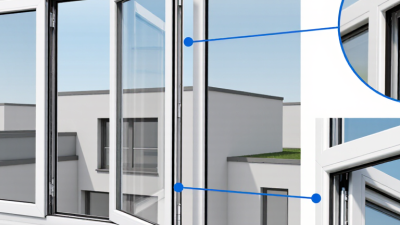
China’s Leading Platinum Doors and Windows Manufacturers

China’s leading platinum doors and windows manufacturers are increasingly judged by verified performance, not polished showroom claims. The “platinum” label is not a universal technical classification, so buyers should inspect test reports, material certificates, and installation records. The International Energy Agency reports that buildings and construction consumed about 30% of global final energy in 2022. This makes thermal performance a practical purchasing concern.

High-quality Chinese manufacturers typically focus on low-emissivity glass, insulated frames, multi-point locks, and tested weather seals. Look for documented U-values, air-permeability results, water-tightness ratings, and resistance to wind pressure. In coastal cities, powder coating and stainless-steel components deserve closer attention. Factory experience also matters. Precision cutting, corner welding, and controlled assembly reduce the small gaps that later cause drafts. Small gaps matter.

The National Bureau of Statistics reported a 10.6% decline in China’s real-estate development investment during 2024. This pressure may encourage faster delivery and lower-cost substitutions. Buyers should therefore compare approved specifications with the products installed on site. A strong manufacturer can explain glass thickness, spacer type, hardware cycles, and replacement procedures without vague language. Still, the category is not perfectly standardized. A convincing brochure cannot replace independent testing, site inspection, and careful installation supervision. That is where many otherwise excellent projects remain weak.

Key Products and Technologies Offered by Top Manufacturers

China’s leading platinum doors and windows manufacturers focus on thermal efficiency, structural strength, and precise installation. Their product ranges often include lift-and-slide doors, casement windows, folding systems, entrance doors, and custom curtain-wall units. Many use thermally broken aluminum profiles, multi-chamber frames, and insulated glass with low-emissivity coatings. These materials reduce heat transfer while supporting slim architectural designs.

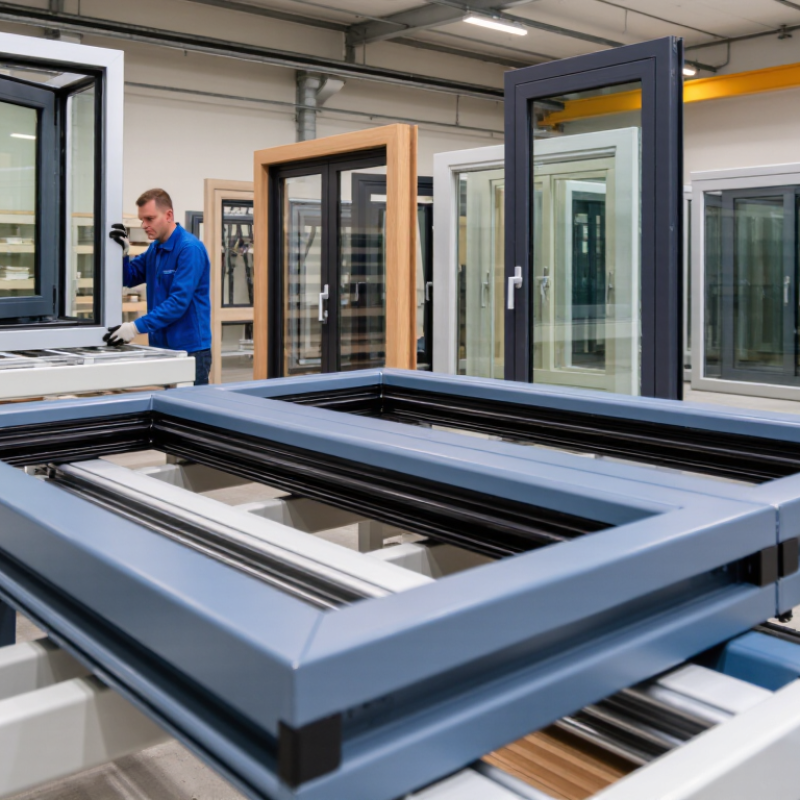
Advanced manufacturers also offer double or triple glazing, warm-edge spacers, hidden drainage, and multi-point locking systems. Automated cutting and CNC machining improve dimensional accuracy during large-scale production. Some factories use robotic welding, powder coating, and controlled assembly lines to maintain consistent surface quality. Testing may cover air permeability, water tightness, wind resistance, acoustic performance, and cycle durability. Certifications matter, but buyers should verify current documents and test conditions. They should also inspect samples.

From practical project evaluation, installation quality can affect performance as much as product selection. A well-designed window may still leak if the frame is poorly aligned or sealed. Manufacturers with technical teams can provide shop drawings, performance calculations, hardware guidance, and on-site support. Their engineers may adapt profiles for coastal humidity, cold winters, or strong sunlight. These details often separate a dependable supplier from a low-cost option.

Some claims deserve closer review. “Energy saving” is not a complete specification. U-values, glass configuration, gasket materials, and local climate should be examined together. Even experienced manufacturers can miss small drainage or fitting details. Careful inspection remains necessary.

Top Platinum Doors and Windows Manufacturers in China? - Key Products and Technologies Offered by Top Manufacturers

Product Category Common Construction Key Technologies Typical Performance Features Relevant Standards and Tests Typical Applications
Thermally Broken Aluminum Windows Aluminum frames with polyamide thermal barriers, insulated glazing units, and EPDM or silicone gaskets. Multi-chamber profiles, low-emissivity glass, warm-edge spacers, concealed drainage, and precision CNC fabrication. Improved thermal insulation, weather resistance, acoustic control, and resistance to frame condensation. EN 14351-1, EN ISO 10077-1, ASTM E283, ASTM E330, and ASTM E331. Residential towers, villas, hotels, offices, and energy-efficient commercial buildings.
Lift-and-Slide Doors Large aluminum or aluminum-wood panels mounted on heavy-duty stainless-steel or corrosion-resistant rollers. Low-threshold tracks, multi-point locking, concealed rollers, anti-lift devices, and oversized insulated glass. Wide clear openings, smooth operation, high air tightness, and strong resistance to wind and water penetration. EN 14351-1, EN 12207, EN 12208, EN 12210, and ASTM E283/E331. Patios, balconies, luxury residences, resort projects, and indoor-outdoor living areas.
Minimal-Frame Sliding Doors Narrow-profile aluminum frames with structurally bonded or mechanically retained insulated glass panels. Flush floor tracks, concealed drainage, narrow interlocks, stainless-steel hardware, and thermally improved sashes. Maximized daylight, unobstructed views, reduced visible framing, and enhanced architectural appearance. EN 14351-1, EN 12207, EN 12208, EN 12210, and project-specific structural calculations. Premium villas, penthouses, hospitality projects, and high-end commercial interiors.
Aluminum-Clad Timber Windows Engineered timber interior surfaces protected externally by powder-coated or anodized aluminum cladding. Finger-jointed or laminated timber, ventilated cladding cavities, dual sealing lines, and low-emissivity glazing. Natural interior finish, improved durability, thermal efficiency, and reduced exterior maintenance. EN 14351-1, EN 12207, EN 12208, EN 12210, and EN ISO 10077-1. Luxury residences, heritage-style buildings, boutique hotels, and premium developments.
High-Performance Entrance Doors Insulated aluminum, steel, or engineered timber door leaves with reinforced frames and multi-point locks. Thermal breaks, insulated cores, concealed hinges, adjustable compression seals, and smart-access preparation. Enhanced security, thermal insulation, acoustic performance, weather sealing, and dimensional stability. EN 14351-1, EN 12207, EN 12208, EN 12210, and EN 1627 for burglary-resistance classifications where specified. Main entrances, apartment buildings, villas, hotels, and secure commercial facilities.
Curtain Wall Systems Aluminum mullions and transoms supporting vision glass, spandrel panels, pressure plates, and exterior caps. Unitized or stick-built assembly, pressure-equalized drainage, thermal isolators, and factory-glazed modules. High-rise façade flexibility, controlled water management, wind-load resistance, and efficient installation. EN 13830, ASTM E283, ASTM E330, ASTM E331, and project-specific seismic and wind-load requirements. Office towers, shopping centers, airports, hotels, and institutional buildings.
Fire-Rated Glazed Doors and Windows Certified steel or specialized aluminum frames with fire-resistant laminated, ceramic, or insulated glazing. Intumescent seals, fire-resistant glazing compounds, automatic closers, and tested frame-to-wall interfaces. Specified fire integrity and insulation periods, smoke control options, and safe compartmentation. EN 16034, EN 1634-1, UL 10C, NFPA 252, or applicable local certification requirements. Stairwells, corridors, hotel rooms, hospitals, offices, and protected escape routes.
Acoustic Windows and Doors Asymmetric laminated glazing, insulated frames, continuous compression seals, and sealed installation joints. Different glass thicknesses, acoustic PVB interlayers, secondary seals, and mechanically isolated frame components. Reduced traffic, aircraft, rail, and urban noise transmission when correctly designed and installed. ISO 10140, ISO 717-1, ASTM E90, ASTM E1332, and project-specific acoustic criteria. Urban residences, hotels, airports, hospitals, recording spaces, and roadside buildings.
Smart and Motorized Openings Powered sliding, folding, awning, or tilt-and-turn systems integrated with aluminum or timber-aluminum frames. Obstacle detection, remote control, position sensors, rain and wind sensors, and building-management integration. Improved accessibility, automated ventilation, controlled daylight, and convenient security monitoring. Applicable product standards, electrical safety requirements, EN 60335-2-103 where applicable, and project commissioning tests. Smart homes, hotels, accessible buildings, offices, atriums, and premium residential projects.

Note: Actual thermal, acoustic, structural, air, water, and fire performance depends on the selected profile, glazing, hardware, dimensions, installation method, and applicable project standards.

How to Compare Quality, Certifications, and Customization

When comparing premium (“platinum”) doors and windows manufacturers in China, quality begins with verified performance, not polished showroom samples. The IEA’s Buildings 2023 report states that buildings consume about 30% of global final energy. Thermal insulation therefore deserves close attention. Request U-value, air-tightness, water-tightness, and wind-pressure test results for the exact profile and glass combination. A factory’s ISO 9001 certification supports process control, but it does not guarantee excellent installation or long-term durability.

Certifications should match the destination market. Check compliance with relevant Chinese GB standards, plus CE, NFRC, AAMA, or other required testing for export projects. Ask for laboratory reports with dates, sample descriptions, and testing agencies. A serious manufacturer should explain alloy grade, coating thickness, hardware cycles, sealant compatibility, and drainage design. Customization also needs engineering discipline. Confirm opening sizes, thermal breaks, glass layers, acoustic targets, colors, screens, and replacement-part availability. “Custom” should mean documented drawings, not only more color choices. According to the World Green Building Trends research, energy efficiency remains a major construction priority, yet product claims still require independent verification.

Tips: Compare three written quotations line by line. Inspect one finished corner sample. Test the locking handle yourself. Ask how rejected units are recorded. A certificate can be genuine but irrelevant. My comparison may still miss local installation risks, so include site measurements and a mock-up test before mass production.

This 100-point comparison framework evaluates platinum-level door and window manufacturers without displaying company or brand data. Quality emphasizes structural, air, water, and thermal performance; certifications include recognized systems such as ISO 9001, EN 14351-1, AAMA/WDMA/CSA 101/I.S.2/A440, and NFRC-related performance documentation where applicable. Customization covers dimensions, glazing, finishes, hardware, and project-specific engineering.

Tips for Selecting a Reliable Chinese Manufacturer

Top Platinum Doors and Windows Manufacturers in China?
Tips for Selecting a Reliable Chinese Manufacturer

Choosing a reliable Chinese manufacturer requires more than comparing prices. Check the factory’s production history, export markets, and annual capacity. Ask for recent project references with similar door and window specifications. A polished website is not proof. Request a live video tour or arrange an independent factory audit.

Study the technical details carefully. Confirm aluminum alloy grades, glass thickness, thermal-break design, hardware sources, coating standards, and drainage methods. Ask for test reports from recognized laboratories. Samples should include corner joints, locks, seals, and surface finishes. Touch them. Operate them. Small defects often reveal weak quality control.

Use a written contract with approved drawings, tolerances, packaging rules, inspection stages, and delivery dates. A pre-shipment inspection can verify dimensions, colors, quantities, and opening direction. Keep communication documented, especially when specifications change. Reliable manufacturers explain limitations instead of promising everything. That matters. Some buyers focus too heavily on the lowest quotation and regret it later. A cheaper frame may bring higher installation costs, delays, or replacement work. I would also allow extra time for sample revisions, because initial drawings are rarely perfect. Reliability grows through clear evidence, consistent replies, and measurable quality.