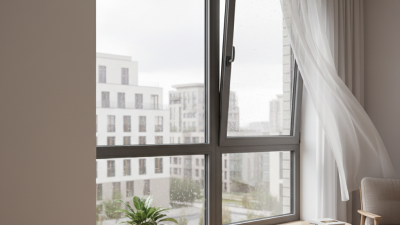
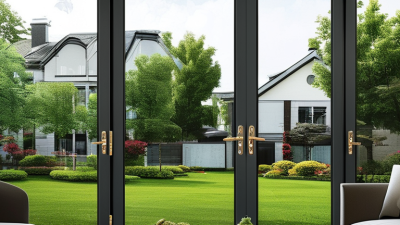
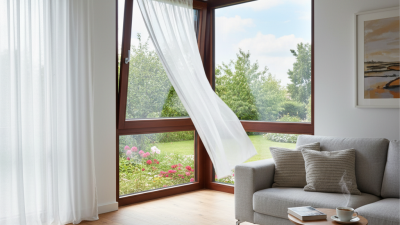
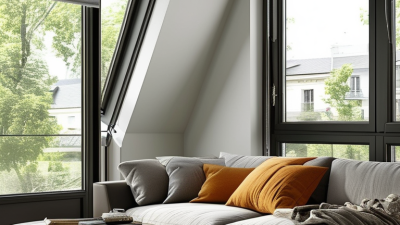
China Top 10 European Style Windows Manufacturers examines suppliers serving demanding residential and commercial projects. The term european style windows covers more than appearance. It may include tilt-and-turn hardware, slim sightlines, thermal breaks, insulated glazing, and inward-opening operation. A clean white frame is only the visible part.
The International Energy Agency’s Buildings 2023 report states that buildings consume about 30% of global final energy and produce roughly 26% of energy-related emissions. This makes window performance commercially important, not decorative. The European Commission’s revised Energy Performance of Buildings Directive, Directive (EU) 2024/1275, also strengthens Europe’s long-term focus on building renovation and energy efficiency. Manufacturers must therefore be assessed through measurable evidence. Key checks include thermal transmittance, air permeability, watertightness, wind resistance, acoustic performance, hardware durability, and documented quality control. EN 14351-1 and relevant European testing practices should guide product verification, while project-specific requirements still need professional review.
Numbers can mislead.
This guide does not treat factory size or website claims as proof of superiority. It considers production experience, export records, testing documentation, customization capability, installation support, and communication reliability. Samples should be inspected closely, especially at gasket corners, drainage slots, welded joints, and glass spacer edges. A supplier may offer an impressive catalog yet struggle with drawings or replacement parts. That weakness matters. The selected companies are presented as practical candidates, not permanent winners. Buyer feedback, certifications, and factory conditions should be rechecked before contracting, because market information changes and no ranking tells the whole story.
China Top 10 European Style Windows Manufacturers
What Defines European Style Windows in China
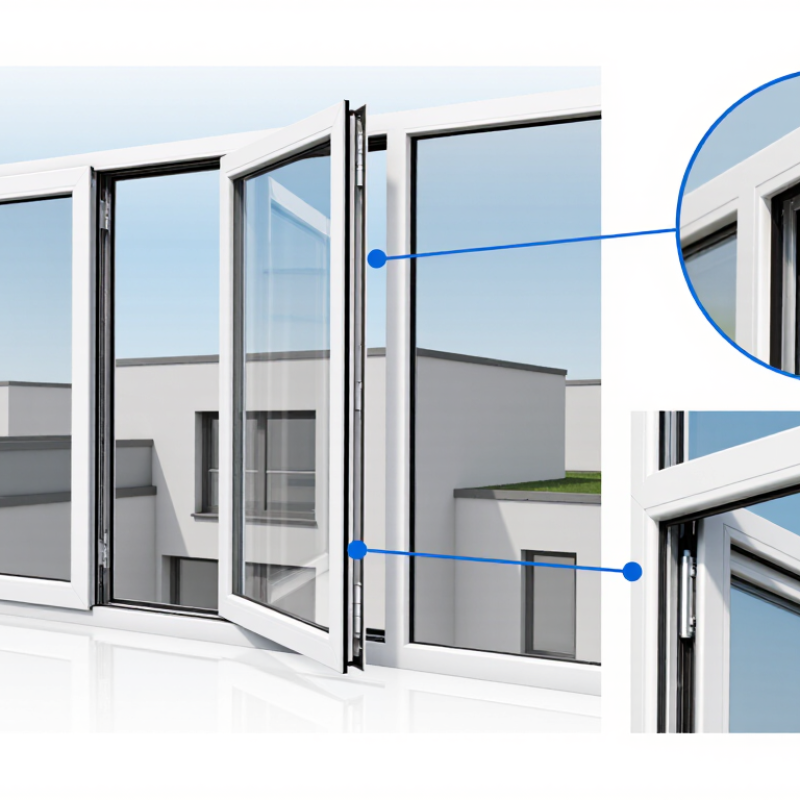
European style windows are defined by performance, not decoration. They usually combine tilt-and-turn operation, thermal-break frames, low-E insulated glass, warm-edge spacers, and multi-point locking. Quality sealing also matters. EPDM gaskets should compress evenly around the frame, while drainage channels must remain clear during heavy rain.
The 2023 Global Status Report for Buildings and Construction reported that buildings used 34% of global energy and produced 37% of energy-related emissions in 2022. The figures vary by reporting method, but the message is clear. Window performance affects long-term energy use. In China, European-style systems must also suit local climates. A window designed for a cold northern city may feel excessive in a humid southern city. That assumption needs testing.
European references often include EN 12207 for air permeability and EN 12208 for watertightness. Chinese projects should also check GB/T 8478-2020 and complete-window test results. Profiles alone prove little. Glass, hardware, seals, installation, and wall connections work as one system. I have seen attractive windows fail because installers ignored sill drainage. It is an unglamorous detail.
Tips: Request full-window reports, not profile brochures. Check Uw values, air leakage, water resistance, and hardware cycles. Ask for samples installed in a similar climate. A perfect showroom corner can still hide poor site workmanship.
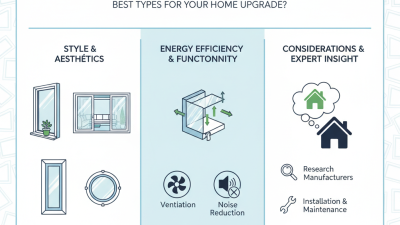
European-style windows manufactured in China are generally defined by energy-efficient low-E glazing, thermally insulated frames, controlled solar gain, improved daylight transmission, and enhanced acoustic performance. The chart shows representative benchmark values commonly associated with modern European window systems, rather than company or brand rankings.
Reference framework: EN 14351-1, EN 12207, EN 12208, EN 12210 and commonly specified residential window performance ranges. Actual results vary according to frame material, glazing composition, spacer technology, dimensions and installation quality.
China Top 10 European Style Windows Manufacturers
How Chinese Manufacturers Are Evaluated and Ranked
Ranking Chinese European style window manufacturers requires more than comparing online catalogs. A reliable assessment begins with verified factory visits, recent project evidence, and tested samples. Evaluators inspect profile thickness, corner welding, gasket quality, glazing accuracy, and hardware alignment. They also review thermal insulation, air tightness, water resistance, and wind-load results from recognized laboratories. Production consistency carries significant weight. One attractive sample proves little.
Auditors compare several batches, check inspection records, and observe how workers control tolerances. They examine material traceability, coating durability, packaging, and damage rates during shipment. Certification documents matter, but independent verification matters more. Some suppliers present strong paperwork yet offer weak technical support. Clear quotations, realistic lead times, responsive engineers, and installation guidance reduce project risk. Previous customers can reveal problems hidden by polished presentations.
No ranking is permanent. Market conditions change. A factory may improve equipment while another loses skilled staff. A controlled sample cannot represent every production batch. This is an unavoidable weakness. Buyers should request fresh testing, approve drawings, and inspect pre-shipment goods. Warranty handling and replacement-part access also deserve measurable scores. The strongest ranking combines technical evidence, manufacturing experience, customer feedback, and transparent limitations.
China’s top ten European style window manufacturers differ in design focus, factory scale, and export experience. Several specialize in slim aluminum frames, insulated glazing, and inward-opening systems. Others focus on thermally broken profiles, timber-aluminum combinations, or custom residential projects. Their strongest factories usually operate automated cutting lines, controlled assembly areas, and in-house testing rooms. This matters when windows must resist wind, rain, noise, and seasonal temperature changes.
A reliable manufacturer should provide profile specifications, glass data, hardware details, and installation guidance. Ask for test reports from recognized laboratories. Check whether the reported performance matches the exact window configuration, not a similar sample. Factory visits can reveal practical issues, such as storage conditions, sealant handling, and packaging quality. Some suppliers present polished samples but lack consistent production control. That gap deserves attention. Even experienced buyers can overlook drainage design or replacement hardware availability. Ten profiles may look similar online, yet their long-term service systems can differ sharply.
Tips: Request a complete quotation with dimensions and accessories. Compare Uw values, air tightness, water resistance, and acoustic results. Confirm delivery terms and inspection procedures in writing. Order a physical sample before placing a large order. Small details matter. Also, allow time for installation training, because an excellent window can perform poorly when fitted carelessly.
Comparing China’s leading European style window manufacturers requires more than checking appearance and price. Product quality depends on profile design, glass performance, hardware durability, and drainage details. Tilt-and-turn, casement, and lift-and-slide systems serve different building needs. A careful buyer should request thermal data, air-tightness results, water resistance tests, and sample sections before ordering.
Material selection affects long-term performance. Thermally broken aluminum offers strength and slimmer frames, while uPVC provides strong insulation and lower maintenance. Wood-aluminum combinations create a warmer interior finish but require stricter moisture control. Double glazing may suit mild regions, while triple glazing performs better in cold climates. Low-emissivity coatings, argon filling, warm-edge spacers, and reinforced corners also deserve comparison.
Technology is important, but installation can decide the final result. Look for CNC fabrication, digital quality tracking, corner welding checks, and controlled glass assembly. Reliable suppliers should provide shop drawings, hardware guidance, packaging protection, and clear warranty terms. Site measurement support matters too. I have seen excellent windows underperform because installers ignored expansion gaps or used weak anchors. That mistake is easy to underestimate. Factory claims should never replace independent testing, project references, and a detailed inspection plan. Service response, replacement-part availability, and communication during customization can reveal more than a polished showroom.
Choosing among China’s top European style window manufacturers requires more than comparing prices. Start with the window’s performance data. Ask for U-values, air-tightness results, water resistance ratings, and wind-load testing. These figures should come from recognized laboratories, not only a sales brochure.
Inspect the production process, too. A reliable manufacturer should explain profile reinforcement, corner welding, glass installation, and hardware adjustment. Request factory videos or schedule a live inspection. Check whether quality teams measure frame dimensions and inspect each finished unit. Small errors can cause drafts, poor drainage, or difficult operation. Experience matters here. A supplier that has handled similar climates can recommend suitable glazing and seals. Still, experience is not proof. Verify it through project references and dated test documents.
Tips: Compare complete quotations, not unit prices. Confirm glass thickness, spacer type, screens, packaging, and installation guidance. Ask about sample approval, replacement procedures, lead times, and warranty coverage. Keep specifications in writing. Communication is often underestimated. A clear technical drawing can prevent expensive misunderstandings. No checklist is perfect. Leave room for site conditions, local codes, and a second review before production.
Anonymized comparison table based on commonly recognized European performance standards and practical sourcing criteria
| No. | Anonymized Manufacturer Profile | Primary Product Focus | Typical Frame Options | Common Glazing Configuration | Indicative Window U-Value | Air Tightness Target | Water Resistance Target | Acoustic Performance | Key Compliance Evidence to Request | Best Fit for Buyers |
|---|---|---|---|---|---|---|---|---|---|---|
| 01 | Profile A | Standard European-style casement windows | uPVC, thermally broken aluminium, or engineered timber | Double glazing, typically 24–32 mm; optional Low-E coating | Approximately 1.4–2.2 W/m²K, depending on system and glass | Class 3–4 to EN 12207 | Class 5A–9A to EN 12208 | Approximately 30–38 dB Rw | EN 14351-1 test documentation, section drawings, hardware data, and sample inspection | Residential projects with balanced cost and performance |
| 02 | Profile B | Energy-efficient tilt-and-turn windows | Multi-chamber uPVC or thermally broken aluminium | Triple glazing, typically 36–52 mm; warm-edge spacer recommended | Approximately 0.8–1.3 W/m²K | Class 4 to EN 12207 | Class 7A–9A to EN 12208 | Approximately 35–42 dB Rw | Whole-window U-value calculation, CE/DoP documents where applicable, and thermal spacer specifications | Cold-climate homes and low-energy buildings |
| 03 | Profile C | Slim-frame aluminium windows and doors | Thermally broken aluminium with powder coating or anodizing | Double or triple insulating glass; laminated options available | Approximately 1.2–2.0 W/m²K | Class 3–4 to EN 12207 | Class 6A–9A to EN 12208 | Approximately 32–40 dB Rw | Aluminium alloy grade, thermal-break details, coating thickness, and hardware load data | Modern façades, apartments, and large glazed openings |
| 04 | Profile D | Timber and timber-aluminium European windows | Engineered softwood, hardwood, or timber-aluminium composite | Double or triple glazing with Low-E and argon fill | Approximately 0.9–1.5 W/m²K | Class 3–4 to EN 12207 | Class 6A–9A to EN 12208 | Approximately 34–42 dB Rw | Timber moisture-control process, coating system, FSC/PEFC evidence where claimed, and test reports | Premium homes and traditional architectural projects |
| 05 | Profile E | Large-format lift-and-slide systems | Thermally broken aluminium or reinforced uPVC | Double or triple laminated insulating glass | Approximately 1.0–1.8 W/m²K | Class 3–4 to EN 12207 | Class 5A–8A to EN 12208 | Approximately 30–38 dB Rw | Maximum sash dimensions, glass weight calculations, roller load rating, and drainage design | Villas, hotels, balconies, and panoramic openings |
| 06 | Profile F | High-security and acoustic windows | Reinforced uPVC or thermally broken aluminium | Laminated acoustic or security glazing, usually 28–52 mm | Approximately 1.2–2.0 W/m²K | Class 4 to EN 12207 | Class 7A–9A to EN 12208 | Approximately 40–48 dB Rw, depending on glass design | RC-class evidence where required, laminated-glass data, locking-point layout, and acoustic test reports | Urban buildings, schools, hotels, and security-sensitive properties |
| 07 | Profile G | Cost-effective renovation windows | uPVC or economical thermally broken aluminium | Double glazing, commonly 24–28 mm | Approximately 1.6–2.5 W/m²K | Class 3–4 to EN 12207 | Class 5A–7A to EN 12208 | Approximately 28–36 dB Rw | Verified profile wall thickness, steel reinforcement details, production drawings, and warranty terms | Apartment refurbishment and volume housing projects |
| 08 | Profile H | Passive-house-oriented window systems | Highly insulated uPVC, timber, or thermally improved aluminium | Triple glazing with warm-edge spacer and inert-gas filling | Approximately 0.65–0.95 W/m²K | Class 4 to EN 12207; airtight installation is also essential | Class 7A–9A to EN 12208 | Approximately 35–45 dB Rw | Uw calculation, spacer and gas specifications, installation details, and airtightness-related documentation | Passive-house and ultra-low-energy developments |
| 09 | Profile I | Fire, smoke, and specialized project windows | Steel, aluminium, or certified composite systems | Fire-rated or laminated glass selected for the required classification | Project-specific; confirm by tested assembly | Project-specific; confirm by tested assembly | Project-specific; confirm by tested assembly | Project-specific acoustic classification | Valid fire-test reports, classification reports, approved hardware, and installation restrictions | Commercial, public, and regulated construction projects |
| 10 | Profile J | Custom-design and project-management specialist | Multiple materials and mixed-system solutions | Double, triple, laminated, solar-control, or decorative glazing | Project-specific; commonly 0.8–2.2 W/m²K | Project-specific; target Class 3–4 | Project-specific; target Class 6A–9A | Approximately 30–45 dB Rw, depending on specification | Shop drawings, bill of materials, mock-up approval, quality-control plan, packing list, and after-sales procedure | Architectural projects requiring customization and coordination |
Call us one of our 3 offices across Ontario, Canada
Thanks for contacting us!
We'll get back to you as soon as possible.