French style windows are valued for their tall glass panels, balanced proportions, and ability to bring daylight into a room. In China, manufacturers offer a wide range of designs, from slim aluminum frames to custom timber-look finishes. Choosing among them takes more than comparing photographs. Frame depth, hardware quality, weather seals, glass specifications, and installation support all affect long-term performance. Small details matter.
Architect Frank Lloyd Wright wrote, “The space within becomes the reality of the building.” His observation offers a useful lens for evaluating window design: a graceful façade matters, but so does the room’s comfort and usability. This guide introduces ten Chinese manufacturers associated with French-style window designs and outlines practical points buyers can investigate. These include product customization, documented performance data, quality-control processes, lead times, and after-sales service. No single supplier is right for every project. A coastal renovation, for example, may require different materials and sealing than an inland apartment. Catalogues can look convincing; real installation details deserve closer attention. The comparisons ahead are a starting point, not a substitute for checking specifications, samples, and project references. Small inconsistencies can slip through. That is worth remembering.
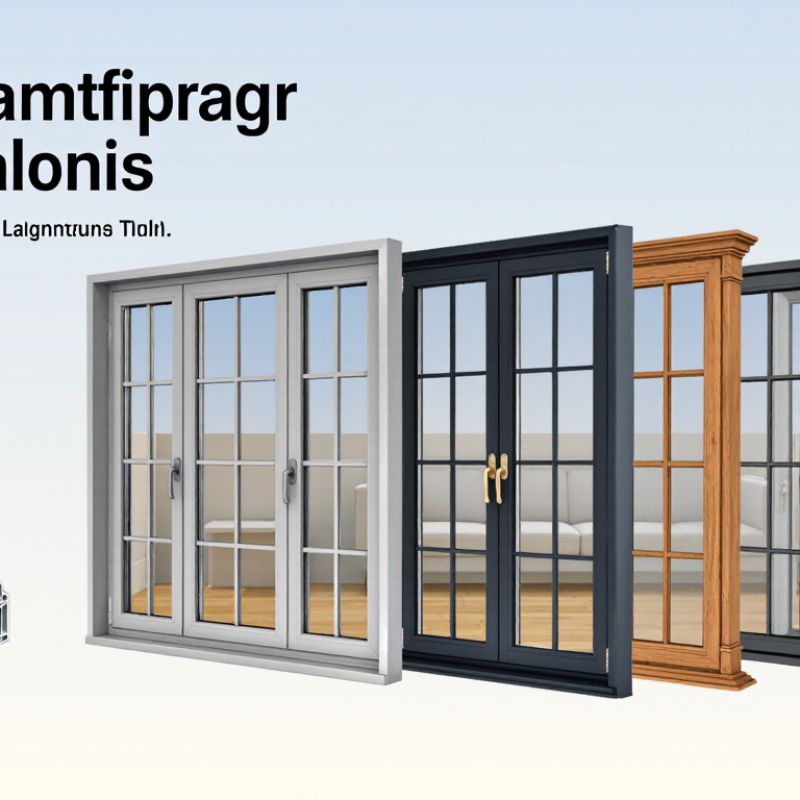
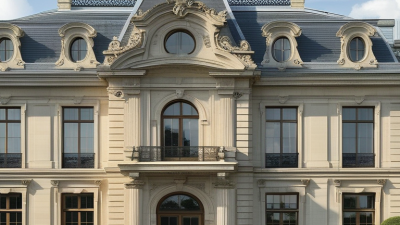
In China, “French-style window” usually describes a visual language, not one fixed technical standard. It commonly features tall, narrow casement sashes arranged in pairs, with a balanced, symmetrical appearance. Grilles across the glass can suggest traditional divided panes, though many are decorative rather than structural. Not just appearance. The term is not perfectly consistent across suppliers, so drawings and sample sections matter more than the label.
A well-made example should suit its opening, local weather, and daily use. Ask how the frame handles drainage, wind pressure, and water at exposed corners. Check the seals where the two sashes meet; that narrow joint can affect comfort and noise control. Thermal breaks and suitable glazing may help in hot summers or cold winters, but performance depends on the complete window assembly. Details matter. A narrow profile can look elegant, yet leave less room for hardware or reinforcement. Request a full-size corner sample or installed mock-up, and inspect the sightlines, handle clearance, and finish in daylight. One honest limitation: photographs rarely show how smoothly a heavy sash operates.
A practical comparison of ten product and specification checkpoints for evaluating French-style windows. “French-style” is a descriptive design term, not a single Chinese national product category or performance grade.
| Evaluation checkpoint | What defines or describes it | What to verify when comparing suppliers |
|---|---|---|
| Overall design | Usually a tall, glazed window design intended to bring in daylight and create a strong visual connection to the outdoors. The term does not prescribe one standard frame or opening arrangement. | Request dimensioned drawings and confirm that the proposed proportions suit the project opening and façade design. |
| Opening configuration | Common options include single or paired hinged casements; fixed glazed panels may also be combined with operable sections. | Check the opening direction, active and fixed panels, clear opening area, and any restrictions from furniture or nearby walls. |
| Frame material | Aluminum alloy, uPVC, timber, and composite systems are available in the market. Material alone does not determine the complete window’s performance. | Compare system drawings, frame construction, finish requirements, maintenance needs, and performance documentation for the complete window. |
| Glazing | Large glass areas are characteristic of many French-style designs. Glass make-up should be selected for the building’s climate, safety needs, and acoustic requirements. | Confirm glass type, thickness and make-up, safety-glass locations where required, and whether the stated performance applies to the complete window. |
| Thermal performance | Heat transfer depends on the whole assembly, including frame, glazing, spacers, seals, and installation—not just the glass description. | Ask for the declared or tested thermal performance of the specified window configuration and check it against project requirements. |
| Air permeability | Air leakage is affected by sash design, seals, hardware adjustment, fabrication, and installation quality. | Compare test results for the relevant product configuration. GB/T 7106-2019 provides test methods for air permeability, watertightness, and wind-pressure resistance of building exterior windows and doors. |
| Watertightness | Resistance to water penetration depends on design details, drainage paths, seals, exposure, and installation. | Check the tested result and ensure the specified performance suits the building’s exposure and local project requirements. |
| Wind-pressure resistance | The required resistance varies with building height, location, façade position, opening size, and design wind loads. | Request project-relevant calculations or test documentation; do not assume a general product description establishes suitability for every building. |
| Hardware and operation | Hinges, handles, locking points, and restrictors affect operation, security, and maintenance. Large or heavy sashes need appropriately specified hardware. | Confirm hardware compatibility with sash size and weight, opening direction, locking needs, and availability of replacement parts. |
| Standards and documentation | In China, GB/T 8478-2020 covers aluminum alloy doors and windows; the applicable product standards depend on the window material and project specification. | Check the standard edition, test report scope, product configuration, and whether the documents match the offered window rather than a different system. |
Note: The checkpoints above are comparison criteria, not a ranked list of manufacturers. Performance values and available configurations vary by product, project, and applicable local requirements.



 Get a Free Quote
 See our Doors





 Start your estimate