How to Choose French Style Windows for Your Home?
French style windows have become increasingly popular in residential design, offering timeless elegance and functionality. According to industry reports, the demand for these windows has risen by 30% over the past five years. This growth is attributed to their aesthetic appeal and energy efficiency. Homeowners are drawn to the ability of French style windows to seamlessly blend indoor and outdoor spaces.
Selecting the right French style windows for your home requires careful consideration. Factors such as materials, size, and specific features can greatly impact both appearance and performance. For instance, high-quality double-glazed options enhance insulation and energy savings. However, not all choices are straightforward. Poor installation can lead to air leaks, negating energy benefits.
Understanding the nuances of various designs and configurations is essential. While some may prefer traditional wood frames, others might opt for low-maintenance fiberglass options. Each decision should reflect personal style while keeping in mind functionality and local building codes. Making informed choices involves weighing pros and cons, and occasionally reassessing initial preferences to ensure the best outcome for your living space.
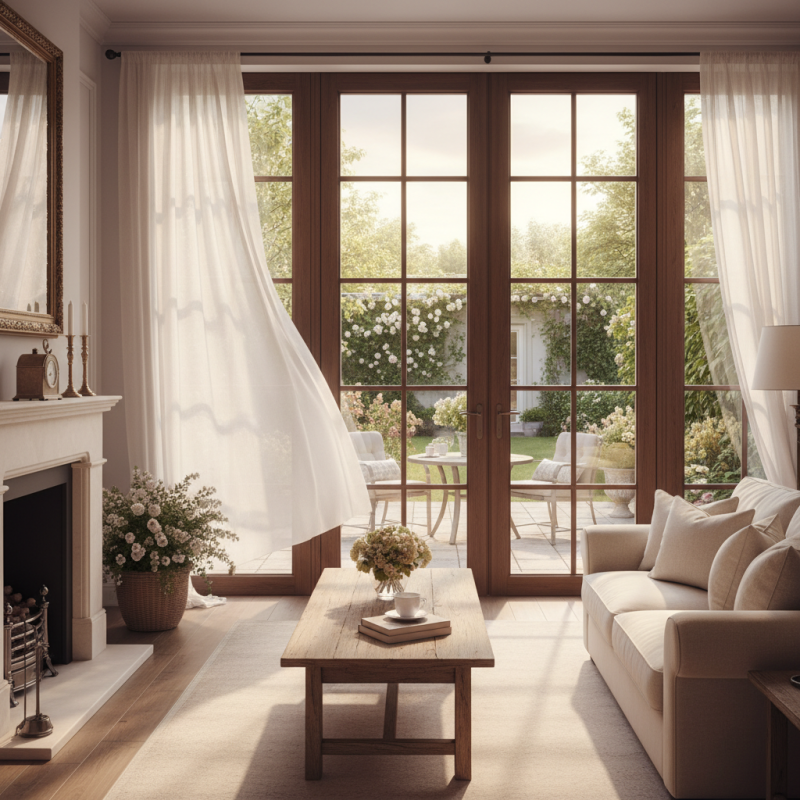
Understanding French Style Windows and Their Characteristics
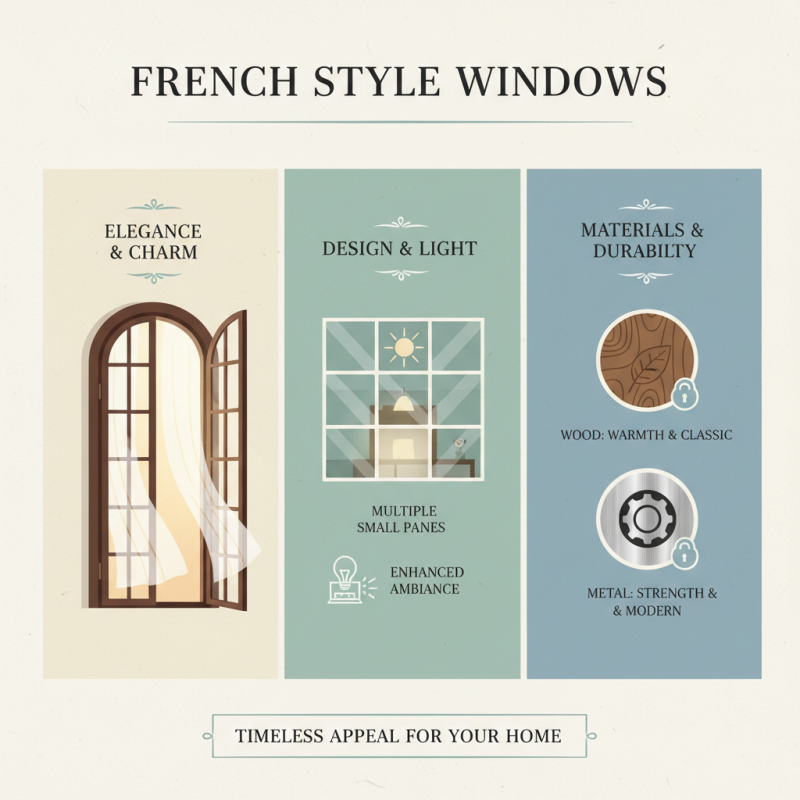
French style windows are recognized for their elegance and charm. They typically feature multiple small panes of glass. This design enhances both light and ambiance in a room. The frames are often made of wood or metal, providing durability and aesthetics. Natural materials can add warmth to your home.
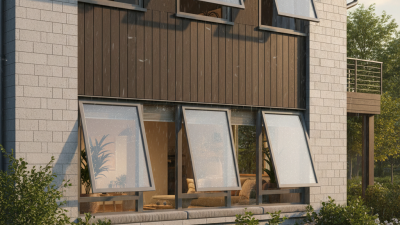
These windows come in various styles, like casement and double-hung. Casement windows open outward, offering great ventilation. Double-hung windows slide vertically, allowing for easy cleaning. Consider the architectural style of your house when selecting. A mismatched window might disrupt the overall look. Pay attention to size as well. The right dimensions can enhance the visual appeal and functionality.
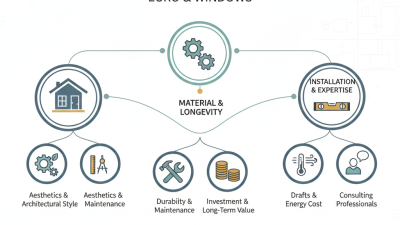
Installation can be tricky. It may require professional assistance to ensure proper fit and seal. Inadequate installation may lead to drafts or leaks. Reflect on your maintenance routine as well. Wood frames require regular painting or staining, while metal frames need less upkeep. Choosing French style windows needs careful thought about aesthetics and practicality. Evaluate your specific needs and preferences for the best outcome.
Assessing Your Home's Architectural Style for Compatibility
When selecting French style windows, assessing your home’s architectural style is crucial for compatibility. Different architectural styles, such as Colonial or Modern, have distinct characteristics. For instance, Colonial homes often feature symmetrical designs and traditional details. In contrast, Modern styles embrace clean lines and minimalism. Choosing windows that complement your home enhances its aesthetic and value.
Data from the American Institute of Architects indicates that window design can influence property value significantly. Homeowners can expect a return on investment of up to 70% with the right selection. Additionally, homes with well-matched windows report a 20% increase in curb appeal, according to a Remodeling Magazine report. This underlines the importance of assessing your home before making choices.
Consider specific elements of your home’s design. Look at the colors, materials, and other architectural features present. Ensure your windows mirror those features to create a cohesive look. It’s important to note that sometimes, homeowners might overlook minor details. Small architectural nuances can impact the overall harmony of design. Such reflections are vital when integrating new windows into existing frameworks.
Key Factors to Consider When Selecting Materials and Finishes
When selecting materials for French style windows, the choice of wood is vital. Solid hardwoods like mahogany or oak provide durability and elegance. However, they may require more maintenance. Softwoods, like pine, are cost-effective but may not resist weathering as well. Consider the climate in your area. In humid environments, vinyl or fiberglass could be wiser options due to their resistance to moisture.
Finishes also play a critical role. Paint can add color but might need frequent touch-ups. Stains highlight wood grain and offer protection, yet they can obscure the window's natural beauty over time. Clear finishes provide a natural look but may not be ideal for all wood types. It’s essential to balance aesthetics and practicality when choosing finishes. Reflect on how each option aligns with your home's style and your long-term care preferences.
Choosing French style windows should involve thoughtful consideration. What looks good initially may not hold up over time. Be sure to evaluate how different materials perform year-round. Take time to research your options and consult professionals if necessary. The right choices can enhance your home’s beauty and comfort for years to come.
Choosing Glass Options for Optimal Aesthetics and Energy Efficiency
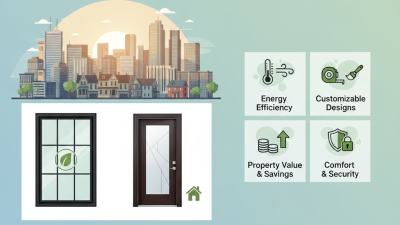
When selecting glass options for French style windows, aesthetics and energy efficiency are key factors. According to the National Fenestration Rating Council, windows account for up to 30% of a home's heating and cooling costs. Choosing the right glass can significantly impact these expenses.
Low-emissivity (Low-E) glass, for instance, reflects heat while allowing natural light in. This can enhance both comfort and savings.
Using double or triple glazing can further improve insulation. It offers significant noise reduction and prevents condensation. However, these options may create a bulkier frame, which may not suit everyone's taste. Many homeowners find that balancing functionality and style involves compromises.
Tips: Opt for argon or krypton gas fills in double glazing. They improve insulation while maintaining a sleek appearance. Consider a color tint on glass to reduce glare and heat. Always review the U-value, which measures energy efficiency. A lower U-value indicates better insulation. Evaluating local climate conditions can lead to better glass choices. An energy-efficient window enhances your home, but aesthetics shouldn't be sacrificed. Finding the perfect balance may take time and reflection.
Installation and Maintenance Tips for Long-Lasting Performance
When choosing French style windows, installation and maintenance play crucial roles in longevity.
Proper installation ensures these elegant windows function as intended. It's important to follow the manufacturer's guidelines closely.
Hiring a skilled professional can make a significant difference. An expert can help avoid common installation mistakes that may lead to issues down the road.
Regular maintenance is essential for keeping French windows in top shape. Cleaning the frames and glass regularly will prevent build-up of dirt and grime.
It's also wise to inspect the seals and weather stripping annually. These components can wear out over time. Replacing them in a timely manner can save on costly repairs later.
Here are some quick tips:
- Use a soft cloth for cleaning.
- Avoid abrasive materials.
- Check for any drafts around the windows, as this could indicate sealing issues.
- Don’t ignore small cracks; they can worsen.
Maintaining your French windows with care ensures their beauty and functionality last for years.








 Get a Free Quote
 See our Doors





 Start your estimate