Why Choose Awning Windows for Global Projects?
Global construction now demands more than attractive glass and smooth operation. It demands measurable energy performance, weather resistance, and practical ventilation. The International Energy Agency reported that buildings consumed approximately 30% of global final energy in 2022. They also produced about 26% of energy-related emissions. These figures make window selection a design decision, not a finishing detail.
Awning windows offer a useful response in many climates. Their top-hinged sash opens outward, allowing ventilation while the glass canopy helps deflect light rain. Picture a humid apartment corridor, where warm air escapes through a partially opened window. Picture a coastal office, where engineers specify tested water resistance and corrosion-resistant hardware. The U.S. Department of Energy notes that windows can influence 25% to 30% of residential heating and cooling energy use. Performance depends on the complete assembly, including glazing, frame, seals, installation, and shading.
Building-science expert Dr. Joseph Lstiburek has stated, “Water is a powerful thing.” That warning matters for awning windows. Proper flashing, drainage, and installation details remain essential. The Fenestration and Glazing Industry Alliance’s AAMA/WDMA/CSA 101/I.S.2/A440 standard provides a recognized framework for air, water, structural, and operational testing. However, global projects should not copy one specification blindly. Climate zones, wind exposure, façade orientation, local skills, and maintenance access all change the outcome. Awning windows are not perfect. Their outward projection may conflict with narrow walkways or high-rise safety requirements. Still, when engineers match the product to the building envelope, they can combine controlled airflow, daylight, and weather protection with credible performance evidence. That is the real reason to consider them globally.
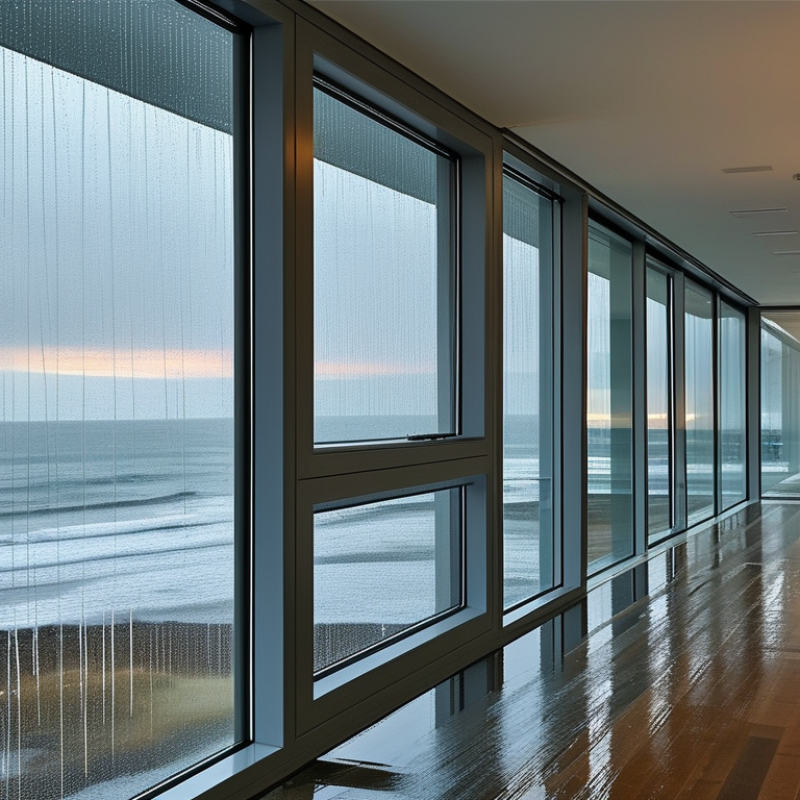
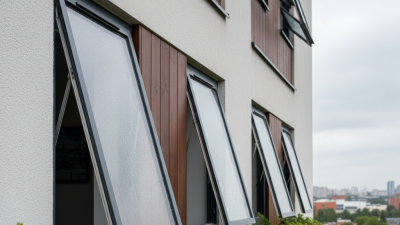
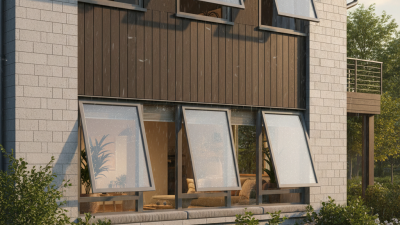
Awning windows are hinged along their top edge, so the lower sash pushes outward. An operator, often a crank or handle, controls this movement from inside. As the sash opens, its upper edge remains fixed while the bottom forms a sloped opening. This geometry helps direct airflow into a room. It can also deflect light rain when the window is partly open.
During site inspections, I look closely at hinges, seals, drainage paths, and locking points. These details determine whether the window performs reliably after repeated use. Compression seals close the gap around the sash. Drainage channels guide trapped water toward exterior outlets. Good installation matters. An uneven frame can create pressure gaps, difficult operation, or early seal wear. The mechanism is not complicated, but poor alignment exposes its weaknesses.
For global projects, this operation suits rooms needing controlled ventilation in changing climates. Awning windows can support airflow in humid coastal areas and cooler regions. However, opening size, wind pressure, glass selection, and local safety rules require project-specific review. I would not treat one configuration as universally suitable. That assumption is tempting. I have seen projects prioritize ventilation while overlooking cleaning access and maintenance height. Large openings may need stronger hardware, while exposed elevations may require limited opening angles. Small oversights can become expensive.
Awning windows suit global projects because their top-hinged sashes open outward while protecting interiors from light rain. This design supports fresh-air circulation during changing weather. A narrow opening can still release warm air near the ceiling. That matters in compact rooms and humid climates.
Durable frames, thermal breaks, and double or triple glazing improve performance across different regions. Low-conductivity frame sections reduce heat transfer around the opening. Sealed glazing helps limit dust, noise, and condensation. Reinforced hinges and multi-point locks support frequent operation. They should also resist corrosion near coastlines. Small details matter. Sloped sills and clear drainage paths move water away from the frame. Removable insect screens add comfort in warm areas without blocking ventilation.
Flexible sizing helps designers coordinate awning windows with varied wall systems and interior layouts. Opening restrictors can improve safety in high-level installations. However, large sashes may need stronger hardware and careful wind-load review. No design is perfect. A window that works well in a mild climate may require different glass or seals in a desert or cold region. Field experience shows that easy maintenance is often overlooked. Accessible hinges, replaceable seals, and clearly documented installation steps make long-term performance more dependable. Consistent factory testing helps, but site workmanship still matters. That part deserves more attention.
Awning windows suit varied climates because their top-hinged sash opens outward. The glass remains partly sheltered during light rain, allowing fresh air without soaking interior floors. This matters in humid regions, where ventilation can reduce stuffy rooms and surface condensation. The U.S. Department of Energy estimates that windows account for 25–30% of residential heating and cooling energy use, so glass selection deserves serious attention.
In hot climates, low-emissivity glazing and an appropriate solar heat gain coefficient can limit afternoon heat. In cold regions, a low U-factor helps retain indoor warmth, but poor installation can cancel the benefit. The WMO State of the Global Climate 2023 report recorded global temperatures about 1.45°C above the pre-industrial average, with more frequent weather extremes. Awning windows therefore need tested air, water, and wind resistance, not just attractive frames.
Coastal projects need corrosion-resistant hardware and careful drainage paths. Dusty areas require accessible hinges and seals, because neglected debris can prevent tight closure. In high-wind zones, outward-opening sashes may face greater pressure; local structural requirements must guide the specification. I have seen projects overvalue ventilation and undervalue shading. That is an avoidable mistake. DOE guidance also stresses professional installation and climate-appropriate glazing. Yet no window performs perfectly. Frame quality, flashing, maintenance, and wall orientation can matter as much as the window itself. References include the U.S. Department of Energy Energy Saver guidance, NFRC rating principles, and the WMO State of the Global Climate 2023 report.
Climate-based performance considerations for international building projects
| Climate or Project Condition | Primary Performance Need | How Awning Windows Perform | Recommended Glazing and Frame Strategy | Ventilation Potential | Rain and Water Management | Key Design Requirements |
|---|---|---|---|---|---|---|
| Hot and Humid High outdoor temperature, humidity and frequent rainfall |
Reduce solar heat gain while allowing controlled natural ventilation | High suitability The top-hinged sash can remain partially open during light rain, helping exhaust warm indoor air. Windows should be closed during severe storms and wind-driven rain. |
Low-solar-gain double glazing where cooling loads are significant; thermally improved frames; corrosion-resistant hardware in humid locations | High when cross-ventilation is available; outward opening improves airflow compared with fixed glazing | Good protection during light rain because the sash projects outward; use properly designed head flashings, sill drainage and perimeter seals | Provide insect screens, moisture-resistant finishes and adequate drainage. Coordinate operation with air-conditioning use to avoid unnecessary energy loss. |
| Hot and Dry Strong sunlight, large day-to-night temperature changes and low humidity |
Limit solar heat gain and reduce cooling demand | High suitability Awning windows can support nighttime or early-morning purge ventilation while remaining closed during dusty conditions. |
Low-SHGC glazing, external shading or deep overhangs; durable seals to reduce dust infiltration; thermally improved frames | High during suitable outdoor conditions; effective for night flushing when outdoor air is cooler | Rain exposure is usually lower, but drainage and seals remain necessary for occasional intense storms | Use shading on sun-exposed elevations. Select finishes and gaskets that tolerate ultraviolet radiation and large temperature swings. |
| Cold or Heating-Dominated Low outdoor temperature, snow and heating demand |
Minimize heat transfer, air leakage and interior surface condensation | High suitability Compression seals around the sash can provide effective air control when the unit is correctly manufactured, installed and adjusted. |
Low-emissivity double or triple glazing; warm-edge spacers; insulated frames; low whole-window U-factor | Moderate to high when opened, but ventilation should be controlled to limit heat loss | Keep the sash and hardware clear of snow and ice. Design the sill, flashing and drainage path to prevent trapped water and freeze-thaw damage. | Specify condensation resistance, suitable air leakage performance and hardware rated for cold-weather operation. Follow local snow and ice detailing requirements. |
| Temperate and Mixed Seasonal heating and cooling with variable rainfall |
Balance daylight, ventilation, thermal performance and weather protection | High suitability Awning windows provide flexible seasonal ventilation and can be combined with fixed glazing for daylight and view areas. |
Double glazing with a balanced U-factor and SHGC; thermally improved frames; selective use of solar-control coatings by orientation | High in mild weather; suitable for natural ventilation strategies when outdoor air quality is acceptable | Good for light rain when partially open; close during heavy rain or strong wind and use tested water-resistance assemblies | Consider orientation-specific glass selection, operable-area requirements and integration with mechanical ventilation controls. |
| Windy or Storm-Exposed High wind pressure, wind-driven rain or severe weather |
Structural integrity, air tightness, water resistance and safe operation | Conditional suitability Awning windows can perform well when engineered and tested for the project, but an open sash increases exposure to wind loads and must be closed during severe weather. |
Laminated or impact-resistant glazing where required; reinforced hardware; robust multi-point locking; tested frame and sash assembly | Good in normal conditions; limited during high winds because the sash should remain closed | Use assemblies tested for the project’s design pressure and water penetration requirements. Do not rely on the open sash as storm protection. | Obtain site-specific wind-load calculations. Follow the applicable building code, opening-protection rules and manufacturer installation instructions. |
| Coastal and Salt-Air Salt spray, high humidity, strong sunlight and corrosion risk |
Corrosion resistance, durable finishes and long-term weather sealing | Conditional suitability Performance depends heavily on hardware, fasteners, coatings, drainage and maintenance. The operating concept remains effective, but material selection is critical. |
Marine-grade or corrosion-resistant hardware; suitable powder-coated or anodized finishes; laminated or solar-control glazing as required | High in mild weather, provided wind conditions are safe | Use positive drainage, durable gaskets and carefully sealed installation joints. Rinse exposed components periodically where maintenance access permits. | Specify corrosion classifications, compatible metals and a maintenance schedule. Avoid dissimilar-metal contact that can accelerate galvanic corrosion. |
| Urban and High-Occupancy Buildings Noise, air pollution, limited façade space and safety requirements |
Acoustic comfort, controlled ventilation, safety and reliable operation | Medium to high suitability Closed awning windows can provide good perimeter sealing when properly fabricated. Natural ventilation should be controlled when outdoor air quality or noise is poor. |
Laminated acoustic glazing where needed; low-emissivity coatings; restricted opening hardware or safety stays in applicable locations | High when outdoor air quality and noise levels are acceptable | Use tested seals and drainage details; manage open-window operation during rain, pollution events and high wind | Coordinate with acoustic, fire-safety, fall-protection and ventilation requirements. Consider sensors or building-management controls for larger projects. |
Note: Actual performance depends on the complete window system, glazing, frame material, hardware, installation quality, building orientation and local code requirements. U-factor, SHGC, air leakage, water penetration and structural ratings should be selected from independently tested project-specific data.
When selecting awning windows for a global project, start with the building’s actual climate, not a generic product sheet. These top-hinged units can ventilate rooms during light rain, while their outward sash helps direct airflow. Yet performance changes with wind exposure, salt, dust, and seasonal temperature swings. A window suitable for a sheltered city site may fail beside an open coastline. Review local energy, fire, safety, accessibility, and egress requirements with qualified professionals.
Project teams should compare whole-life performance. Check air leakage, water resistance, wind-load ratings, thermal transmittance, solar control, and acoustic results. Ask whether the test methods match the destination’s standards. Glazing choice matters. Low-emissivity glass may reduce heat loss, while solar-control glass can limit summer gains. Frame materials also need scrutiny, especially where humidity or salt spray accelerates corrosion. Small hinges matter too. They affect cleaning, replacement, and long-term reliability.
Installation planning is equally important. Confirm opening sizes, sill drainage, sealant compatibility, fixing zones, and local installer skills before ordering. Keep spare hardware available when international shipping is slow. Clear maintenance instructions should use the local language and practical diagrams. In field reviews, poor flashing often causes more trouble than the window itself. That detail is easy to miss. I would also challenge optimistic forecasts: real ventilation depends on occupants opening and maintaining the sash. A pilot installation, monitored through one wet and one hot season, can expose design assumptions before they spread across a large project.
What should global projects consider when selecting awning windows?
Awning windows can support global projects by combining top-hinged ventilation with improved rain protection when partially open. Selection should be based on independently tested performance rather than appearance alone.
The chart presents published reference ranges commonly used when specifying efficient windows: lower U-factor generally indicates better insulation, SHGC should be matched to solar exposure and climate, and lower air leakage can improve comfort and energy performance. Local building codes, wind loads, water-resistance requirements, glazing design, and installation quality must also be verified for each project.
Reference data: U.S. Department of Energy guidance for low-emissivity windows indicates typical U-factors of 0.20–0.40 Btu/h·ft²·°F and SHGC values of 0.25–0.40. The 0.30 cfm/ft² air-leakage value is a commonly used maximum performance threshold for certified residential windows. Values are reference ranges, not universal code requirements.
Awning windows suit global projects because their top-hinged sash opens outward, even during light rain. Installation starts with accurate opening measurements and a level, square frame. Installers should check the wall structure before fixing the unit. Small alignment errors can cause uneven operation and air leakage. A continuous weather barrier must connect with the window flashing. Sealant should be compatible with the frame and surrounding materials. Field experience shows that rushed flashing work creates problems months later.
Maintenance is simple, but it is not optional. Clean the frame, screen, and drainage paths twice a year. Remove dust from hinges and inspect the operators for looseness. Apply a suitable lubricant sparingly. Never block the exterior drainage openings. In coastal or dusty regions, inspections may need to happen more often. Evaluation should include operation, visible gaps, water resistance, ventilation, and indoor comfort. Thermal performance also matters in different climates. A window can look excellent yet perform poorly after incorrect installation. That possibility deserves honest attention.
Tips: Open and close each sash before final handover. Check the locking points by touch. Spray water gently around the frame during inspection. Record photographs and measurements for future maintenance. Keep spare hardware information with the project documents. Do not rely on appearance alone. A perfect inspection is unlikely, and overlooked details should be corrected early.
Call us one of our 3 offices across Ontario, Canada
Thanks for contacting us!
We'll get back to you as soon as possible.