What are Awning Windows and Why Choose Them for Your Home?
Awning windows are a popular choice for homeowners seeking both style and functionality. Renowned expert in window design, Sarah Mitchell, once stated, "Awning windows enhance ventilation while offering protection from rain." These windows hinge at the top and open outward, making them ideal for rainy climates. This feature allows fresh air to flow in while keeping water out, a practical solution for many homes.
Many homeowners may overlook the benefits of awning windows. However, their unique design contributes to better airflow and natural lighting. They can be paired with stationary windows for a stunning visual effect. These windows also provide security, as they are harder to access from the outside. For anyone considering a home upgrade, exploring awning windows could be worthwhile.
Choosing awning windows requires reflection on your home’s needs. Consider your local climate, aesthetics, and energy efficiency. These windows can elevate both comfort and aesthetics. Thus, it’s important to choose wisely.
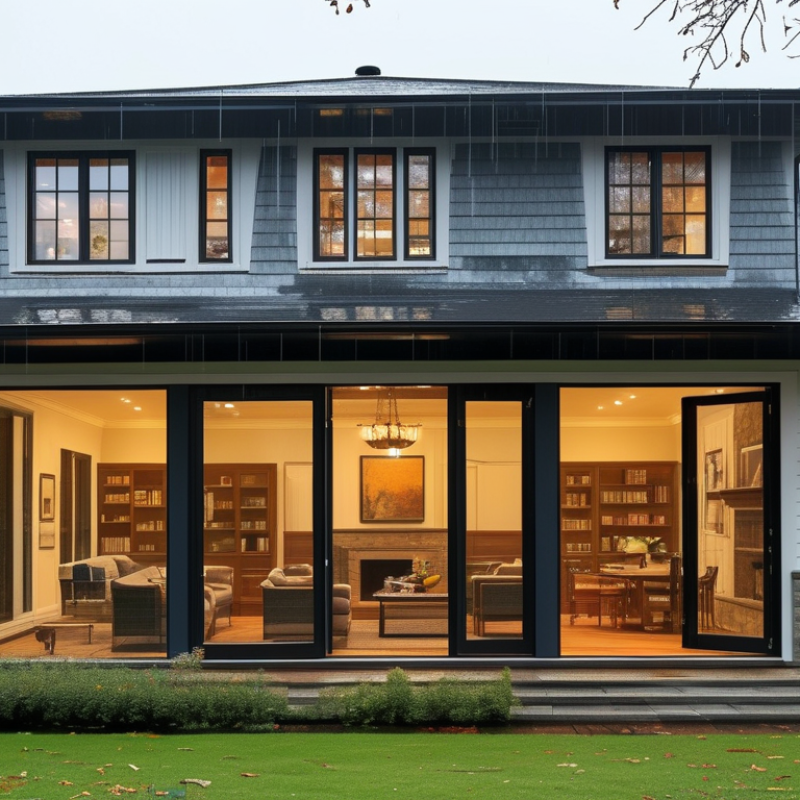
What are Awning Windows and Their Unique Design Features
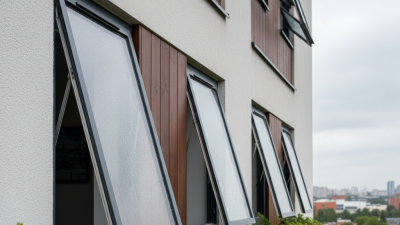
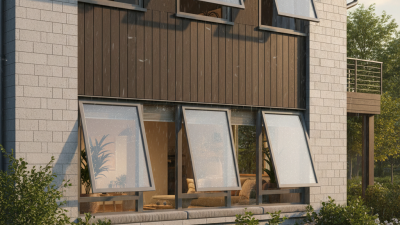
Awning windows are a unique option for homeowners looking to enhance both functionality and aesthetics. These windows are hinged at the top and open outward, allowing for excellent ventilation while protecting against rain. Their design offers an added layer of privacy and style, making them an appealing choice for various home styles. They pair nicely with other window types, creating a dynamic visual appeal.
When selecting awning windows, consider the materials. Options range from wood to aluminum, each with unique benefits. Wooden frames provide warmth and natural beauty, while aluminum offers durability and a modern edge. Think about the climate too. In areas with heavy rainfall, awning windows can keep your indoor space dry while allowing fresh air in.
Location matters. Positioning these windows to catch breezes can improve airflow in your home. If overhanging structures are nearby, that could limit success. Regular maintenance is crucial. Cleaning the hinges and ensuring the seals are intact will maximize their lifespan. Awning windows can be a practical addition but require thoughtful planning and care to ensure they meet your needs.
Advantages of Choosing Awning Windows for Residential Properties
Awning windows are a unique choice for homeowners looking to enhance both functionality and aesthetic appeal. Their design allows for ventilation even during rain. This feature helps keep your home dry while still letting in fresh air. Many homeowners appreciate this benefit, especially in regions with variable weather.
One significant advantage of awning windows is their energy efficiency. They can provide excellent insulation when closed. This design minimizes drafts, which can reduce heating and cooling costs. Additionally, the placement of these windows can offer unobstructed views. They can be used in hard-to-reach areas, making them practical for kitchens and bathrooms.
However, it’s important to consider the potential downsides. Some may find the opening mechanism cumbersome. Regular maintenance is necessary to ensure smooth operation. Aesthetic preferences vary, and awning windows may not suit all home styles. Balancing these factors is essential when making a decision. Overall, they can be a valuable addition to many homes.
Energy Efficiency: The Impact of Awning Windows on Home Insulation
Awning windows are a unique style of window that open outward from the bottom. This design allows for ventilation even during rain. The shape is also efficient at directing airflow into your home. When considering energy efficiency and insulation, awning windows can be a strong choice.
One significant advantage of awning windows is their ability to minimize heat loss. The angled design works with the wind, creating an insulating effect. They fit tightly when closed, reducing drafts and keeping homes warm in winter. However, not all installations are perfect. Improper sealing during installation can lead to air leaks, which can compromise insulation.
Energy-efficient windows can lower utility bills over time. With the right materials, awning windows can enhance thermal performance. Choosing high-quality glass can further boost energy savings. It’s smart to weigh the benefits of this style against any installation challenges. Ensuring expert installation is key to maximizing their effectiveness. Properly installed awning windows bring both beauty and insulation to your home.
Ideal Climate Conditions for Installing Awning Windows
Awning windows are versatile options for homes, especially in specific climates. Their unique design makes them effective in various weather conditions. For homes in regions with frequent rainfall, awning windows act as shields. They allow for ventilation while keeping rain out, making them ideal for areas with an average of 30 inches of rainfall each year.
In warmer climates, these windows can provide a refreshing breeze when properly oriented. Research shows that homes with properly placed awning windows can reduce the need for air conditioning by up to 15%. This can lead to substantial savings on energy bills. In contrast, during colder months, awning windows help in energy efficiency, maintaining interior warmth without unnecessary heating.
However, not all climates suit awning windows equally. In regions where extreme winds or severe storms are common, one must consider potential vulnerabilities. It's essential to assess local weather patterns before installation. Balancing benefits with potential risks ensures the best decision for your home's comfort and safety.
Maintenance Tips for Maximizing the Lifespan of Awning Windows
Awning windows are a popular choice for many homes, providing excellent ventilation and protection from rain. To maintain their functionality and extend their lifespan, it's essential to follow specific care practices. Regular cleaning is crucial. Dust and debris can accumulate in the frames and sashes, leading to operational issues. An annual cleaning with mild soap and water can prevent long-term damage.
Another key aspect of maintenance is inspecting the seals and weather stripping. These components ensure energy efficiency by keeping drafts at bay. If worn out, they can lead to increased energy bills. Regularly checking and replacing these parts not only enhances comfort but also prolongs the window's life. Industry data suggests that proper sealing can improve energy efficiency by 15-30%.
Lubricating the hinges and operating mechanism is vital too. This simple task helps prevent sticking or breakage over time. A few drops of silicone lubricant can do wonders, ensuring smooth operation. Homeowners often overlook this step, leading to unnecessary wear.
Incorporating these maintenance practices can help you enjoy the benefits of your awning windows for years. Ensure that you remain proactive in caring for these essential features of your home.











 Get a Free Quote
 See our Doors





 Start your estimate