Choosing the best large windows from China requires more than comparing frame prices or impressive showroom photographs. Large windows must balance daylight, thermal comfort, structural safety, ventilation, and long-term maintenance. A beautiful glass wall can still perform poorly in a cold climate or during strong summer heat.
Lighting designer Richard Kelly wrote, “Light is the key to all visual experience.” His observation explains why homeowners and architects choose large windows. They can brighten deep rooms, connect interiors with gardens, and make compact spaces feel more open. However, daylight becomes uncomfortable when glazing lacks suitable solar control. The room may look elegant, yet feel hot beside the glass.
Reliable Chinese manufacturers usually provide several frame options, including thermally broken aluminum, uPVC, and aluminum-clad systems. The right choice depends on climate, building orientation, opening size, and installation quality. Look for low-E insulated glass, warm-edge spacers, effective drainage, reinforced hardware, and verified air, water, and wind testing. For oversized units, structural calculations matter. Tempered or laminated safety glass may also be appropriate.
This guide examines product quality, customization, energy performance, and supplier reliability. It also considers export experience and documentation. Certifications can help, but they do not replace independent testing or careful factory inspection. That part is often underestimated.
There is no single “best” window for every project. A coastal home, a mountain villa, and an urban apartment need different specifications. Some product claims may sound convincing, but they deserve evidence. By comparing technical details with real project experience, buyers can make a more confident decision about large windows from China.
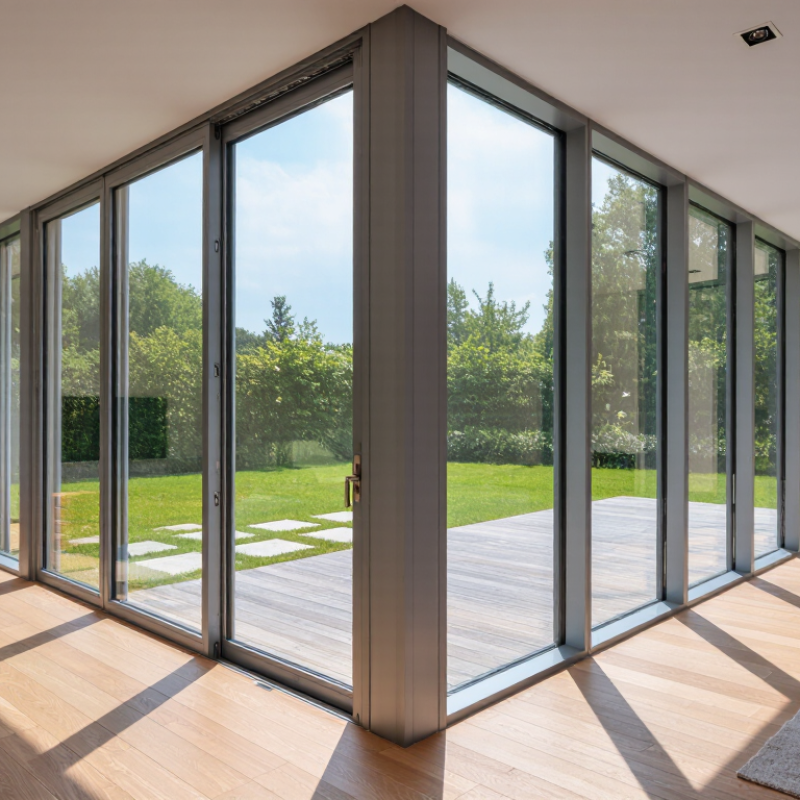
A large window is not defined by one universal measurement. In practice, it may mean a floor-to-ceiling unit, a wide sliding system, or glazing above 2.5 square meters. The frame, glass, hardware, and installation method must work together. Otherwise, impressive dimensions can create air leakage, water entry, or difficult operation. The U.S. Department of Energy reports that windows can account for 25–30% of a home’s heating and cooling energy use. That makes thermal performance more important than appearance alone.
Chinese manufacturers are often chosen for flexible sizing, aluminum fabrication, and customized glazing options. Look for thermal-break frames, low-emissivity glass, warm-edge spacers, and multi-point locking hardware. Ask for tested U-factor, solar heat gain coefficient, visible transmittance, air leakage, and water resistance. NFRC procedures and standards such as ASTM E283 provide useful reference points. ISO 10077-1 also supports thermal-transmittance calculations for windows and doors.
Documentation matters. Request drawings, glass specifications, test reports, and installation details before production. A factory sample is not enough. Site conditions can change everything, especially with coastal wind, heavy rain, or uneven openings. I have seen attractive large windows fail through poor drainage planning. That lesson is easy to miss. Chinese production can be highly capable, but quality still depends on engineering review, inspection, packaging, and controlled installation. The best choice is not simply the biggest window; it is the largest tested system suitable for the building’s climate and structure.
Large windows from China come in several practical designs. Sliding windows save interior space and suit balconies or compact rooms. Casement windows open outward and usually provide stronger ventilation. Tilt-and-turn windows offer two opening positions, which helps with cleaning and controlled airflow. For wide living areas, lift-and-slide systems create broad glass openings with less visible framing. Fixed picture windows deliver daylight, but they cannot provide ventilation.
Material selection changes both performance and appearance. Thermally broken aluminum frames offer strength for oversized panels and demanding weather conditions. uPVC frames can provide good insulation at a lower cost. Wood-aluminum designs add warmth indoors, though they require more careful maintenance. Low-emissivity double glazing is common, while triple glazing suits colder climates and noise-sensitive locations. Bigger glass is not automatically better.
The U.S. Department of Energy reports that windows can cause 25–30% of residential heating and cooling energy use. UNEP and GlobalABC also reported that buildings consumed about 30% of global energy in 2022.
These figures make glass specification important. Buyers should request tested U-values, air leakage, water resistance, and wind-load results.
Installation quality matters just as much. A strong window can still leak around an uneven opening.
In my view, suppliers sometimes emphasize frame size while understating drainage details. That deserves closer review.
What Are the Best Large Windows from China?
Large windows from China can perform well when their materials and glass specifications match the building’s climate. Aluminum frames offer slim sightlines, strong structure, and good resistance to moisture. However, standard aluminum conducts heat quickly. Thermal breaks are essential for energy efficiency. uPVC frames provide better insulation and often reduce condensation near cold edges. Timber-aluminum systems feel warmer indoors, but they require stricter moisture control and careful finishing.
Glass selection affects comfort more than many buyers expect. Double glazing suits moderate climates, while triple glazing benefits cold regions and noisy urban areas. Low-E coatings reduce heat transfer, but the coating position must match the climate. Laminated glass can improve sound control and safety. Tempered glass handles impact better, yet it cannot be cut after treatment. Warm-edge spacers may reduce condensation around the glass perimeter. A lower U-value is not automatically better. Solar heat gain, visible light, frame strength, and ventilation still matter.
Tips: Request complete U-value, air, water, and wind-load data. Check whether performance figures cover the whole window or glass only. Inspect corner joints, drainage paths, gaskets, and hardware samples. Test one full-size unit before placing a large order. Small details matter. I have seen attractive window walls lose performance through weak seals and poor installation. Sometimes, the specification looks excellent on paper but needs practical revision.
Materials, glass options, and performance features should be evaluated together when selecting large windows. The chart compares representative center-of-glass performance for common glazing configurations used in large architectural windows.
Lower U-value indicates better insulation. SHGC represents the fraction of solar heat admitted, while visible transmittance indicates the amount of daylight passing through the glass. Actual results vary with frame material, spacer design, coating, gas fill, window size, and certified testing conditions.
Customization needs precise information. Provide opening sizes, wall conditions, climate data, colors, glass requirements, and installation methods. Request shop drawings before production. Check every measurement, including diagonal dimensions and frame tolerances.
Large glass panels need careful structural calculations, especially in windy or coastal areas. Ask whether the supplier performs air, water, and wind-pressure testing through qualified facilities. Certificates matter, but test reports should match the actual window system.
Communication reveals practical reliability. Can the technical team answer questions without vague promises? Do they confirm revisions in writing?
A useful supplier should send material samples, corner sections, packing details, and a quality-control schedule. Inspectors can check glass edges, surface scratches, welds, seals, and hardware operation before shipment.
Cheap quotations can hide thinner frames or weaker fittings. I have seen drawings look excellent while small installation details remained unclear. That is a warning.
Leave room for improvement. Even experienced buyers sometimes overlook site access, lifting equipment, or replacement parts. A small prototype installation may cost more at first, but it can expose serious problems before the full order.
Large windows from China can perform well, but ordering requires more than comparing catalog prices. The U.S. Department of Energy reports that windows may cause 25–30% of residential heating and cooling energy use. Ask suppliers for tested U-values, solar heat gain coefficients, air-leakage results, and water-penetration data. Request a full-size sample, not only photographs. Check frame joints, gasket pressure, drainage holes, glass spacing, and hardware movement. A factory report helps. It does not replace independent verification.
Quality control should include approved drawings, dimensional tolerances, glass specifications, and inspection photographs before packing. For tall units, measure diagonal differences and corner squareness. Small errors become obvious during installation. The 2023 International Energy Agency buildings report highlights the importance of efficient building envelopes, yet field workmanship can reduce expected performance. I would recheck everything. Perfect paperwork can still hide a weak seal.
Shipping needs a moisture-resistant crate, edge protection, identification labels, and shock indicators. The 2023 UNCTAD Review of Maritime Transport notes continuing disruption risks across global shipping routes, so schedule space and customs documents early. Confirm the packed dimensions, gross weight, insurance, and unloading equipment. During installation, follow the approved rough-opening size and local building code. Use compatible flashing, pack the frame at anchor points, and avoid over-tightening fasteners. The window must drain. A beautiful unit can fail quickly when the sill slopes inward.
Call us one of our 3 offices across Ontario, Canada
Thanks for contacting us!
We'll get back to you as soon as possible.