Top Trends in Residential Windows for 2025 You Need to Know
As we look ahead to 2025, the world of residential windows is poised for significant transformation, driven by advancements in technology, sustainability, and design. Residential windows are not merely functional elements of a home; they play a crucial role in enhancing energy efficiency, aesthetic appeal, and security. With increasing attention on environmental concerns and energy conservation, homeowners are becoming more discerning about their choices, seeking windows that align with eco-friendly practices while offering superior performance.
The upcoming trends in residential windows reflect this shift towards innovation and sustainability. From energy-efficient glazing options to smart window technologies that integrate seamlessly with home automation systems, the industry is evolving to meet the demands of modern homeowners. Furthermore, the aesthetic aspects of residential windows are gaining prominence, with designs that not only provide visual appeal but also cater to individual preferences and architectural styles. In this exploration of the top trends in residential windows for 2025, we will delve into the key advancements and considerations that homeowners and builders alike need to know to enhance their living spaces while prioritizing sustainability and efficiency.
Innovative Materials Shaping the Future of Residential Windows
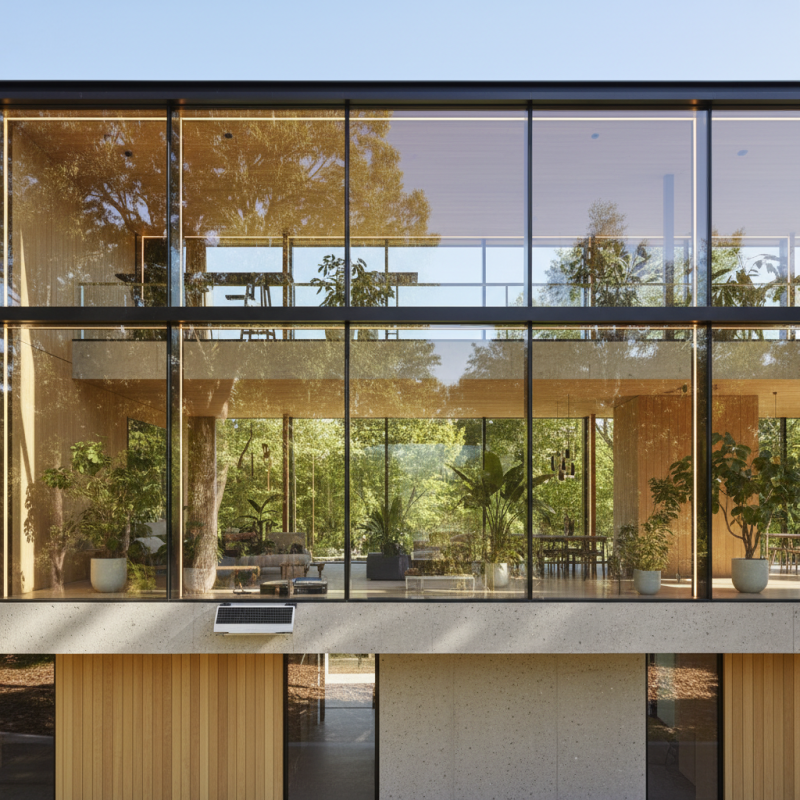
As we look toward 2025, the landscape of residential windows is being transformed by innovative materials that not only enhance aesthetic appeal but also improve functionality. Advanced glazing technologies, including triple-glazed and low-E (low-emissivity) coatings, are at the forefront of this evolution. These materials offer superior insulation, reducing energy costs and enhancing comfort within the home. The transition to lighter, more durable frames made from composite materials further complements these glass technologies, allowing for larger windows that maximize natural light while maintaining structural integrity.
In addition to energy efficiency, sustainability is a significant trend driving the development of residential windows. Materials such as recycled aluminum and sustainably sourced wood are becoming increasingly popular, appealing to environmentally conscious homeowners. Innovations in manufacturing processes also focus on reducing waste and lowering the carbon footprint of windows. Furthermore, the integration of smart technologies into window systems, such as self-tinting glass and automated shading solutions, enhances the functionality of residential windows, providing homeowners with greater control over light and privacy. These advancements suggest a future where residential windows are not just functional components, but integral elements of smart, energy-efficient homes.
Top Trends in Residential Windows for 2025
The chart above illustrates the projected adoption rates of key trends in residential windows for 2025. Energy efficiency leads the way with a significant margin, followed by smart technology innovations. Sustainable materials, noise reduction strategies, and customization options also show notable interest among homeowners.
Energy Efficiency Standards and Their Impact on Design
As we approach 2025, energy efficiency standards are set to redefine the residential window market significantly. With a growing emphasis on sustainable living and reduced carbon footprints, these standards will not only influence the materials and construction techniques used but also the overall design aesthetics of windows. Innovative glazing technologies and advanced frame materials will be at the forefront, enabling homeowners to achieve optimal thermal performance while maintaining visual appeal.
The impact of stricter energy efficiency regulations extends beyond functionality; it enhances the overall architectural design of residential buildings. Home designers and architects are increasingly tasked with balancing aesthetics and compliance, leading to the emergence of windows that serve as both practical solutions and striking visual elements. Expect to see larger, strategically placed windows that maximize natural light, combined with smart technologies that self-regulate heating and cooling, thus contributing to the home’s energy efficiency while offering a modern look. This evolution reflects a broader shift toward integrating environmental responsibility into the fabric of residential architecture.
Smart Technology Integration in Modern Window Solutions
As we move toward 2025, the integration of smart technology in residential windows is set to revolutionize the way homeowners interact with their living environments. Modern window solutions are increasingly being designed with advanced sensors and smart features that allow for remote control and automation. These innovations enable users to adjust lighting, temperature, and even air quality through intuitive smartphone applications, enhancing both comfort and energy efficiency.
Moreover, the incorporation of smart technology extends beyond mere convenience. Many new window systems are equipped with integrated solar energy solutions, allowing homeowners to harness the sun's power, reduce energy costs, and contribute to a more sustainable lifestyle. The use of automated tinting technology can also help regulate heat and glare, improving indoor comfort while promoting the natural climate control of the home. As these technologies evolve, residential windows will not only serve as essential structural components but also as vital players in smart home ecosystems, creating a seamless link between comfort, efficiency, and modern living.
Sustainable Practices in Window Manufacturing and Installation
As we move towards 2025, sustainable practices in window manufacturing and installation are becoming increasingly essential in residential construction. With a growing emphasis on energy efficiency, manufacturers are exploring innovative materials that not only enhance durability but also minimize environmental impact. For instance, recycled materials are increasingly being utilized, allowing homeowners to reduce their carbon footprint while still enjoying stylish and functional windows.
When considering new windows for your home, it’s important to look for products that meet stringent energy standards. ENERGY STAR certified windows, for example, often feature advanced glazing technologies that improve insulation while reducing energy consumption. Moreover, many manufacturers are adopting eco-friendly production practices, such as reducing waste and utilizing renewable energy sources in their facilities.
Tips for homeowners:
1. Look for local manufacturers that prioritize sustainable practices and offer eco-friendly products. Supporting local businesses can further reduce the environmental impact associated with transportation.
2. Consider installing windows with low-emissivity (Low-E) coatings, which can significantly decrease heating and cooling costs by reflecting heat while allowing natural light in.
3. Don’t forget about proper installation; even the best windows can lose their energy efficiency if not installed correctly. Invest in professional services to ensure optimal performance and longevity.
Top Trends in Residential Windows for 2025 You Need to Know
| Trend |
Description |
Sustainability Aspect |
Installation Type |
Projected Impact |
| Triple Glazing |
Windows with three layers of glass for enhanced insulation. |
Higher energy efficiency, reduced heating costs. |
New Installations and Retrofits |
Expected to decrease energy consumption by up to 30%. |
| Smart Windows |
Windows that adjust tint based on sunlight exposure. |
Reduces need for artificial cooling and heating. |
New Installations |
Can reduce HVAC energy use by 15-20%. |
| Recycled Materials |
Use of recycled vinyl and aluminum in window frames. |
Minimizes waste and lowers the carbon footprint. |
Retrofits and New Installations |
Promotes circular economy benefits. |
| Low-E Glass |
Glass coated with a transparent metal oxide to reflect heat. |
Improves energy efficiency by minimizing heat transfer. |
New Installations |
Can save homeowners up to 20% on energy bills. |
| Modular Windows |
Prefabricated windows for quicker assembly and reduced waste. |
Less on-site labor and materials waste. |
New Installations |
Increases efficiency and reduces installation time by 25%. |
Aesthetic Trends: Design Innovations in Residential Windows for 2025
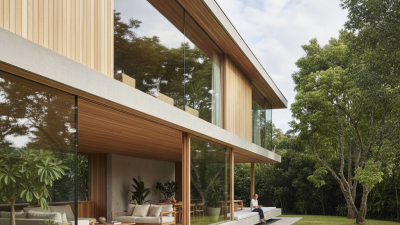
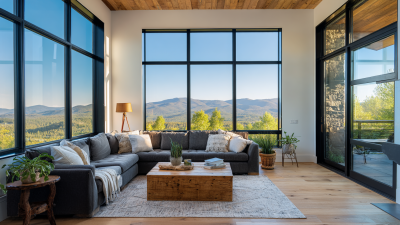
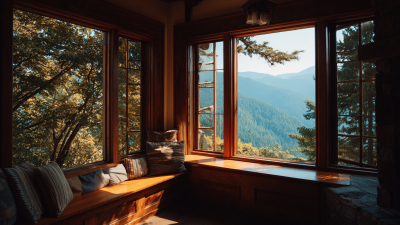
Design innovations in residential windows for 2025 are poised to redefine aesthetics while enhancing functionality. One notable trend is the shift towards oversized windows that create seamless transitions between indoor and outdoor spaces. This trend embraces natural light, making homes feel more spacious and connected to the environment. Instead of traditional designs, architects are increasingly opting for expansive glass panels that not only serve a practical purpose but also act as stunning design features that enhance the overall look of the home.
In addition to size, the aesthetic appeal of window frames is evolving. Homeowners are gravitating towards minimalist designs with sleek lines and bold colors, allowing windows to become focal points rather than mere additions. Materials such as matte black aluminum and natural wood finishes are gaining popularity, providing a modern yet warm appearance. Furthermore, innovative glazing options are increasingly being integrated, such as stained, frosted, or tinted glass, which not only adds character but also increases privacy without sacrificing natural light. Overall, the focus is on creating windows that reflect individual style while harmonizing with the broader architectural vision of the residence.







 Get a Free Quote
 See our Doors





 Start your estimate