When it comes to home improvement, the art of installing doors and windows can often seem daunting. Yet, mastering this skill not only enhances the aesthetic appeal of your home but also improves energy efficiency and security. James Carter, a seasoned contractor with over 15 years of experience in the home renovation industry, emphasizes the importance of this task: "To install doors and windows properly is to create a lasting impression and functionality that stands the test of time."
In this comprehensive guide, we will share the top 10 tips that will enable you to install doors and windows like a pro. Whether you are a budding DIY enthusiast or a seasoned homeowner looking to refresh your space, understanding the foundational aspects of installation can make a significant difference. From selecting the right materials to ensuring precise measurements and proper sealing, these essential insights will pave the way for a successful project. Get ready to elevate your home improvement skills as we delve into expert advice to help you install doors and windows with confidence.
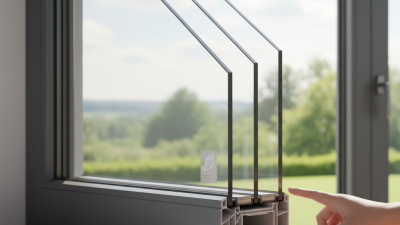
When considering new doors and windows for your home, understanding the various types available is crucial. Each type offers distinct benefits, aesthetics, and functionalities that can impact your home's overall look and energy efficiency. For instance, casement windows are known for their ease of use and excellent ventilation, while double-hung windows provide a classic appeal and versatility. Similarly, solid wood doors elevate the elegance of a home, while fiberglass doors combine durability with low maintenance.
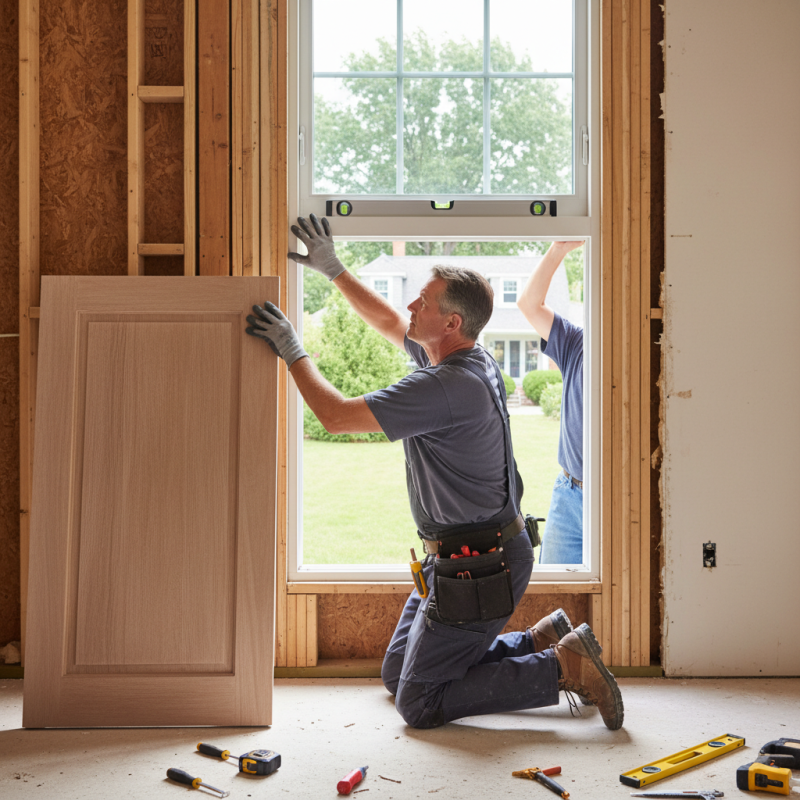
When installing these features, taking specific tips into account can help you achieve a professional finish. First, ensure that you measure accurately before making any purchases. Inadequate measurements can lead to gaps or the need for additional adjustments. Next, always use the appropriate tools and materials for your installation, such as shims to level your doors and windows, providing a snug fit that minimizes drafts. Consider installing insulation around the frames to enhance energy efficiency, keeping your home comfortable year-round.
Lastly, don’t forget about aesthetics. The color and style of your doors and windows should complement the architectural aspect of your home. A well-chosen door can serve as a stunning focal point, whilst the right window style can enhance curb appeal. By understanding your options and considering these installation tips, you can transform your home with professional-looking results.

When it comes to installing doors and windows, having the right tools on hand is essential for achieving a professional finish. First and foremost, a good quality measuring tape is indispensable for accurate measurements. This ensures that your new installations fit perfectly within the designated openings. Additionally, a level is crucial, as it allows you to check that your doors and windows are plumb and square, preventing future issues with functionality or aesthetics.
Another vital tool is a cordless drill, which can expedite the installation process significantly. This versatile equipment is perfect for driving screws and securing frames firmly in place. Along with this, a saw—whether manual or power—will be necessary for cutting materials to the appropriate size. Finally, don’t overlook the importance of safety gear. Items such as gloves, goggles, and knee pads are essential to protect yourself while working. With the right tools and equipment, you can tackle door and window installations confidently and effectively, emulating the skill level of a pro.
When preparing to install doors and windows, accurate measuring and marking are crucial steps that can significantly impact the success of your project. According to the National Association of Home Builders, as much as 40% of installation errors stem from improper measurements. This statistic underscores the importance of investing time in ensuring that all dimensions are precise. A reliable measuring tape and a level are your best friends in this process; these tools help you ascertain that the door or window frames will fit perfectly within the allocated spaces.
Once you have your measurements, marking becomes the next essential step. Using a sharp pencil or a chalk line will enable you to make clear, visible marks on your surfaces. A report from the American Institute of Architects highlights that expenditure on home improvement projects inclined towards enhancing the aesthetic appeal – including door and window upgrades – has seen a consistent rise of about 25% annually. With this in mind, it’s even more critical to ensure that your door and window installations are executed flawlessly. Proper marking will not only guide your installation but also ensure that your design vision is brought to life without unsightly gaps or misalignments. When accuracy is prioritized from the outset, the rest of the installation process becomes significantly simpler and more efficient.
Ensuring accurate measurements is crucial for successful door and window installation. This chart illustrates common measurement techniques used by professionals and their accuracy levels, highlighting the importance of each method in achieving precise installations.
When it comes to installing doors and windows, a professional touch can dramatically enhance your home's aesthetic and energy efficiency. According to the National Association of Home Builders, proper installation can lead to energy savings of up to 30%, highlighting the importance of executing these tasks correctly. Start by measuring your door or window frame accurately; a miscalculated dimension can lead to leaks and inefficiencies. Use a level to ensure the structure is perfectly straight before securing it in place.
One essential tip is to select the right materials for your installation. High-quality weatherstripping can provide an effective seal, which is crucial for preventing drafts and moisture ingress. Additionally, when installing doors, make sure to use shims to keep the door level in the frame. This step is vital, as a door that is not properly aligned can cause operational issues over time and lead to unnecessary wear on the hinges.
In terms of procedure, begin by removing any existing hardware and preparing the rough opening before placing the new door or window. Once in position, apply a suitable sealant around the edges, ensuring a watertight installation. The U.S. Department of Energy emphasizes that around 10-15% of a home’s energy loss can occur through inefficient windows and doors, underscoring the significance of meticulous installation that can save homeowners both energy and costs in the long run.
| Tip Number | Tip Description | Estimated Time | Skill Level |
|---|---|---|---|
| 1 | Measure the opening correctly to ensure a perfect fit. | 30 minutes | Beginner |
| 2 | Choose quality doors and windows that complement your home. | 1 hour | Beginner |
| 3 | Gather all necessary tools and materials before starting. | 15 minutes | Beginner |
| 4 | Install a level to ensure the door or window is straight. | 20 minutes | Intermediate |
| 5 | Use insulating foam to seal gaps and improve energy efficiency. | 30 minutes | Intermediate |
| 6 | Check the manufacturer’s guidelines for installation procedures. | 15 minutes | Beginner |
| 7 | Ensure proper alignment between the door/window and the frame. | 25 minutes | Intermediate |
| 8 | Install hardware and check functionality before sealing. | 40 minutes | Intermediate |
| 9 | Finish with caulking to ensure a weather-tight seal. | 30 minutes | Beginner |
| 10 | Regularly inspect and maintain installed doors and windows. | Ongoing | All levels |
Installing windows properly is crucial not only for aesthetic appeal but also for achieving energy efficiency and structural integrity. According to a report by the U.S. Department of Energy, windows account for about 25% to 30% of residential heating and cooling energy usage. Therefore, ensuring a tight and secure fit is essential to minimize air leaks and maximize insulation. Properly installed windows can significantly reduce energy bills, with estimates suggesting savings of up to 15% on heating and cooling costs.
To achieve a tight fit, it’s recommended to utilize shims during installation to ensure that the window is level and plumb. The National Association of Home Builders (NAHB) emphasizes the importance of using high-quality weatherstripping and caulking to seal gaps around the window frame. This not only prevents drafts but also protects against moisture intrusion, which can lead to mold and structural damage. Additionally, incorporating flashing materials is essential for directing water away from the window frame, further enhancing its longevity and performance. Consistently integrating these techniques can help homeowners gain both immediate comfort and long-term financial benefits through reduced energy consumption.
Call us one of our 3 offices across Ontario, Canada
Thanks for contacting us!
We'll get back to you as soon as possible.