7 Tips for Replacing Windows and Choosing the Right Supplier?
Replacing windows is rarely just a matter of choosing attractive glass and a lower price. It affects comfort, energy use, moisture control, security, and the long-term condition of your walls. A reliable supplier should explain each detail clearly, from frame material and glazing to installation methods and warranty limits. Building-science expert Dr. Joseph Lstiburek offers a useful warning: “If you don’t understand water, you don’t understand buildings.” That principle matters when rain reaches flashing, sills, or unfinished openings.
This guide presents seven practical tips for replacing windows and choosing the right supplier. It considers measurements, thermal performance, product quality, installer experience, written quotations, maintenance, and after-sales support. Look closely at the details. A good quotation should identify window sizes, glass specifications, hardware, disposal fees, and installation responsibilities. It should not hide behind vague phrases such as “standard fitting.”
Small clues can reveal a supplier’s reliability. Ask for recent project references. Check whether installers explain how they protect floors, seal joints, and test each opening. The best companies welcome careful questions. Some may even admit when a repair is more sensible than replacement. That honesty matters.
Still, no checklist is perfect. Older homes can contain uneven openings, hidden dampness, or damaged frames. A polished brochure cannot reveal everything. Therefore, treat these seven tips as a practical starting point, not a substitute for an on-site assessment. The right decision balances appearance, performance, budget, and the building’s actual condition.
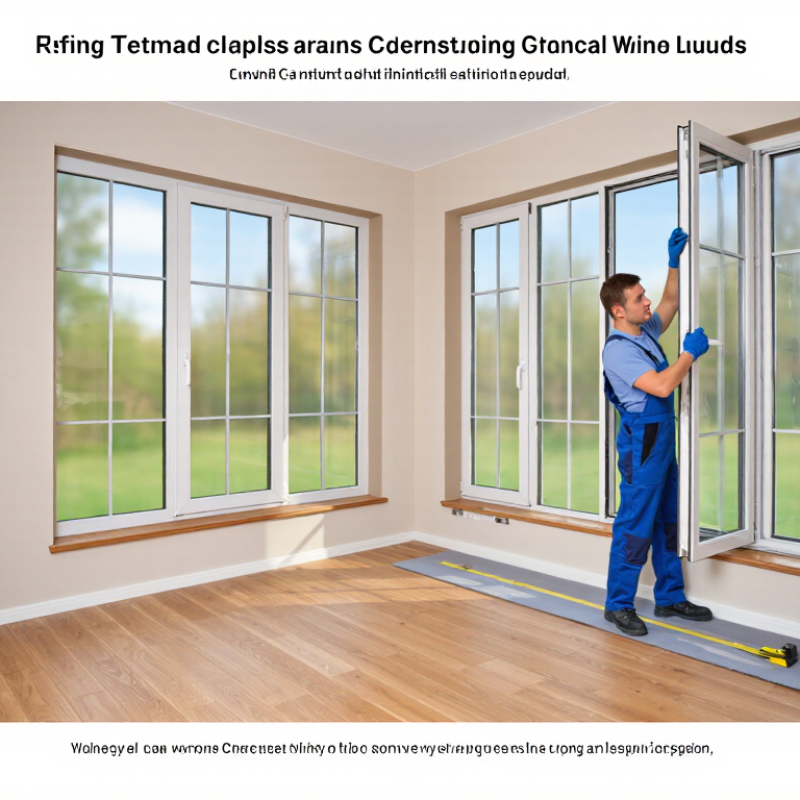
Assess Whether Your Windows Need Replacement
Before comparing suppliers, inspect whether your windows truly need replacement. During a winter home assessment, I found condensation on the glass, but the frames remained dry and solid. That sign alone did not justify new windows. Condensation between sealed panes is more serious. It usually indicates failed glazing seals and reduced insulation. One foggy morning proves little. Track the problem across several days and rooms.
Test operation carefully. Open each sash, check the locks, and feel for drafts around the edges. A thin tissue can reveal moving air on a windy day. Look for soft wood, peeling paint, water stains, cracked glass, or gaps between the frame and wall. Persistent moisture deserves attention, especially near bedrooms or children’s rooms. However, poor ventilation can imitate a window problem. Improve airflow before making an expensive decision.
Professional inspection can clarify hidden damage. Ask an experienced contractor to check flashing, sill slope, frame condition, and installation history. An energy assessment may also show whether insulation causes the discomfort. I once assumed replacement would solve a cold room, but an uninsulated ceiling was the larger issue. That mistake was costly and instructive. If replacement is necessary, record each window’s measurements, defects, and priority. A reliable supplier should explain repair options, glass specifications, installation methods, and warranty limits without pressure. Replacing only the worst units may be wiser than changing every window at once.
7 Tips for Replacing Windows and Choosing the Right Supplier? - Assess Whether Your Windows Need Replacement
| Tip |
Assessment Dimension |
Real-World Indicator |
What to Check |
Recommended Action |
| 1 |
Air Leakage and Drafts |
Noticeable cold or hot air around the sash, frame, or locking points when the window is closed. |
Inspect weatherstripping, seals, frame joints, and the fit of moving parts. A professional can use diagnostic testing to measure air leakage. |
Repair seals if the frame is sound; consider replacement when leakage is persistent or widespread. |
| 2 |
Condensation and Moisture |
Frequent condensation between insulating glass panes, water stains, soft wood, or visible mold near the opening. |
Determine whether moisture is on the room side, between panes, or on the exterior. Check for failed insulating-glass seals and hidden water damage. |
Address active leaks promptly. Replace failed sealed glass or the complete window if the frame is damaged. |
| 3 |
Operation and Safety |
The window sticks, will not stay open, is difficult to lock, or cannot be opened for required ventilation or emergency escape. |
Test opening, closing, locking, and balance. Verify that bedrooms and other applicable spaces meet local emergency-egress requirements. |
Repair hardware when practical; replace windows that remain unsafe or unreliable. |
| 4 |
Energy Performance |
Uneven indoor temperatures, excessive solar heat gain, or unusually high heating and cooling demand. |
Compare the proposed window’s certified U-factor and Solar Heat Gain Coefficient with the requirements and climate needs of the project. |
Select performance values appropriate for the local climate instead of choosing by appearance alone. |
| 5 |
Frame, Glass, and Installation Condition |
Rot, corrosion, cracked glass, warped frames, failed seals, or gaps around the opening. |
Ask for a written inspection covering the frame, sill, flashing, surrounding wall, and interior and exterior finishes. |
Use full-frame replacement when surrounding components are deteriorated; use insert replacement only when the existing frame is suitable. |
| 6 |
Supplier Qualification |
Unclear scope, no verifiable references, limited documentation, or pressure to sign before receiving a detailed quote. |
Verify licensing and insurance where required, request recent references, review installation experience, and confirm who will perform the work. |
Shortlist suppliers that provide transparent documentation and a written, itemized proposal. |
| 7 |
Quote, Warranty, and After-Sales Support |
Quotes differ substantially in materials, preparation, installation method, cleanup, or warranty coverage. |
Compare window specifications, quantities, labor, permits, disposal, finishing, payment schedule, warranty exclusions, and response procedures. |
Choose the best documented overall value, not automatically the lowest initial price. |
Practical decision rule:
Replace windows when safety, water intrusion, structural deterioration, or persistent performance problems cannot be reliably resolved through maintenance or targeted repairs. Confirm local building, ventilation, and emergency-egress requirements before ordering.
Define Window Styles, Materials, and Performance Requirements
Before requesting quotes, define the window style for each room. Casement windows provide strong ventilation and tight closure. Sliding windows need less exterior clearance but may offer weaker airflow. Awning windows work well above sinks or counters. Record the room’s purpose, opening direction, and clear wall space. Small details matter. A bedroom may need egress access, while a bathroom may need privacy glass and controlled ventilation. Do not choose by appearance alone.
Material choices affect maintenance, insulation, and service life. Vinyl frames need limited upkeep, while wood frames offer warmth but require regular sealing. Aluminum frames can suit modern designs, yet poor thermal breaks may increase heat transfer. Ask for tested performance data, not vague claims about efficiency. Compare U-factor, solar heat gain coefficient, air leakage, water resistance, and design pressure. In a cold climate, lower U-factor usually matters more. On sunny elevations, solar control becomes important. Double glazing may be adequate, but triple glazing can improve comfort in severe climates. I once focused too heavily on glass ratings and overlooked the installation gap. That mistake caused noticeable drafts.
A reliable supplier should connect these requirements with suitable products and installation methods. Request written specifications, scaled drawings, delivery dates, and warranty conditions. Ask who will measure the openings and correct uneven frames. Check recent project references, insurance, training, and complaint procedures. A low quote may exclude flashing, disposal, interior trim, or future adjustments. Leave room for questions. Good suppliers explain limitations instead of promising perfect performance.
7 Tips for Replacing Windows and Choosing the Right Supplier
Compare window styles, materials, and performance requirements before requesting supplier quotes. The chart shows representative U-factor values for common glazing configurations; lower U-factor indicates better resistance to heat transfer.
Selection checklist: define the window style and opening size, compare frame materials, check U-factor and solar heat-gain coefficient, confirm air-leakage and water-penetration ratings, review installation details, verify local energy-code requirements, and obtain itemized supplier warranties and lead times.
Compare Suppliers by Quality, Credentials, and Customer Reviews
Start with the window itself, not the salesperson’s promise. Ask about frame materials, glass layers, spacers, drainage, and installation tolerances. Request a physical corner sample if possible. Look closely at the seals. Quality appears in small details. Check whether the supplier documents testing for air leakage, water resistance, and wind performance. Clear specifications make competing quotes easier to compare. An impressive brochure is not proof.
Credentials reveal how seriously a supplier treats the work. Confirm business registration, installer training, insurance, and warranty terms. Ask who handles measurements, installation, adjustments, and future service. A reliable supplier should explain each stage without avoiding difficult questions. The written quote should list window sizes, glazing type, hardware, removal fees, finishing work, and expected dates. Vague pricing can become expensive later.
Customer reviews add practical evidence, but read them carefully. Focus on recent comments about delivery accuracy, installation cleanliness, communication, and problem resolution. Look for photographs showing tight corners, even gaps, and finished trim. Contact references when available. One dissatisfied review is not automatically a warning. Repeated complaints deserve attention. I once trusted a polished showroom and ignored unclear aftercare terms. That was a mistake. Compare at least three suppliers, then revisit your notes after a day. The cheapest offer may use thinner glass or exclude interior repairs. A dependable choice feels clear on paper, not merely persuasive in person.
Plan the Installation and Inspect the Completed Work
Plan the installation before comparing window prices. The U.S. Department of Energy reports that windows cause about 25–30% of household heating and cooling energy use. Proper installation protects that investment.
Ask the supplier for a written sequence, product dimensions, delivery dates, and responsible site contact. Confirm who handles old-frame removal, flashing, interior trim, and disposal. Small omissions become expensive surprises.
Before work begins, photograph walls, sills, flooring, and nearby furniture. Check that each opening is dry, square, and free from loose materials. The installer should use compatible flashing, a correctly supported sill, approved fasteners, and insulation that will not distort the frame.
The AAMA/WDMA/CSA 101/I.S.2/A440 standard defines performance requirements for many window products. It does not replace careful field workmanship. That distinction matters.
Inspect every completed unit before the crew leaves. Test locks, handles, screens, and opening movement. Look for uneven gaps, cracked glass, damaged finishes, and daylight around the frame. During wet weather, check the interior sill for moisture.
The DOE recommends inspecting weatherstripping and caulking because failed seals reduce efficiency. A clean caulk line is not proof of a sound installation.
I have seen attractive trim conceal poor shimming. Request corrections in writing, with photographs and dates. Keep the supplier’s warranty, product labels, inspection records, and maintenance instructions together.
The process may feel overly cautious. It is cheaper than discovering water damage after the first hard rain.









 Get a Free Quote



 See our Doors





 Start your estimate