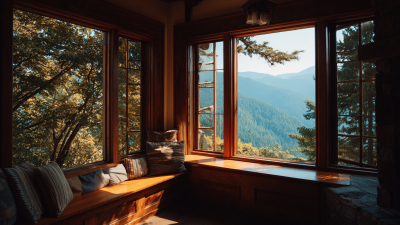
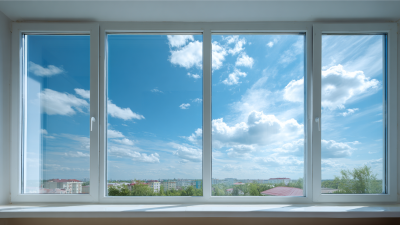
Designing spaces with large windows can transform an area. They invite natural light, enhancing the ambiance and warmth of a room. However, large windows also pose challenges. The placement and design must consider glare and privacy. Balancing these factors is essential for a harmonious space.
Incorporating large windows can create breathtaking views. Yet, an overabundance of sunlight may make a room feel too bright. Choosing the right window treatments becomes crucial. Sheer curtains, for example, can diffuse harsh sunlight. It’s all about finding the right balance between light and comfort.
Moreover, large windows can alter the perception of space. They can make a small room feel larger, yet can overwhelm in a vast area. Reflecting on the room's purpose is vital. Are those large windows enhancing the experience or detracting from it? Thoughtful design can lead to stunning results, but it requires careful planning and reflection.
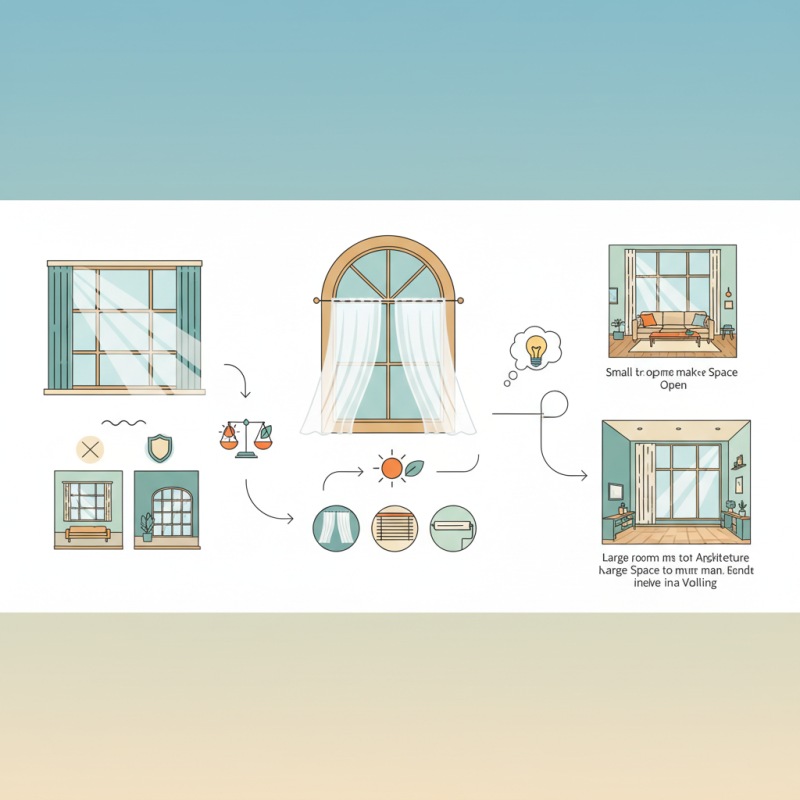
Large windows can transform a space. They create an inviting atmosphere filled with natural light. Sunlight can enhance the colors in your decor. It also adds warmth to your home. However, designing around large windows requires careful consideration.
One benefit is the connection to nature. Large windows frame beautiful views. They bring the outside in, making interiors feel larger. However, sunlight can also create glare. It may fade furniture and artwork over time. Select window treatments that allow flexibility in managing light. This will help control brightness without sacrificing the view.
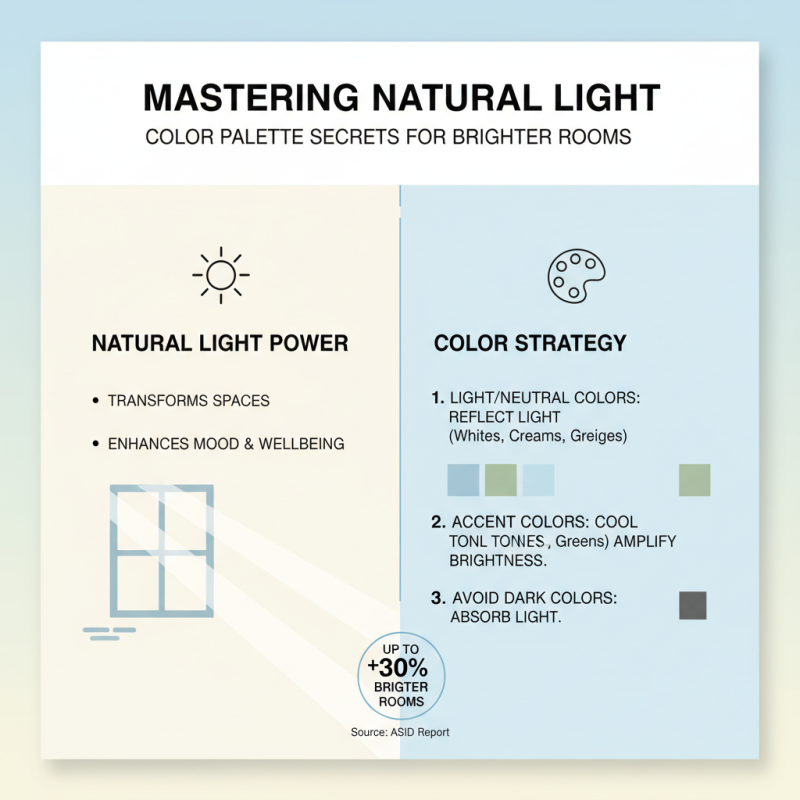
Color choice is crucial in spaces with large windows. Light walls can reflect the sun’s rays beautifully. This will amplify brightness. But dark colors can absorb light, creating a cozy vibe. Balancing the two can be tricky. Think about how elements will interact with sunlight. Reflection, shadow, and warmth all play a role in the overall feel of the space.
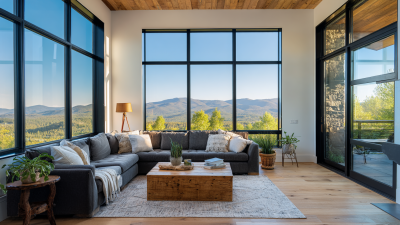
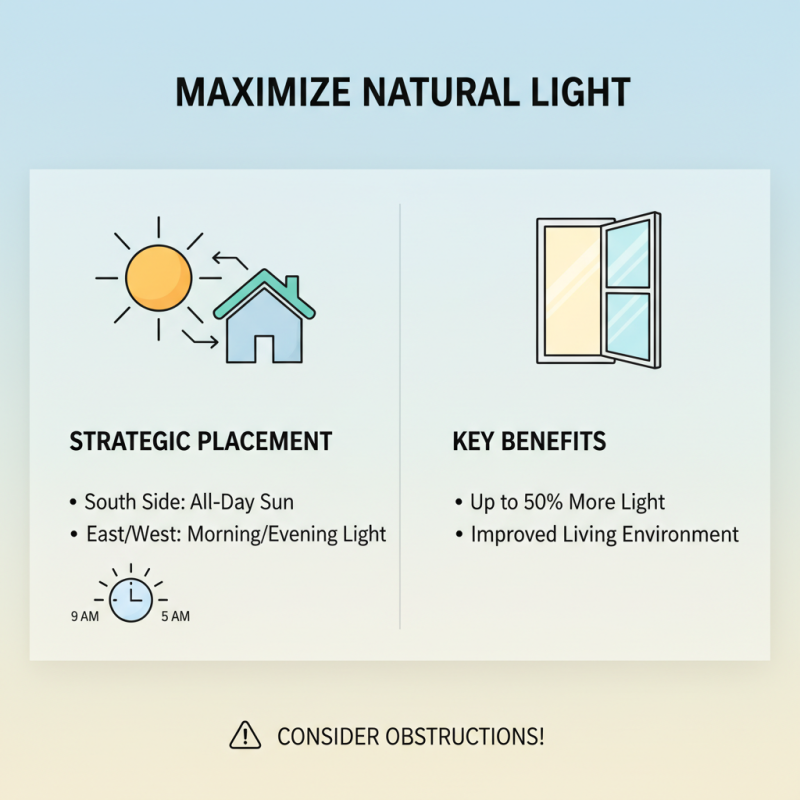
Selecting the right window placement is crucial for maximizing natural light in any space. Studies show that strategically placed windows can increase natural light by up to 50%. This is vital for living environments. For example, placing windows on the south side can capture sunlight throughout the day. However, not all spaces benefit equally. Shadows and obstructions can limit light access.
Consider room function when positioning windows. Gathering areas thrive with abundant natural light, enhancing mood and productivity. In contrast, bedrooms may require softer light. A mix of large and smaller windows can create visual interest. Yet, balance is necessary. Large windows can overpower smaller spaces, leading to discomfort.
Architectural reports indicate that effective window design can reduce reliance on artificial lighting by up to 80%. However, achieving this involves careful planning. Avoid over-glazing, which may lead to excessive heat gain. A well-thought-out framework considers the season and local climate. Questions about light distribution often arise. Poor window placement can lead to dark corners, requiring excessive artificial lighting. Thoughtful design is key.
When designing spaces with large windows, choosing the right window treatments is crucial. According to a recent study, 70% of homeowners prioritize natural light in their interiors. This focus on light often clashes with the need for privacy and temperature control. Selecting the right treatments can help achieve both.
Translucent blinds or sheer drapes can soften harsh sunlight. They allow daylight to filter in while providing some level of privacy. Layering them with darker curtains can create dramatic effects during evenings. Transparency and layering offer flexibility. This approach helps craft a cozy atmosphere while still enjoying expansive views.
Consider materials that reflect the surrounding environment. For instance, natural fibers can create a seamless blend with outdoor elements. However, it's important to remember that certain materials can fade over time when exposed to direct sunlight. Reflecting on maintenance and longevity is key. Window treatments should not only enhance aesthetics but also withstand the test of time and light.
| Design Element | Description | Recommended Treatments | Light Control |
|---|---|---|---|
| Curtains | Soft fabric panels that add elegance and warmth to large windows. | Sheer, light-filtering fabrics. | Moderate light control, depending on opacity. |
| Blinds | Adjustable slats that provide flexibility in controlling light and privacy. | Wood, faux wood, or metal blinds. | Excellent light control. |
| Shades | Fabric or roller options that can be easily adjusted for light filtering. | Cellular, roller, or Roman shades. | Varies by style; some offer blackout options. |
| Window Film | A transparent film that adheres to glass to reduce glare and UV rays. | Frosted or tinted films. | Reduces glare, enhances privacy. |
| Shutters | Solid frames with adjustable slats, offering a classic look. | Plantation shutters. | Good control over light and privacy. |
When designing spaces with large windows, incorporating reflective surfaces is essential for maximizing brightness. Reflective surfaces can include mirrors, glossy paint finishes, and metallic accents. These elements can effectively bounce light around the room. According to a study by the American Society of Interior Designers, spaces with reflective surfaces can increase perceived brightness by up to 30%. This is especially relevant in darker spaces.
Natural light can be unpredictable. A north-facing room may struggle to receive enough sunlight. Reflective surfaces can help mitigate this challenge. For example, a well-placed mirror can double the light entering a space. However, placing mirrors opposite windows can also result in distractions. It’s vital to strike a balance in their placement. Designers must consider how light flows through the room throughout the day.
Glossy paint or high-shine tiles can also increase light reflection. However, they may create glare if used excessively. Architects suggest a blend of matte and glossy finishes to create a visually interesting atmosphere. A carefully curated approach can prevent overwhelming brightness that can be uncomfortable for occupants. It’s crucial to maintain visual comfort while enhancing natural light in a room.
Large windows bring in natural light, transforming spaces dramatically. However, to maximize this effect, a cohesive color palette is crucial. Lighting can change the perception of colors in a room. A report by the American Society of Interior Designers found that the right color choices can enhance the brightness by up to 30%.
Soft, neutral shades often reflect more light. Consider whites, beiges, and soft grays for your walls and larger furniture. These colors can amplify the daylight streaming through those expansive windows. Accents in brighter hues can energize the space but should be used sparingly. Overdoing color can detract from the intended lightness.
Textured fabrics also play a role. Sheer curtains invite light while maintaining privacy. Darker colors in furnishings absorb light. A careful balance is necessary. While dark tones offer sophistication, they can make spaces feel smaller. Striking the right balance requires reflection. Constantly reassess how your colors interact with sunlight. A cohesive palette will not only maximize light but also create an inviting atmosphere.
Call us one of our 3 offices across Ontario, Canada
Thanks for contacting us!
We'll get back to you as soon as possible.