What Is the Most Popular Style of Windows?

When homeowners ask about the most popular style of windows, the answer often depends on location, building traditions, and daily needs. In the United States, double-hung windows remain a common choice, especially in bedrooms, living rooms, and older homes. Their two movable sashes allow warm air to escape through the upper opening while cooler air enters below. That simple movement can make a room feel less stuffy on a mild afternoon.

Still, popularity does not make one design perfect. It depends. Casement windows are widely valued for their strong ventilation and tight seal. Picture windows bring broad daylight but do not open for fresh air. Sliding windows save space and operate easily, although their tracks may collect dust and reduce smooth movement over time. I have found that homeowners often focus on appearance first, then reconsider energy performance, cleaning access, frame material, and local weather. That change in thinking matters. A beautiful window can become frustrating if it is difficult to maintain.

This guide examines the leading window styles through practical experience and established installation principles. It considers how each design performs in real rooms, from a sunny kitchen to a wind-exposed second floor. Energy-efficient glass, proper flashing, and accurate measurements also influence results. The “most popular” style may be double-hung, but the best style of windows should match the home’s structure, climate, budget, and ventilation goals. That answer is less dramatic. It is usually more reliable.
What Is the Most Popular Style of Windows?

Defining Window Style and the Features That Distinguish Each Type

What Is the Most Popular Style of Windows?

In North American homes, double-hung windows remain one of the most familiar styles. Both sashes move vertically within the frame. This allows ventilation from the top, bottom, or both openings. Homeowners can tilt the sashes inward for easier cleaning. That practical detail matters in real homes. Double-hung units also suit traditional façades and compact rooms. However, popularity does not guarantee the best choice.

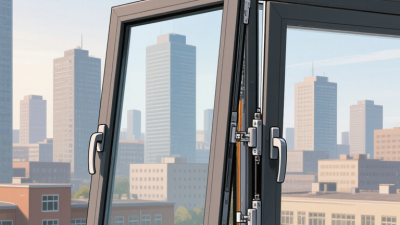
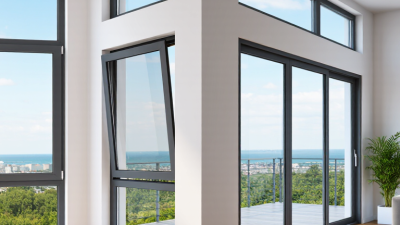
Casement windows open outward on side hinges, usually with a crank handle. They can direct breezes more effectively than many sliding designs.

Awning windows hinge at the top and open outward, helping block light rain. Sliding windows move horizontally and need less exterior clearance.

Picture windows remain fixed, offering broad views but no ventilation. Each style solves a different problem. A beautiful window can still perform poorly if its opening direction conflicts with furniture, walkways, or local weather.

The U.S. Department of Energy’s Energy Saver guidance states that windows can account for about 25% of residential heating and cooling energy use. The National Fenestration Rating Council evaluates products through U-factor and Solar Heat Gain Coefficient ratings.

Lower U-factor generally means better insulation. Lower SHGC can reduce unwanted solar heat. These figures deserve attention, not just frame appearance.

I have found that homeowners often compare style first and ratings later. That habit needs reconsideration, especially for large glass areas and sunny rooms.
Comparing the Most Common Window Styles in Modern Homes

What Is the Most Popular Style of Windows?

Comparing the Most Common Window Styles in Modern Homes

Double-hung windows remain one of the most common styles in modern homes. Their two movable sashes provide flexible ventilation and easier cleaning. They also suit traditional, transitional, and many contemporary façades. In remodeling projects, I often see them selected for bedrooms and living rooms. The familiar proportions make replacement work less visually risky.

Casement windows are another strong contender. Their side hinges open outward, catching breezes that sliding windows may miss. The U.S. Department of Energy identifies operable windows as important for natural ventilation and seasonal cooling. However, outward-opening units need clear space near walkways and patios. That small detail is easy to overlook. Awning windows offer similar ventilation, even during light rain, and often appear above sinks or in compact bathrooms.

Fixed and picture windows provide broad views and strong daylight, but they cannot ventilate a room. According to the National Association of Home Builders’ home buyer preference research, energy-efficient windows rank among highly desired features. Style alone does not guarantee performance. Frame material, glass coatings, installation quality, and air leakage matter more than many homeowners expect. Industry guidance from the Fenestration and Glazing Industry Alliance also stresses tested performance ratings. Popularity can guide a decision, but it should not replace room-by-room evaluation. A beautiful choice may still feel wrong when the handle is awkward or afternoon heat becomes uncomfortable.

What Is the Most Popular Style of Windows? – Comparing the Most Common Window Styles in Modern Homes
Window Style How It Operates Typical Prevalence in Modern Homes Ventilation Daylight and View Energy and Weather Performance Common Residential Uses
Double-Hung Both the upper and lower sashes slide vertically. Very common Good; opening both sashes can promote natural air movement. Good daylight and a balanced traditional appearance. Generally dependable when properly weather-stripped; multiple moving parts can require maintenance. Bedrooms, living rooms, dining rooms, and replacement projects.
Single-Hung The lower sash moves vertically while the upper sash remains fixed. Common Moderate; ventilation is provided through the movable lower sash. Good daylight with a simple, compact profile. Usually offers fewer moving components than a double-hung window. New construction, apartments, utility rooms, and budget-conscious projects.
Casement The sash is hinged at the side and opens outward with a crank or handle. Common Very good; the open sash can direct breezes into the room. Very good because the frame typically has a narrow sightline. Often provides a tight seal when closed because the sash presses against the frame. Kitchens, modern living spaces, bedrooms, and areas needing strong airflow.
Sliding One or more sashes move horizontally along tracks. Common Moderate to good, depending on the size of the operable section. Good horizontal views and a wide visual opening. Track cleanliness and roller condition affect smooth operation and sealing. Wide walls, bedrooms, living rooms, basements, and spaces with limited exterior clearance.
Awning The sash is hinged at the top and opens outward from the bottom. Moderately common Good, especially when placed higher on a wall. Good daylight with a distinctive horizontal proportion. Can help block some light rain while open, although exposure and installation still matter. Bathrooms, basements, kitchens, and combination window arrangements.
Picture The glass is fixed and does not open. Common None by itself; it must be paired with an operable window for ventilation. Excellent daylight and unobstructed views because there are no operating rails or hinges. Fixed windows generally have fewer air-leakage points than operable windows. Living rooms, feature walls, stairwells, and rooms facing scenic views.
Bay A combination of windows projects outward from the exterior wall, often with a central fixed unit and angled side units. Moderately common Varies according to the number and type of operable side windows. Excellent; the projection can create wider viewing angles and additional interior space. Requires careful structural support, flashing, and weatherproof installation. Living rooms, dining areas, reading spaces, and exterior accent elevations.
Bow A curved grouping of several windows projects outward in a gentle arc. Less common Varies according to whether the individual units are fixed, casement, or double-hung. Excellent panoramic views and abundant daylight. More complex installation can increase requirements for support, insulation, and weather sealing. Large living rooms, dining rooms, and homes where a curved architectural feature is desired.
Popularity labels describe broad residential usage patterns rather than a single market-share measurement. Actual preferences vary by region, climate, building type, architectural style, and replacement needs.

Why Double-Hung Windows Remain a Popular Choice

What Is the Most Popular Style of Windows?

Double-hung windows remain a popular choice in many traditional and modern homes. Their two movable sashes slide vertically, allowing air to enter from the top, bottom, or both. This simple design gives homeowners practical control over ventilation throughout the day.

From my experience observing residential renovations, double-hung windows fit bedrooms, kitchens, and living rooms especially well. A homeowner can open the lower sash for fresh air while keeping the upper sash slightly open to release warm air. The tilt-in feature also makes interior glass easier to clean, particularly on upper floors. Less reaching. Less risk.

Their appearance is another reason for their lasting appeal. Balanced proportions suit brick houses, wood siding, and contemporary interiors. Many options include insulated glass, weather-resistant frames, and secure locking hardware. However, performance depends on correct installation and regular inspection. A poorly sealed window can still allow drafts, moisture, and outside noise.

They are not perfect. Vertical operation may feel less suitable beside counters or furniture, and older units can become difficult to lift. I have also seen homeowners focus on appearance while overlooking frame quality and drainage details. That choice can become expensive later. Checking local building requirements and asking a qualified installer about ventilation, insulation, and emergency exit rules creates a more dependable result.

How Climate, Architecture, and Maintenance Affect Window Preferences

Double-hung windows remain one of the most popular styles in North American homes. Their two movable sashes allow controlled ventilation and simple cleaning. However, popularity does not guarantee suitability. The best choice depends on climate, architecture, and maintenance expectations.

In hot, humid regions, operable windows can support cross-ventilation during cooler evenings. In cold or windy areas, fixed windows often reduce air leakage. The U.S. Department of Energy reports that windows can represent 25–30% of residential heating and cooling energy use. That figure makes glass area, frame quality, orientation, and installation details more important than style alone. A large south-facing window may brighten a room, yet increase summer heat without exterior shading.

Architecture also guides preference. Double-hung windows suit traditional façades, while slim casements can match contemporary designs and provide stronger ventilation. In coastal locations, corrosion-resistant hardware and impact-rated glazing may matter more than appearance. The National Fenestration Rating Council emphasizes U-factor and solar heat gain coefficient ratings for comparing window performance. These numbers are useful, but homeowners sometimes overlook installation quality.

Maintenance changes the decision again. Sliding tracks collect dust, while exterior hardware needs periodic inspection. Tilt-in sashes simplify indoor cleaning, especially in multi-story houses. Still, no style is maintenance-free. A 2023 residential remodeling survey by a leading housing research group found that durability and energy efficiency frequently rank above visual novelty in replacement decisions. That preference seems practical, although survey answers may not reflect long-term performance. A careful assessment should consider local weather records, wall orientation, ventilation habits, and the installer’s workmanship.

What Is the Most Popular Style of Windows?

How climate, architecture, and maintenance affect window preferences

Double-hung windows remain a widely preferred residential style because they suit traditional and contemporary architecture, provide flexible ventilation, and are relatively easy to clean. Casement windows generally offer stronger airtightness and ventilation, while sliding windows require simple operation and picture windows maximize views and daylight but provide little ventilation.

The 1–5 scores are a comparative suitability index based on documented characteristics of each window type, not sales or market-share data. Climate, building orientation, local architectural traditions, and maintenance access can change the best choice. Sources: U.S. Department of Energy window-efficiency guidance and National Park Service guidance on historic window styles.

Choosing the Most Suitable Window Style for Different Needs

Choosing the Most Suitable Window Style for Different Needs

The most popular window style is not automatically the best choice. In many homes, single-hung windows remain practical because they cost less and need little maintenance. Their fixed upper sash also limits air leakage. However, only the lower sash opens. That can restrict ventilation in bedrooms or kitchens. Casement windows solve this problem with a side-hinged panel that opens widely. They can catch cross-breezes effectively. This detail matters in warm, humid rooms.

Energy performance should guide the decision. The U.S. Department of Energy reports that windows can cause 25% to 30% of residential heating and cooling energy use. A tightly sealed casement window may therefore suit exposed walls better than a basic sliding window. Sliding styles are easy to operate and useful beside furniture, but their meeting rails may reduce airflow.

The 2024 National Association of Home Builders buyer-preference report found that 79% of respondents considered energy-efficient windows desirable or essential. That figure reflects real market priorities, not just design trends. Still, the report does not measure every climate or building type.

A homeowner in a storm-prone area may value impact resistance more than maximum opening size. A narrow bathroom may need privacy glass and safe ventilation. Older homes also create complications. Their frames may be uneven, and replacement measurements can be imperfect. A professional site assessment should check wall exposure, drainage, hardware reach, and local weather conditions before selecting the style.