How to Choose the Best Windows and Doors for Your Home

Choosing the right windows and doors for your home is crucial. They enhance both aesthetics and functionality. With many options available, it’s easy to feel overwhelmed. You may find yourself drawn to a specific style but unsure of its practicality.

Consider your climate and home style. Different materials provide distinct benefits. For example, vinyl windows are low maintenance but may lack the charm of wood. Think about energy efficiency too. Poor insulation can lead to high energy bills and discomfort.

Reflect on your choices. What works for one space may not suit another. Do you want classic elegance or modern flair? Your decisions can impact curb appeal and home security. Take your time to explore, and don’t hesitate to revisit your preferences. The perfect fit will blend style and performance seamlessly.
How to Choose the Best Windows and Doors for Your Home

Factors to Consider When Selecting Windows for Your Home

How to Choose the Best Windows and Doors for Your Home

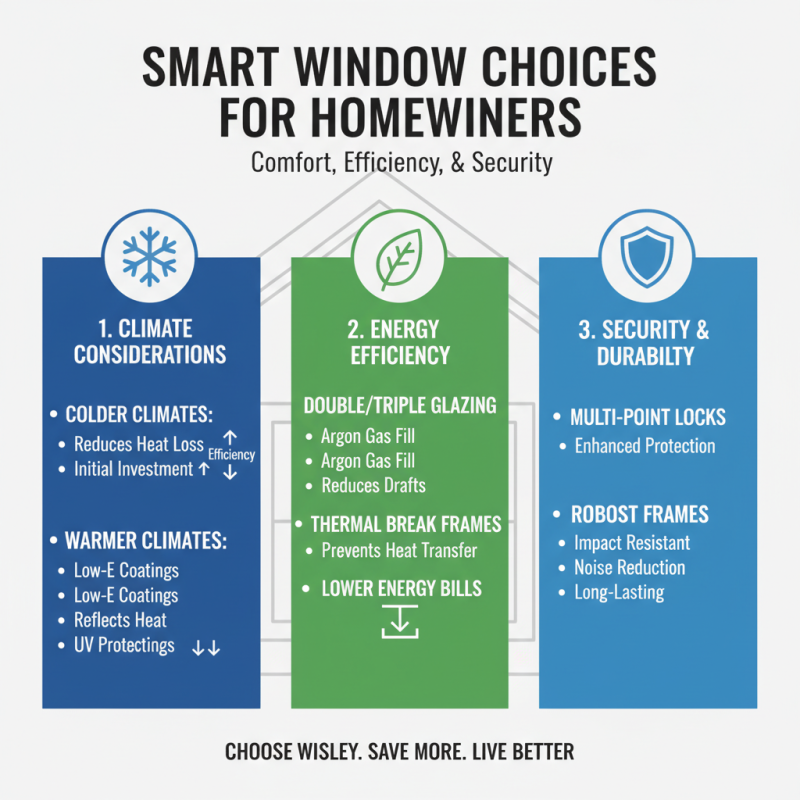
Choosing the right windows for your home is more than just aesthetics. It's about comfort, energy efficiency, and security. Start by considering your climate. In colder areas, double-glazed windows can reduce heat loss. This choice might require a higher initial investment, but the savings on energy bills can be significant.

Think about the materials too. Vinyl, wood, and aluminum each have their pros and cons. Vinyl is low maintenance and often more affordable. Wood, while beautiful, requires more upkeep. It’s a balancing act between cost and durability. If you're unsure, consult a local expert for recommendations tailored to your environment.

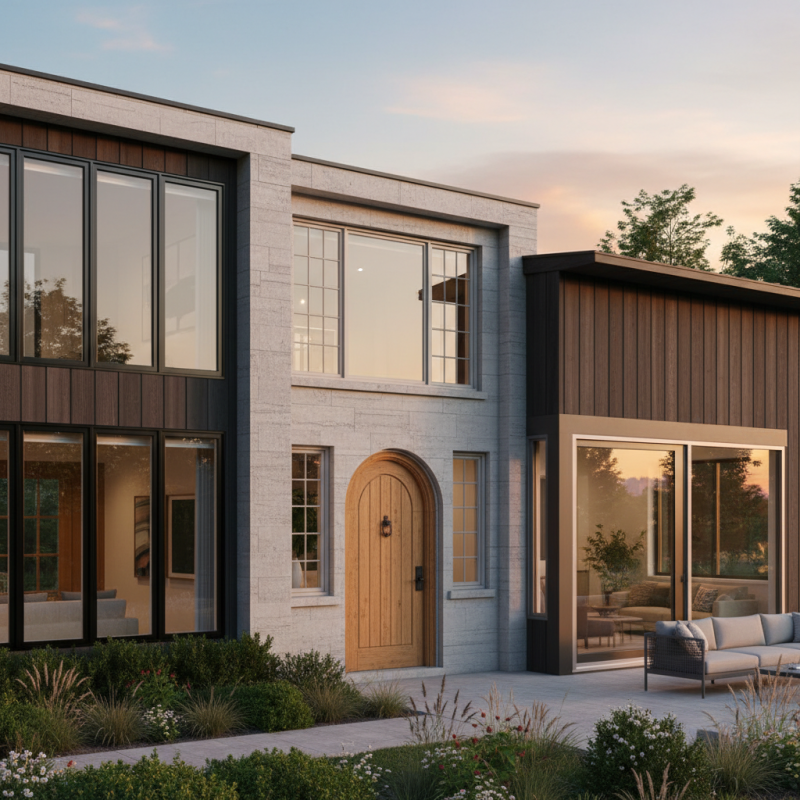
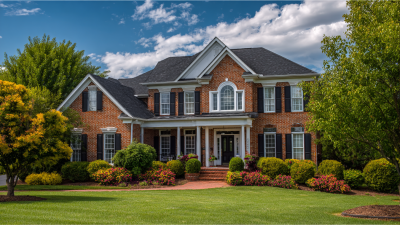
Don't forget about style. Windows should complement your home's architecture. Oversized windows can create stunning views but may lack privacy. Smaller, well-placed windows can enhance natural light without compromising security. Reflect on what works best for your lifestyle. Ultimately, the right choice can transform your space, but it requires careful consideration and sometimes a bit of trial and error.
Types of Windows: Pros and Cons of Different Styles

Choosing the right windows for your home can be daunting. Each style has its pros and cons. For instance, double-hung windows are popular. They are easy to clean, but they can be hard to seal properly. Sometimes they let drafts in, which can be frustrating during winter.

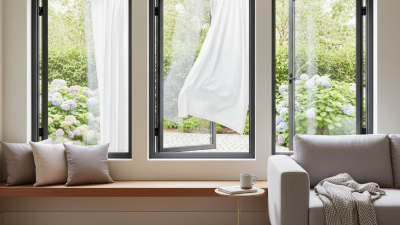
Casement windows are another option. They open outward, providing great ventilation. However, they can be problematic if you have a narrow walkway. If the window is left open, it might be exposed to passing cars or pedestrians. This could lead to unexpected accidents.

Sliding windows are sleek and modern. They offer unobstructed views, but they may require more space to operate. If dirt gets trapped in the track, they can become difficult to open. It's essential to think about maintenance. Some styles may need more frequent upkeep than others. Ultimately, consider your home's aesthetic and practicality when choosing.

How to Choose the Best Windows and Doors for Your Home - Types of Windows: Pros and Cons of Different Styles

Window Style Pros Cons
Double-Hung Easy to clean, good ventilation, classic style May leak air if not properly sealed, expensive in high-end models
Casement Excellent ventilation, energy-efficient, unobstructed views Can be hard to reach on higher floors, higher costs for hardware
Sliding Space-saving, easy to open, good for wide openings Limited ventilation, track may need frequent cleaning
Awning Great for rain protection, good ventilation, energy-efficient Limited size options, can be more expensive
Picture Maximizes views, adds curb appeal, energy-efficient Non-operable, no ventilation

Choosing the Right Doors for Your Home: Material and Style Options

Choosing the right doors for your home involves understanding various materials and styles. A survey from the American Institute of Architects revealed that 73% of homeowners prioritize aesthetics when selecting doors. Wood and fiberglass are popular choices. Wooden doors offer warmth and character. However, they require regular maintenance. Fiberglass doors, while low-maintenance, can lack the charm of real wood.

Consider the style as well. Traditional doors may fit classic homes, while sleek, modern designs suit contemporary spaces. The National Association of Home Builders indicates that 90% of new homes feature energy-efficient doors. Energy-efficient options keep interiors comfortable, especially in extreme weather.

Pay attention to door security too. Nearly 34% of burglaries occur through the front door, according to the FBI. Reinforced doors add an extra layer of safety but may alter design choices. It’s important to balance style and security, ensuring your home remains both attractive and safe.

Energy Efficiency: How to Evaluate Windows and Doors

When evaluating windows and doors for energy efficiency, start with glazing options. Double or triple glazing can significantly reduce heat loss. Examine the U-value, which indicates thermal transmittance. A lower U-value means better insulation. Also consider the solar heat gain coefficient (SHGC). This measures how much solar heat passes through your windows, affecting indoor temperatures.

Seal quality is crucial too. Check weather stripping and frame integrity. Gaps can lead to drafts and energy loss. Even well-made windows can falter if not installed correctly. The frame materials matter as well; vinyl frames may offer better insulation than aluminum. It’s important to balance aesthetics with functionality.

Remember to assess operational methods. Casement windows typically provide a tighter seal than sliding ones. In terms of doors, look for those with solid cores. They tend to be more energy-efficient than hollow options. Each choice impacts your home’s comfort and energy bills, so think carefully about your needs.

Installation Considerations: Hiring Professionals vs. DIY

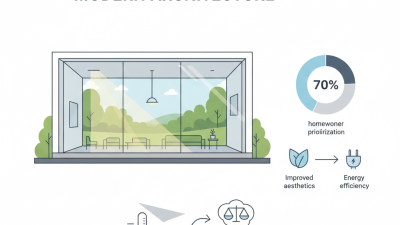
When considering new windows and doors, the installation method can significantly impact your home's performance. Many homeowners face the dilemma of hiring professionals or opting for DIY installations. According to industry reports, around 70% of homeowners choose to hire professionals for such significant projects. This trend illustrates the complexities involved in installation.

Hiring professionals ensures that your windows and doors are properly sealed and installed. Poor installation can lead to drafts and moisture issues. In fact, improper sealing can result in energy loss, raising heating and cooling bills by 20% or more. This adds up over time, making professional installation a worthwhile investment.

Tips: If you decide to go the DIY route, research installation techniques thoroughly. Consult reliable online resources or local workshops. Ensure you have all necessary tools and materials beforehand. Measure accurately to avoid costly mistakes. Hiring a professional may save you time and headaches in the long run, but if you attempt it yourself, take your time to learn and plan accordingly. This balanced view of installation options is essential for any project.

Window and Door Installation Considerations