How to Choose the Best German Style Windows for Your Home?
Choosing the right windows significantly impacts your home's energy efficiency and aesthetic appeal. German style windows have gained popularity due to their unique design and functionality. According to a report by the National Fenestration Rating Council, high-quality windows can reduce energy costs by up to 15%. This statistic emphasizes the importance of selecting the best options for your home.
When considering german style windows, you should evaluate several factors. They offer superior insulation and craftsmanship compared to standard windows. Their design typically includes triple glazing and robust frames. However, many homeowners overlook the maintenance needs and installation costs. Reflecting on these aspects can lead to better choices, ensuring you avoid unexpected expenses later.
Ultimately, investing in german style windows can enhance your home's value and comfort. Yet, the decision should not be taken lightly. The process requires thoughtful consideration of your specific needs and preferences. Balancing aesthetics with practical concerns is crucial for a satisfying outcome.
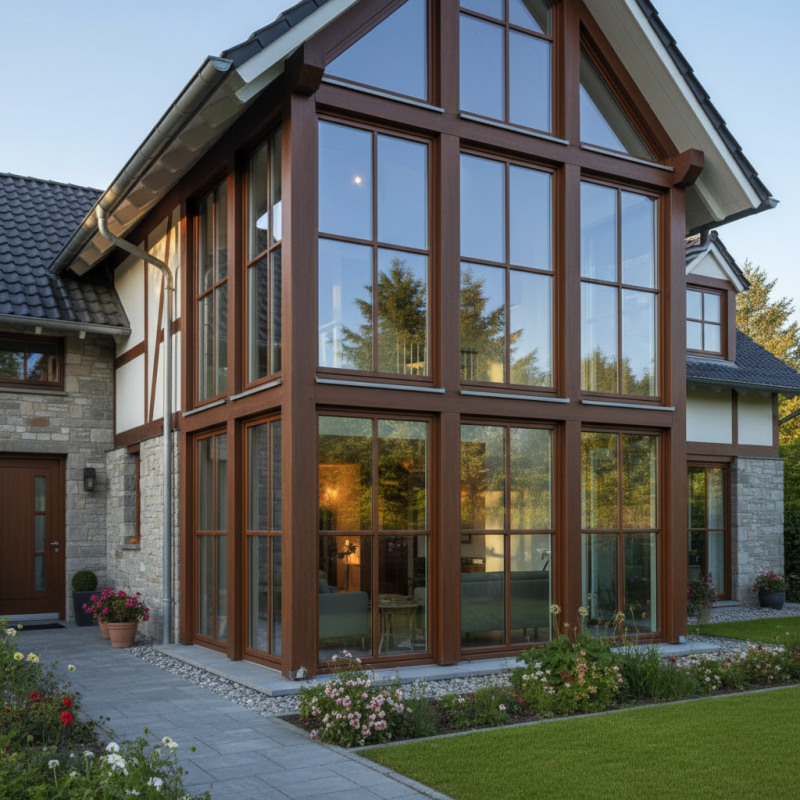
Key Characteristics of German Style Windows: A Comprehensive Overview
German style windows are known for their efficiency and beauty. Key characteristics include energy efficiency, durability, and aesthetic appeal. According to the U.S. Department of Energy, energy-efficient windows can reduce heating and cooling costs by up to 12%. This statistic highlights the financial benefits of choosing the right window type.
German style windows often feature triple glazing. This adds an extra layer of insulation, helping maintain a stable indoor temperature. The thickness of the frames contributes to their strength and longevity. The materials used, like PVC and aluminum, resist the elements, ensuring that they last over time. However, these windows can be more expensive upfront, which may deter some homeowners.
Another defining trait is their design. German windows can be customized to fit various architectural styles. This flexibility allows for creative expression in home design. Yet, with so many options, selecting the right style can feel overwhelming. It’s essential to balance aesthetics with function. People often ignore this balance, leading to regret later. Proper research is crucial in making the best choice for your home.
Key Characteristics of German Style Windows
Understanding Energy Efficiency Ratings for German Windows in Home Design
When choosing German-style windows, energy efficiency is a key factor. Energy efficiency ratings, such as U-value and R-value, indicate how well windows insulate your home. A lower U-value means better insulation, which can lead to energy savings. For example, windows with a U-value of 0.2 are more efficient than those rated at 0.5. This can affect your heating costs.
In a report by the National Fenestration Rating Council, energy-efficient windows can save homeowners up to 30% on energy bills. Beyond numbers, these windows also enhance comfort. However, some homeowners may find it challenging to choose the right rating. Balancing aesthetics and performance can be tricky. A beautiful window that lacks efficiency may lead to discomfort.
Research indicates a trend showing that many homeowners prioritize design over energy ratings. This can lead to higher energy costs long-term. Investing in windows is not just about immediate needs but also future savings. Selecting windows thoughtfully can make a significant difference, affecting your home’s energy consumption.
Materials Used in German Windows: Pros and Cons for Homeowners
When selecting German-style windows, material choice plays a crucial role. Common materials include wood, vinyl, and aluminum. Each has unique characteristics. Wood offers warmth and aesthetic appeal but requires maintenance. It may rot or warp over time. Homeowners often love its classic look. However, it is important to consider this upkeep.
Vinyl is another popular option. It is energy-efficient and low-maintenance. However, its color options can be limited. Some homeowners find it less visually appealing compared to wood. Aluminum is durable and lightweight but may not provide the same insulation. It’s important to consider climate. If you live in a cold area, aluminum might be less effective without added insulation.
Think about long-term implications for your choice. Will you want to repaint or repair wood regularly? Vinyl offers convenience, but are you okay with fewer style options? Each material has merits and drawbacks, so weigh them carefully. Ultimately, the right window material should meet your aesthetic desires and practical needs.
Choosing the Right Window Style: Casement vs. Double-Hung in German Designs
When selecting windows for your home, understanding the differences between casement and double-hung windows is vital. Casement windows, which hinge on one side, allow for full ventilation. They open outward, providing an unobstructed view. This design works well in spaces that need light and airflow. According to a recent survey by the American Architectural Manufacturers Association, 39% of homeowners prefer casement style due to its functionality and aesthetic appeal.
Double-hung windows consist of two sashes that slide vertically. They offer versatility, as you can open either the top or bottom sash. This is especially useful for tight spaces or homes with high-style ceilings. Reports show that double-hung windows are chosen by 45% of homeowners who appreciate their classic design and ease of cleaning.
Tips: Consider your climate. Casement windows may not be suitable for windy areas. They can catch drafts easily. And double-hung windows need regular maintenance to ensure smooth operation. Look for energy-efficient options. Overall, focus on what fits your home best while keeping your budget in mind. By weighing these aspects, you can make a more informed choice.
Installation and Maintenance Tips for Longevity of German Style Windows
German style windows are a wonderful addition to any home. However, installation and maintenance require careful thought. Proper installation ensures energy efficiency and durability. Poorly fitted windows may lead to drafts. Drafts can increase energy bills. Make sure to hire a qualified installer. A good fit is crucial.
Regular maintenance is key to longevity. Check your windows regularly for any signs of wear or damage. Look for cracks in the frames or seals. Water damage can be a real issue. If you notice peeling paint, address it immediately. Simple upkeep can extend the life of your windows.
Here are some tips: Clean the tracks regularly to ensure smooth operation. Lubricate moving parts as needed. Don’t wait for problems to worsen. Early intervention can save time and money. Be proactive in maintaining your windows. Your diligence can make a significant difference.
How to Choose the Best German Style Windows for Your Home? - Installation and Maintenance Tips for Longevity of German Style Windows
| Feature |
Description |
Maintenance Tips |
Lifespan |
| Material |
Commonly made from uPVC, wood, or aluminum, offering durability and aesthetic appeal. |
Regularly clean and inspect for damage to ensure longevity. |
20-50 years depending on material. |
| Energy Efficiency |
Designed for optimal insulation, reducing energy costs. |
Check seals and insulation regularly; replace worn seals promptly. |
20 years. |
| Design Flexibility |
Available in various styles to match the home's aesthetic. |
Consider repainting or refinishing wooden frames to maintain appearance. |
Varies by style and material; generally 20-30 years. |
| Security Features |
Equipped with advanced locking mechanisms for safety. |
Test locks periodically and ensure they function smoothly. |
Lifetime with proper maintenance. |
| Installation |
Professional installation recommended for best results. |
Follow up on warranty and check installation integrity after a few months. |
N/A, but proper installation extends window life. |








 Get a Free Quote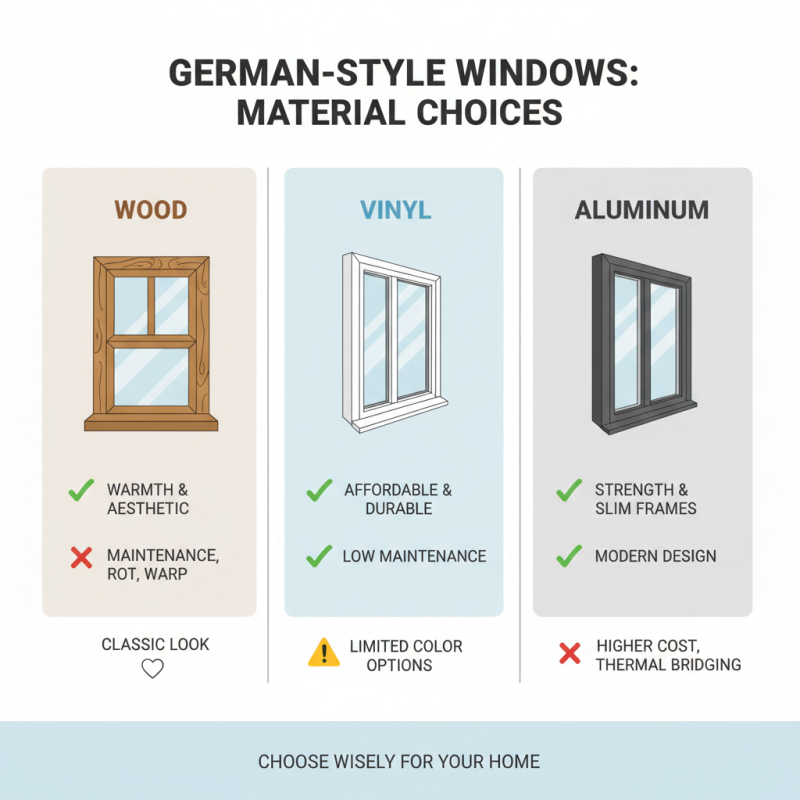
 See our Doors





 Start your estimate