How to Choose the Best Hinged Windows for Your Home

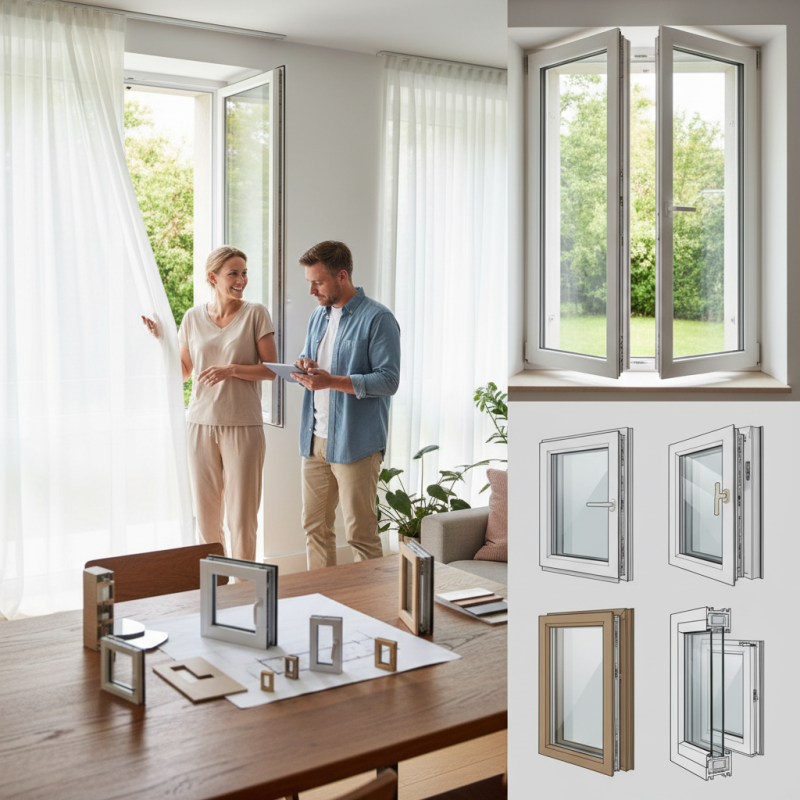
When considering home renovations, choosing the right windows is crucial. Hinged windows are a popular option due to their functionality and aesthetics. According to David Millar, a leading expert in the window industry, "Hinged windows combine beauty and practical use, enhancing both ventilation and style." This statement highlights the dual purpose of these windows in modern homes.

Selecting hinged windows can be a daunting task. You must consider factors like energy efficiency, style, and installation. Hinged windows offer excellent ventilation since they open outward, allowing fresh air into your living spaces. However, their placement matters; if not strategically selected, they can obstruct walking paths or create privacy issues.

Additionally, the variety of styles available can overwhelm homeowners. Each choice has its pros and cons. Reflecting on personal needs and the home's architecture is essential. Are the chosen hinged windows enhancing or detracting from your home's character? It's vital to weigh these questions carefully, ensuring the final decision resonates with your vision for your space.
How to Choose the Best Hinged Windows for Your Home

Factors to Consider When Selecting Hinged Windows for Your Home

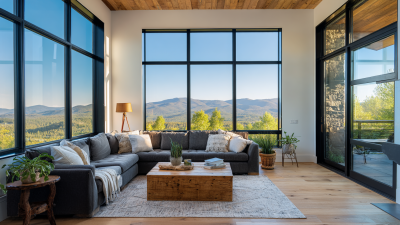
When selecting hinged windows for your home, several factors come into play. Consider the style of your home. For traditional homes, classic designs with divided lites may be suitable. Modern homes could benefit from sleek lines and larger panes of glass. Different styles can impact the overall appeal of your home.

Next, think about energy efficiency. Windows are a significant source of heat loss. Look for designs that feature double glazing or insulated frames. This can help maintain a comfortable indoor temperature. The right glass can also reduce noise. It’s worth considering windows that offer a good balance between aesthetics and performance.

Installation is another crucial factor. Poorly installed windows can lead to drafts. This might affect energy bills and comfort levels. Consider professional help if you’re unsure about the installation process. Some might think they can do it themselves, but the risks often outweigh the benefits. Evaluate both the design and function to find the best match for your home.
Energy Efficiency Ratings: Understanding U-Factor and Solar Heat Gain Coefficient

Choosing hinged windows goes beyond mere aesthetics. Energy efficiency is crucial in making your home comfortable. Two important metrics help: U-Factor and Solar Heat Gain Coefficient (SHGC).

U-Factor measures insulation efficiency. A lower U-Factor indicates better insulation. This rating affects heat loss during winters. Windows with high U-Factor may draft, leading to uncomfortable temperatures. It's essential to consider how these windows perform in your specific climate.

SHGC measures how much solar heat enters your home through windows. A lower SHGC is ideal in warmer regions. Windows that let in less heat can reduce cooling costs. However, too low a rating might limit natural light. Balancing these factors can be tricky. Reflect on your home’s orientation and climate before deciding.

Material Options: Comparing Vinyl, Wood, and Aluminum for Durability

When choosing hinged windows, material plays a crucial role. You have three main options: vinyl, wood, and aluminum. Each has unique characteristics that can impact your home’s look and durability.

Vinyl windows are incredibly versatile. They resist moisture and don’t require much maintenance. However, they may fade over time and can be less rigid in extreme temperatures. Consider how that might affect your home’s energy efficiency.

Wood windows offer a classic aesthetic. They are natural insulators and can be painted any color. Yet, they require regular upkeep to prevent rot and warping. Think about the time and effort you’re willing to invest.

Lastly, aluminum windows are modern and durable. They resist corrosion but can conduct heat, raising energy costs. Each option has its drawbacks. Reflect on what matters most for your living space.

The Impact of Window Size and Placement on Aesthetics and Functionality

Choosing the right size and placement for hinged windows can greatly influence the beauty of your home. Large windows can flood a room with natural light, creating a bright and inviting atmosphere. Small windows, on the other hand, can add charm and coherence to a cozy space. However, overly large windows might make a room feel unbalanced, while too many small windows in one area can appear cluttered. It's essential to strike a balance.

Placement is equally important. Windows positioned too low may disrupt privacy, while windows too high may miss out on views. Consider the scenery outside. A well-placed window can frame a beautiful landscape, bringing the outdoors inside. Think of areas where sunlight hits the hardest; placing a window there can enhance warmth throughout the day. Reflect on how different placements change the feel of each room.

Don't forget about functionality. Windows should not only look good but also serve a purpose. A window that opens easily can improve ventilation. It might look great, but if it’s hard to use, it loses its charm. Visualize how you plan to use the space. Will you need shade, or do you prefer a sun-drenched area? Your choice in size and placement should reflect your daily life.

Choosing Glass Types: Double vs. Triple Glazing for Insulation and Noise Reduction

How to Choose the Best Hinged Windows for Your Home

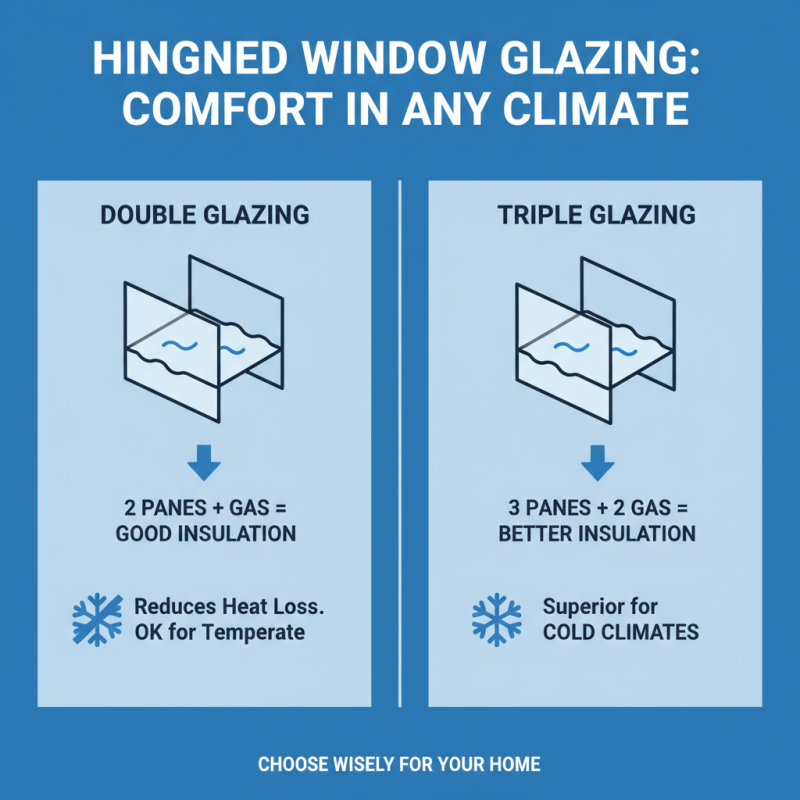
When choosing hinged windows, glass type plays a crucial role. Double glazing offers decent insulation. It uses two panes with a gas layer in between. This design reduces heat loss effectively. However, it may not be enough for extremely cold climates. If you live in such areas, consider triple glazing.

Triple glazing features three panes. It provides superior insulation. The extra layer reduces energy bills substantially. Moreover, it minimizes noise pollution. This can be appealing if you live in a busy area. However, some homeowners might find it visually bulky. Finding the right balance between aesthetics and functionality is essential.

Costs can differ between double and triple glazing. While triple glazing is more expensive, many find the long-term savings worth it. There might also be installation complexities with triple-glazed windows. Those should be considered in your planning. Think about what your home truly needs regarding insulation and sound. Reflect on your environment and lifestyle factors before making a choice.