What is the Appeal of Large Windows in Modern Architecture?

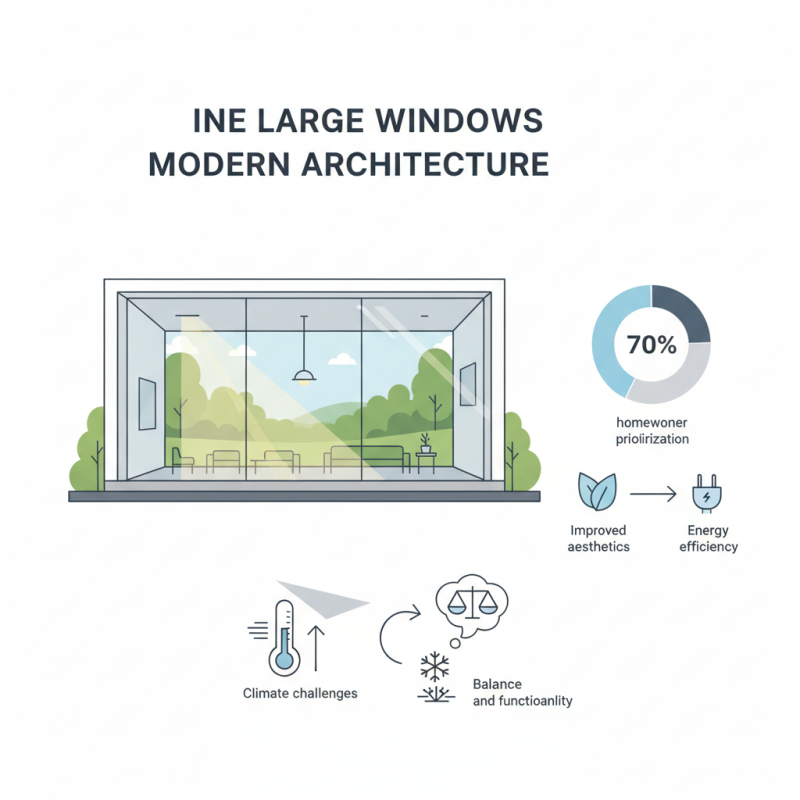
Large windows have become a hallmark of modern architecture. Their popularity stems from various benefits, including natural light and connection to nature. According to a recent study from the American Institute of Architects, 70% of homeowners prioritize large windows for improved aesthetics and energy efficiency. This demand reflects a shift towards designs that promote openness in living spaces.

The integration of large windows can transform the feel of a home, creating a bright and welcoming environment. Studies show that natural light can enhance mood and productivity. However, not all designs account for heat gain or glare issues. Architects must carefully balance beauty with functionality. In some cases, large windows may lead to increased energy costs if not designed properly.

Moreover, different climates present unique challenges. In warmer areas, large windows may require shading solutions. This can complicate design decisions. Ultimately, while large windows enhance visual appeal, they also demand thoughtful consideration. Each project should strive to find a balance between design desire and practical outcomes.
What is the Appeal of Large Windows in Modern Architecture?

The Role of Large Windows in Enhancing Natural Light in Spaces

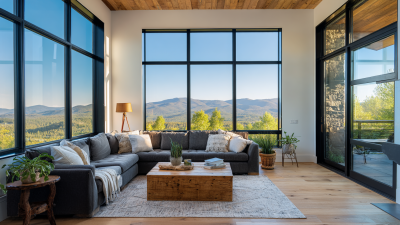
Large windows have become a hallmark of modern architecture. They invite sunlight into our spaces, creating a warm and inviting atmosphere. Natural light can enhance the aesthetic appeal of any room. It brightens up corners that would normally feel dark and lifeless. In many situations, people find themselves drawn to spaces flooded with light. This connection to the outdoors can help improve mood.

However, there are challenges to consider. Large windows can lead to overheating in warmer months. They may also create glare that distracts from daily activities. The presence of large windows can encourage a sense of openness, but it also raises privacy concerns. Homes may feel exposed to the outside world. Achieving a balance between light and privacy can be complex.

Architects often face these dilemmas. They must carefully design window placements to maximize light while minimizing discomfort. Choosing the right window treatments can also be tricky. Some people may prefer sheer materials, while others want darker options. Each choice can significantly impact how light interacts with the space. The design journey with large windows involves thoughtful reflection.
Impact of Large Windows on Energy Efficiency and Sustainability

Large windows in modern architecture bring natural light into spaces, enhancing the aesthetic appeal. They also impact energy efficiency and sustainability. Studies show that buildings with ample natural light can reduce reliance on artificial lighting by up to 80%. This is significant for energy savings and lowering utility costs.

However, large windows come with challenges. They can lead to increased heat gain during hot months. This necessitates effective shading solutions. A report from the U.S. Department of Energy indicates that poorly insulated windows account for about 30% of a building's heating and cooling energy use. Thoughtful design is crucial to minimize these drawbacks.

The integration of sustainable materials is essential in window design. Using triple-glazed windows can improve insulation significantly. Reports suggest they can reduce energy loss by nearly 50%. Architects are increasingly focusing on these elements. Balancing natural light and energy efficiency requires careful consideration. The appeal of large windows is undeniable, but sustainable practices are key.

Aesthetic Appeal: How Large Windows Influence Modern Design Trends

Large windows have become a defining feature in modern architecture. They invite natural light into spaces, creating vibrant atmospheres. The aesthetic appeal lies in the seamless connection between indoor and outdoor environments. Sunlight can enhance colors and textures, making spaces feel alive.

However, the charm of large windows is not without its challenges. They can lead to heat loss, raising energy costs. Privacy can also become a concern in close-knit communities. Reflective surfaces can disrupt the visual harmony in certain settings. Designers now face the task of balancing beauty and practicality.

Incorporating large windows often requires careful planning. The location and orientation significantly influence their effectiveness. A well-placed window can frame a stunning view. Yet, overlooking factors like glare can diminish the experience. This ongoing dialogue about design choices shapes the future of architecture.

Psychological Effects of Large Windows on Occupants' Well-being

What is the Appeal of Large Windows in Modern Architecture?

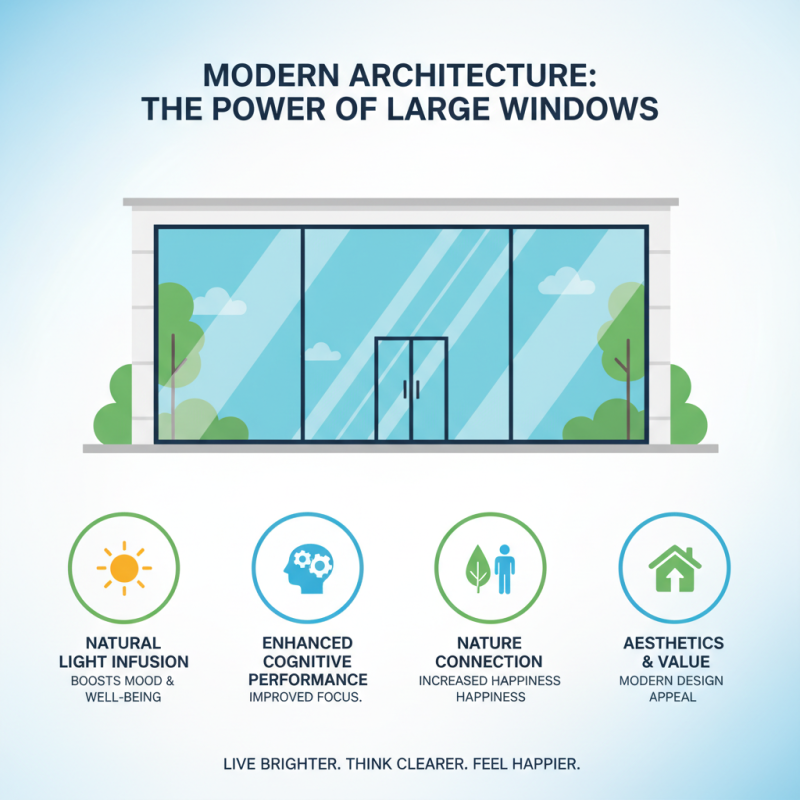
Large windows are popular in modern architecture, and their impact goes beyond aesthetics. These expansive openings allow natural light to flood spaces. Sunlight boosts mood and improves overall well-being. Studies show that daylight enhances cognitive performance. When people feel more connected to nature, they feel happier.

However, it's not always perfect. Too much sunlight can lead to glare and discomfort. This may result in distractions rather than calmness. In urban areas, large windows can create feelings of vulnerability. People might feel exposed to the outside world. Striking a balance between openness and privacy is essential.

Large windows can blur the line between indoors and outdoors. This connection fosters a sense of tranquility. Nature views can reduce stress, promoting mental clarity. Yet, everyone reacts differently to their environment. Some need solitude to focus, while others thrive in open, bright spaces. Reflecting on personal needs is vital in designing spaces that support well-being.

Market Trends: Consumer Preferences for Homes with Large Windows

Large windows are gaining popularity in modern architecture. Many buyers are drawn to homes that feature expansive glass panels. These windows create a seamless connection between indoor and outdoor spaces. They invite natural light into homes, making them feel more open and inviting. Sunlight can enhance mood and reduce the need for artificial lighting.

However, the appeal of large windows isn't without drawbacks. They can lead to energy efficiency concerns. Homeowners may struggle with heating in the winter and cooling in the summer. Privacy can also be an issue, depending on a home's location. People often find themselves thinking about how much exposure they want.

The desire for large windows reflects changing consumer preferences. Buyers are seeking homes that blend style and functionality. They want spaces that feel spacious yet comfortable. This trend is reshaping the market, influencing designs and building practices. There is a continuing conversation about balancing aesthetics with practicality in home design.

Consumer Preferences for Homes with Large Windows