2026 Best Nepean Doors and Windows Buying Guide
Choosing replacement windows and doors in Nepean is not merely a style decision. It affects winter comfort, summer heat, indoor noise, and long-term energy use. Ottawa’s cold winters make air leakage especially noticeable around frames, thresholds, and older sliding units. The U.S. Department of Energy reports that windows can represent 25% to 30% of residential heating and cooling energy use. That figure varies by home, but it shows why product selection matters.
This 2026 guide to nepean doors and windows explains the details homeowners should examine before requesting quotes. We will consider U-factor, solar heat gain coefficient, visible transmittance, air leakage, glazing, frame materials, security hardware, and installation quality. Natural Resources Canada’s EnerGuide resources emphasize the importance of whole-building performance, not isolated product claims. ENERGY STAR guidance also supports comparing tested efficiency ratings rather than trusting vague phrases such as “premium” or “all-season.”
Small details matter.
A low-rated window may feel cold beside a sofa. A poorly sealed door can create a visible draft near the floor. Professional installation, flashing, drainage, and accurate measurements deserve equal attention. The Canada Mortgage and Housing Corporation has repeatedly highlighted moisture control and building-envelope durability as practical housing concerns. Still, no guide can predict every Nepean property. A brick century home, a suburban townhouse, and a renovated bungalow need different solutions. Some recommendations may require adjustment after an onsite inspection. That uncertainty is worth acknowledging, because the cheapest quote is not always the lowest-cost decision over fifteen years.
Understanding Nepean Doors and Windows: Types, Uses, and Key Features
In Nepean, doors and windows must handle cold winters, strong winds, and changing moisture levels.
The right type depends on the room, wall direction, and daily use.
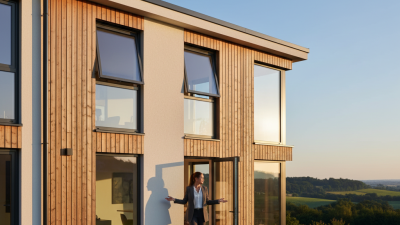
Casement windows open outward and provide strong ventilation. Awning windows work well above sinks because rain is less likely to enter. Fixed windows offer clear views but no airflow. Sliding windows save space, although their tracks need regular cleaning.
Entry doors should provide security, insulation, and smooth operation. Steel doors resist impact and require little maintenance. Fiberglass doors can imitate wood while handling moisture better. Sliding patio doors connect indoor and outdoor areas, but their rollers and seals deserve close inspection.
Look for insulated glass, low-emissivity coatings, tight weatherstripping, and durable frames. These features can reduce drafts and improve indoor comfort.
Small details matter. Check the sill for drainage paths. Test each lock and handle before purchase. A lower price may hide weak installation or poor air sealing.
I once focused too much on glass performance and overlooked the frame connection. That mistake changed my inspection process.
Measure the opening carefully, review the U-factor and air-leakage rating, and ask who will install the unit. Even excellent windows can underperform when shims, flashing, or foam are used carelessly. Local conditions matter. North-facing openings may need stronger thermal protection, while sunny rooms may benefit from solar-control glass.
Assessing Materials, Energy Efficiency, Security, and Design Options
In Nepean, a 2026 door or window purchase should begin with the local climate. Cold winters, wind, and sudden temperature changes expose weak frames quickly. During site visits, check for drafts around corners, condensation on glass, and uneven gaps. These details often reveal installation problems before they become expensive repairs.
Vinyl frames usually offer practical insulation and low maintenance, while fiberglass provides stronger resistance to warping. Wood adds warmth and character, but it needs regular sealing, especially near entrances. Look for double or triple glazing, insulated spacers, and low-emissivity coatings. Energy labels and documented performance ratings are more reliable than sales claims. Installation matters. A well-sealed standard window can outperform a premium unit fitted carelessly. Ask for written details about air leakage, U-factor, warranties, and flashing methods.
Security should support daily comfort, not create a fortress-like appearance. Choose reinforced frames, multi-point locks, laminated glass, and hinges that resist forced removal. A narrow sidelight may improve visibility, but it can also weaken privacy without suitable glazing. Design choices should match the home’s proportions, exterior materials, and street character. Dark frames look striking, yet they may show dust and scratches more clearly. I prefer practical choices, but personal taste still matters. Even careful planning has limits. Moisture, poor drainage, or rushed finishing can undermine excellent materials. Expect imperfections, and inspect the work after installation.
Comparing Sizes, Styles, Customization, and Installation Requirements
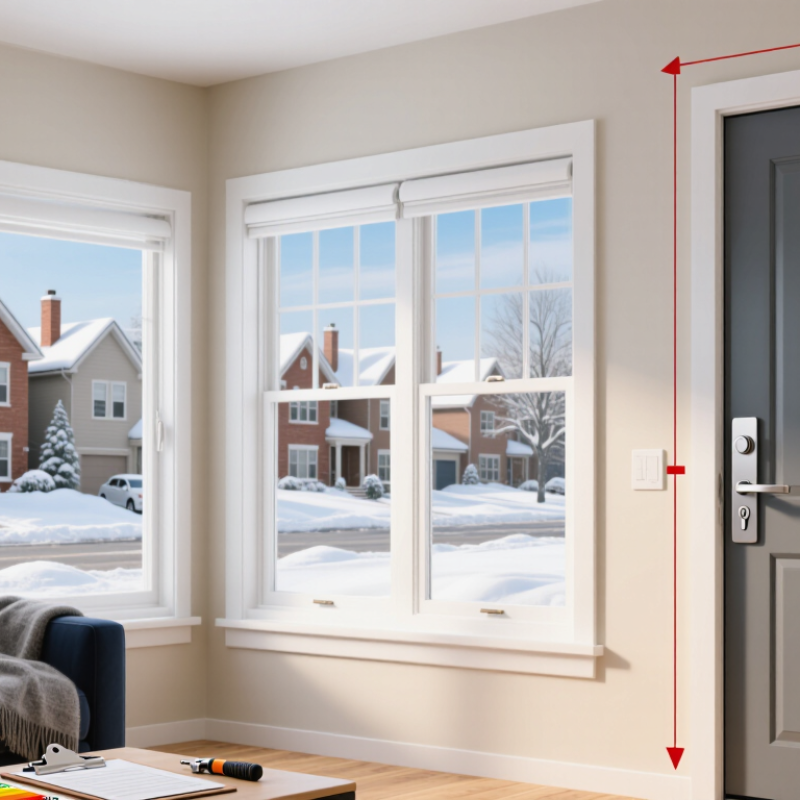
In Nepean, window and door sizing must match the existing opening, wall depth, and drainage path. Measure width and height at three points, then record the smallest result. Check the rough opening, jamb depth, sill angle, and exterior trim. Measure twice. Small gaps matter. A rough estimate is not enough, even for experienced installers.
Style should support both appearance and performance. Casement windows usually provide strong ventilation and tight closure, while sliding units need less operating space. Fiberglass, vinyl, and wood offer different maintenance and insulation characteristics.
Custom options include low-emissivity glazing, triple panes, divided-light grids, obscure glass, reinforced locks, and insect screens.
Natural Resources Canada’s “Keeping the Heat In” guidance identifies windows and doors as a significant source of household heat loss. The U.S. Department of Energy estimates that windows can account for 25–30% of residential heating and cooling energy use.
Select U-factor, solar heat gain, and air-leakage ratings together, not separately.
Installation quality can defeat a good product. The opening should be square, structurally sound, and free from rot or moisture damage. Installers should use compatible flashing, low-expansion foam, backer rod, and exterior sealant.
Interior air sealing matters in Nepean’s cold winters. The National Fenestration Rating Council emphasizes comparing standardized performance ratings, but ratings do not replace site judgment.
I would also confirm egress needs, sill height, delivery access, and municipal requirements before ordering. Perfect measurements are rare; careful rechecking is better than pretending otherwise.
Choosing the Right Nepean Doors and Windows for Your Property
Choosing the Right Nepean Doors and Windows for Your Property
Nepean homes face cold winters, strong winds, and repeated freeze-thaw cycles. Your door and window choices should match those conditions. Natural Resources Canada reports that windows, doors, and skylights can cause up to 35% of a home’s heat loss. Therefore, compare U-value, air leakage, and installation quality, not only the glass package. Lower U-values generally indicate better insulation. Look for products with tested performance data and certified installation methods.
For older homes, inspect the frames before ordering replacements. Soft wood, cracked masonry, and hidden moisture can reduce performance. A tight seal matters. Use low-expansion foam around the frame, then finish the exterior with durable flashing. Canada Mortgage and Housing Corporation guidance also emphasizes controlling water entry and air leakage around openings. In practice, a modest window installed correctly can outperform an advanced window installed poorly.
Consider room orientation, too. South-facing windows may provide useful winter sunlight, while west-facing glass can create summer overheating. Exterior shading may help. A perfect window does not exist. My first choice is not always the most expensive option. A quiet bedroom may need laminated glass, while a basement window needs dependable drainage and emergency egress clearance. Check local building requirements before purchasing, and ask installers for written warranty terms, drainage details, and measured installation tolerances.








 Get a Free Quote
 See our Doors





 Start your estimate