Top 10 High Volatile Coal Suppliers for Global Buyers
Global coal trade is entering a more selective phase. The International Energy Agency’s Coal 2024 report expects global coal demand to remain near record levels through 2027, despite faster renewable growth. Meanwhile, the Energy Institute Statistical Review of World Energy 2024 shows that Asia continues to dominate coal consumption and seaborne purchasing. These trends keep High Volatile Coal important for steelmakers, coke producers, and industrial users seeking stable combustion performance and competitive pricing.
This guide examines ten suppliers active in international High Volatile Coal markets. It considers production scale, export infrastructure, coal quality, shipment reliability, and documented market presence. Quality matters. Buyers should check volatile matter, ash, sulfur, moisture, calorific value, and coking properties against ASTM or ISO testing procedures. A cargo that looks attractive on paper may perform differently after blending, storage, or ocean transport.
The ranking is not permanent.
Public trade data can lag. Supplier disclosures may also use different testing bases. Therefore, this list should support due diligence, not replace it. UN Comtrade records, port statistics, producer reports, and independent laboratory certificates provide useful cross-checks. The IEA and Energy Institute offer broader market context, but neither report verifies every supplier or shipment. That limitation deserves attention. Global buyers should compare contract terms, inspection provisions, responsible sourcing policies, and applicable import regulations before making a purchase. In practice, the strongest supplier is not always the largest producer. It is often the partner that delivers consistent specifications, clear documentation, and practical communication when conditions change.
Definition and Key Properties of High-Volatile Coal
High-volatile coal generally refers to coal containing a high proportion of volatile matter released during heating. The exact threshold depends on the testing standard and reporting basis. In many trading specifications, bituminous coal above about 31% volatile matter on a dry, ash-free basis is considered high volatile. This figure can mislead when laboratories use different methods. Global buyers should verify the basis, test temperature, holding time, and sampling procedure.
When heated, this coal releases gases quickly and produces a long, bright flame. It can ignite readily, but combustion control becomes more demanding. A boiler operator may need careful air adjustment to limit unburned carbon, smoke, or unstable firing. High-volatile coal often offers strong flame reactivity and useful heat output. Its performance depends on moisture, ash, sulfur, calorific value, and particle size. Some grades soften and swell, while others behave more like non-caking fuel. Volatile matter alone cannot predict furnace behavior.
In practical supplier evaluations, buyers should compare certificates with loading records and independent inspection results. Small sampling errors can change the commercial picture. A wet cargo may deliver less usable energy than its laboratory figure suggests. Storage also matters. Fine, reactive coal can heat internally when ventilation and monitoring are poor. I would question unusually uniform data, especially when mine, port, and laboratory results disagree. Even experienced teams can overvalue one high calorific figure. That mistake is easy to make.
Global Demand Factors and Major Mining Regions
Top 10 High Volatile Coal Suppliers for Global Buyers
Global demand for high volatile coal depends on power generation, cement production, and selected steelmaking blends. Its higher volatile matter can support easier ignition, but buyers must check ash, sulfur, moisture, and calorific value. A cargo with attractive energy content may still perform poorly after wet weather or blending.
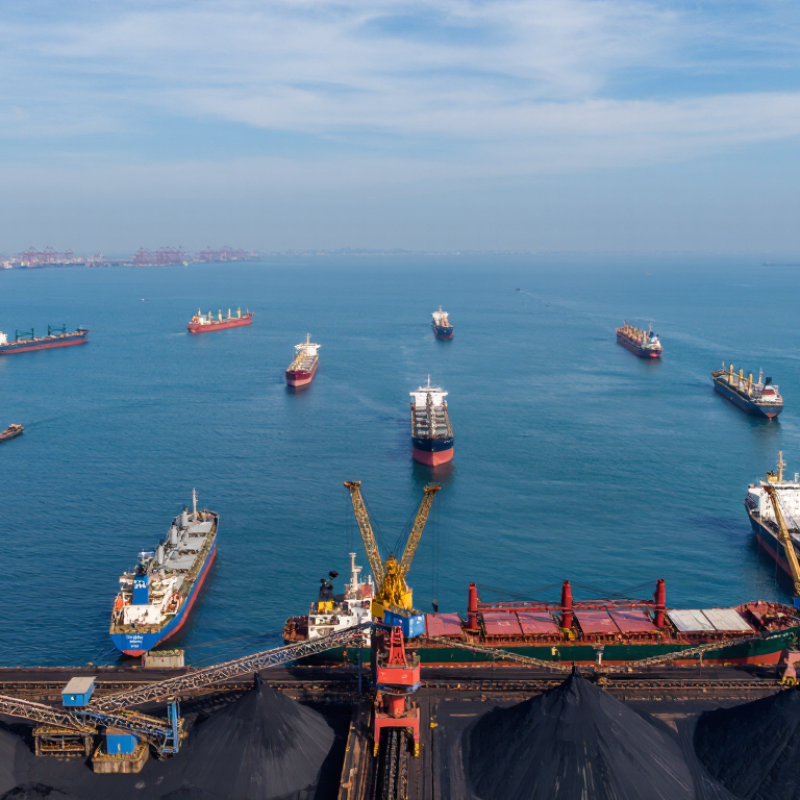
Major mining regions include Australia, Indonesia, Colombia, South Africa, the United States, and parts of Russia. Australian supply often benefits from developed rail and port systems. Indonesian coal serves nearby Asian markets, where shorter sailing distances can reduce delivery time. Colombian and South African producers offer seaborne options, although logistics can shift quickly. U.S. mines provide varied specifications, but inland transport may influence final costs.
Demand is also shaped by monsoon seasons, electricity shortages, freight rates, carbon policies, and changes in regional inventories. Buyers should compare test certificates with independent sampling at loading and discharge ports. Mine location matters, but so do stockpile management and vessel scheduling. The top ten supplier positions can change within months. That makes fixed rankings imperfect. A practical sourcing review should examine production consistency, reserve quality, contract transparency, and compliance with import rules before purchase.
Selection Criteria for Evaluating International Coal Suppliers
Top 10 High Volatile Coal Suppliers for Global Buyers
Selection Criteria for Evaluating International Coal Suppliers
Selecting high volatile coal suppliers requires more than comparing quoted prices. Buyers should examine recent laboratory reports for calorific value, ash, sulfur, volatile matter, and total moisture. These figures affect furnace performance, handling costs, and emissions planning. Ask for test results from independent laboratories, not only internal quality sheets. Small differences matter.
Delivery history reveals practical reliability. Review shipment records, loading port performance, vessel coordination, and responses to quality claims. A supplier may offer attractive terms but lack stable production during wet seasons. Check mine capacity, stockpile arrangements, and backup logistics. Delays become expensive quickly. Very quickly.
Professional suppliers provide clear specifications and traceable documentation. Their contracts should define inspection points, sampling methods, rejection rights, payment stages, and delivery tolerances. Buyers should also verify ownership records, export permissions, safety practices, and compliance with applicable international trade laws. Transparent answers usually indicate stronger operational control.
A useful evaluation model can score quality consistency, delivery performance, financial stability, communication, and environmental reporting. Speak with previous commercial customers when possible. Still, no scorecard is perfect. One shipment can pass inspection while the next varies because of blending or weather. Recheck performance regularly, keep independent samples, and challenge assumptions before expanding purchase volumes.
Top 10 High-Volatile Coal Suppliers for Global Buyers
Selection criterion shown: typical volatile matter content on a dry basis. Higher volatile matter generally supports easier ignition, but buyers should also verify ash, sulfur, moisture, calorific value, logistics, and independent certificate-of-analysis results before contracting.
Values are indicative market-specification benchmarks compiled from publicly available coal-quality ranges and international coal-rank conventions. Actual cargo quality may vary by mine, seam, shipment, and testing method.
Top 10 High-Volatile Coal Suppliers for Global Buyers
Top 10 High-Volatile Coal Suppliers for Global Buyers
The top 10 high-volatile coal suppliers for global buyers should be judged by more than shipment size. Reliable suppliers provide recent laboratory reports, stable volatile matter, and clear moisture data. Their coal typically supports efficient combustion, but performance changes with ash, sulfur, calorific value, and milling conditions. Buyers should compare cargo samples from several loading periods. One test is not enough.
A practical supplier review includes mine ownership, export experience, port access, stockpile controls, and loading accuracy. Strong suppliers explain their quality tolerances before contract signing. They also support independent inspection at the loading port. Payment terms, insurance coverage, and delivery records deserve equal attention. A low offer can hide costly delays. I have found that communication often reveals more than a polished specification sheet. Still, even experienced buyers can misjudge seasonal quality changes.
Tips: Request a sealed sample, full test history, and a draft quality clause. Confirm sampling methods with an independent inspector. Check whether the supplier can handle your preferred vessel size and destination rules. Ask how rejected cargo is managed. Keep a written record of every promise. Small details matter. A perfect supplier rarely exists, so leave room for verification, negotiation, and honest reassessment before shipment.
Top 10 High Volatile Coal Suppliers for Global Buyers - Top 10 High-Volatile Coal Suppliers for Global Buyers
Note: Quality figures are representative commercial ranges for high-volatile thermal coal and may vary by mine, seam, preparation method, shipment and contract specification. Volatile matter is commonly reported on a dry basis, while calorific value is shown on a gross-as-received basis.
Quality Standards, Logistics, Pricing, and Trade Risks
Top 10 High Volatile Coal Suppliers for Global Buyers
High-volatile coal requires disciplined testing, not attractive specifications alone. Buyers should request proximate analysis, sulfur, ash, moisture, calorific value, and size distribution. ASTM and ISO methods improve comparability between mines and laboratories. Volatile matter can change with sampling and reporting basis. Small differences matter.
The International Energy Agency’s Coal 2024 report expects global coal demand to remain near record levels through 2027. This supports demand, but it does not guarantee stable margins. Pricing should combine a recognized regional benchmark, quality adjustments, and freight costs. The World Bank’s Commodity Markets Outlook shows that coal prices can weaken sharply when supply expands or industrial demand slows. Fixed-price contracts may look convenient. They can also age badly.
Logistics deserve equal attention. Coal cargoes need moisture control, stockpile monitoring, and clear loading schedules. High moisture reduces delivered energy and increases handling costs. The International Maritime Organization’s data on maritime trade underlines the sector’s dependence on ocean transport, where congestion, weather, and vessel shortages can quickly change freight economics. Buyers should verify certificates, origin records, inspection rights, and emergency clauses. Import duties and environmental rules may also change during a contract. Some supplier rankings look objective, but their data may be incomplete. A careful buyer should test the assumptions, not merely trust the table.









 Get a Free Quote
 See our Doors





 Start your estimate