The construction industry is evolving, and aluminum profiles are at the forefront of this change. Aluminum Profile for Glass Curtain Wall systems offer a unique blend of aesthetics and functionality. They provide structural support while enhancing the visual appeal of buildings. In addition, these profiles are lightweight yet incredibly strong, making them an ideal choice for modern architecture.
Understanding the top aluminum profiles is essential for architects and builders. It ensures that the final design is not only beautiful but also durable and energy-efficient. As the demand for glass curtain walls increases, the choice of aluminum profiles becomes even more critical. However, not all profiles are created equal. Some may not meet specific environmental or durability standards. Choosing the right profile can sometimes be overwhelming.
In this guide, we will explore ten prominent aluminum profiles for glass curtain walls. Each profile has unique features that suit different project needs. This exploration will help you make informed decisions that combine both innovation and reliability. We will reflect on the pros and cons of each profile. Making the right choice can greatly impact your project's success.
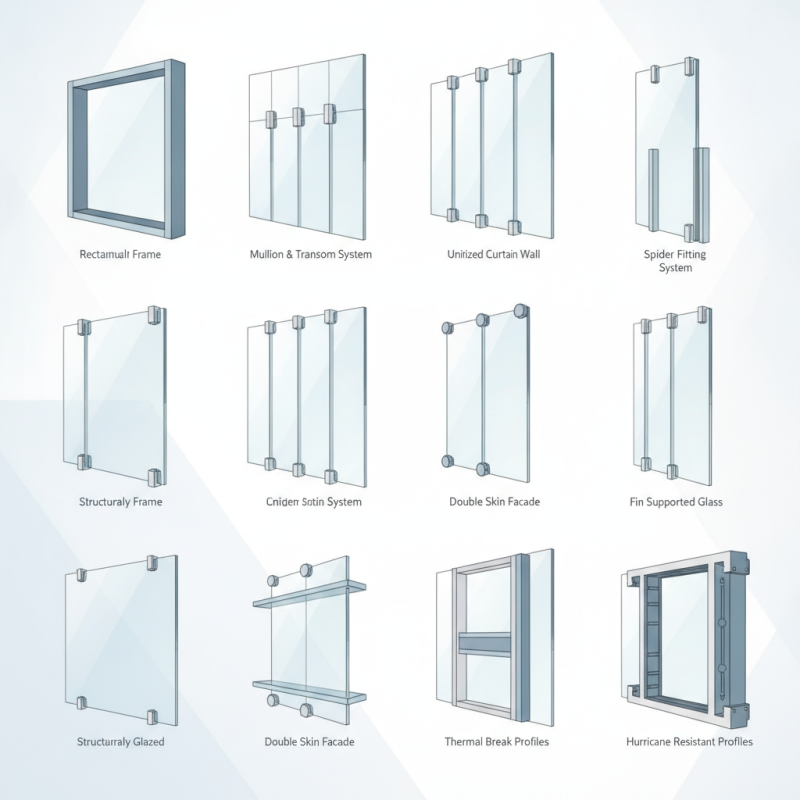
Aluminum profiles are crucial in the construction of glass curtain walls. They provide structural support and enhance the aesthetic appeal of a building. According to a 2021 industry report, the market for aluminum profiles is expected to reach $40 billion by 2027. This indicates a growing demand, driven by their durability and lightweight characteristics.
Understanding aluminum profiles involves recognizing their role in energy efficiency. Effective thermal breaks within these profiles can reduce energy consumption significantly. A study in 2020 noted that buildings with optimized aluminum profiles saw energy savings of up to 20%. However, not all profiles perform equally. Some designs can lead to thermal bridging, which negates energy-saving benefits.
Furthermore, the selection of aluminum profiles is not always straightforward. Factors like compatibility with glass thickness, environmental exposure, and ease of assembly must be weighed. With evolving building codes, architects and builders face the challenge of adapting to new regulations while maintaining design integrity. The importance of choosing the right profile cannot be overstated. It impacts not only the structure's longevity but also its operational cost. Proper attention to these details results in better-performing buildings.

When selecting aluminum profiles for glass curtain walls, key features are paramount. Aluminum is prized for its strength and durability. It significantly reduces maintenance costs over time. Reports indicate that proper design can increase energy efficiency by as much as 30%. Lightweight aluminum profiles ease installation and reduce structural load. They are ideal for various architectural applications, accommodating expansive glass areas.
Thermal performance is another important feature. High-quality aluminum profiles often include thermal breaks. This design minimizes heat transfer. Studies show that such profiles can enhance insulation values significantly. Additionally, corrosion resistance is essential. Aluminum naturally forms a protective oxide layer. This feature extends the service life of curtain walls exposed to harsh weather conditions.
Aesthetic versatility is a notable factor. Aluminum profiles can be customized in various finishes and colors. This adaptability is crucial for modern architectural designs. Flexibility in design is required to meet client expectations. However, not all profiles perform equally. Poorly designed profiles can lead to leaks and structural failures. Thorough research is essential to avoid these pitfalls.
When selecting aluminum profiles for glass curtain walls, understanding their applications is crucial. Aluminum profiles play a vital role in providing structure and durability while maintaining aesthetic appeal. These profiles can differ significantly in design and functionality. Some profiles are lightweight, making installation easier. Others are robust, offering enhanced stability under various conditions.
For example, some profiles feature thermal breaks to improve energy efficiency. They help reduce heat transfer, which can lead to lower energy costs. Other profiles might include integrated drainage systems, preventing water accumulation. This is essential for maintaining the integrity of the wall over time.
Although many options exist, it's essential to choose profiles suited for specific climate conditions and design preferences. A well-informed choice will influence both performance and longevity. However, not every profile will meet the expectations of every project. It's vital to consider the unique needs of each application. Always keep in mind that the right profile makes a difference in the success of the installation.
When selecting aluminum profiles for glass curtain walls, strength, durability, and aesthetics are crucial. Strong aluminum profiles provide excellent support for heavy glass panels. Their structural integrity is essential to withstand wind loads and temperature changes. Consider the thickness and alloy used; these factors influence the overall strength. Thicker profiles may offer more strength but can also add weight.
Durability is key for long-lasting performance. High-quality aluminum can resist corrosion and environmental damage. This resistance ensures that the curtain wall maintains its look and performance over time. Regular maintenance is important, yet some profiles require less care than others. Knowing the advancements in coating technologies can save time and effort.
Aesthetics also play a significant role. The right aluminum profile can enhance the visual appeal of a building. Slim profiles provide a modern look, allowing more glass exposure. However, broader profiles may offer greater structural support. It's a balance between style and functionality. Deciding which aspects are most important requires reflection. Each project has unique demands and considerations.
When installing aluminum glass curtain walls, precision is crucial. Start by ensuring that the structure is level and that the frame is adequately supported. This minimizes the risk of warping or damage. Always follow manufacturer guidelines for spacing and alignment. Regular checks during the installation process can prevent future issues.
Maintenance of these curtain walls is equally important. Clean the glass regularly with a soft cloth to prevent scratches. Inspect the aluminum frames for any signs of corrosion or wear. Consider using protective coatings for added longevity. Addressing minor issues promptly helps avoid more significant problems later on. Remember, even the best installations need some care and attention to detail.
Call us one of our 3 offices across Ontario, Canada
Thanks for contacting us!
We'll get back to you as soon as possible.