Top 5 Tips for Choosing European Style Tilt and Turn Windows?
When it comes to selecting the perfect European style tilt and turn windows, expert Marco Schneider emphasizes the importance of functionality and aesthetics. “These windows offer versatility that enhances both design and practicality,” he notes. Choosing the right windows can feel overwhelming. The variety of styles, materials, and features all play a critical role in making an informed decision.
European style tilt and turn windows are celebrated for their innovative design. They provide excellent ventilation while ensuring safety and energy efficiency. Each window style serves different needs, but some choices can lead to disappointment if not carefully considered. It’s crucial to reflect on the specific requirements of your space. Factors like climate, architectural style, and personal preference significantly influence the selection process.
Many buyers rush into decisions without assessing their options fully. This can lead to mismatched expectations and regrettable choices. Taking the time to explore various designs, materials, and functions is vital. Understanding the nuances of European style tilt and turn windows will ultimately lead to a more rewarding investment in your home.
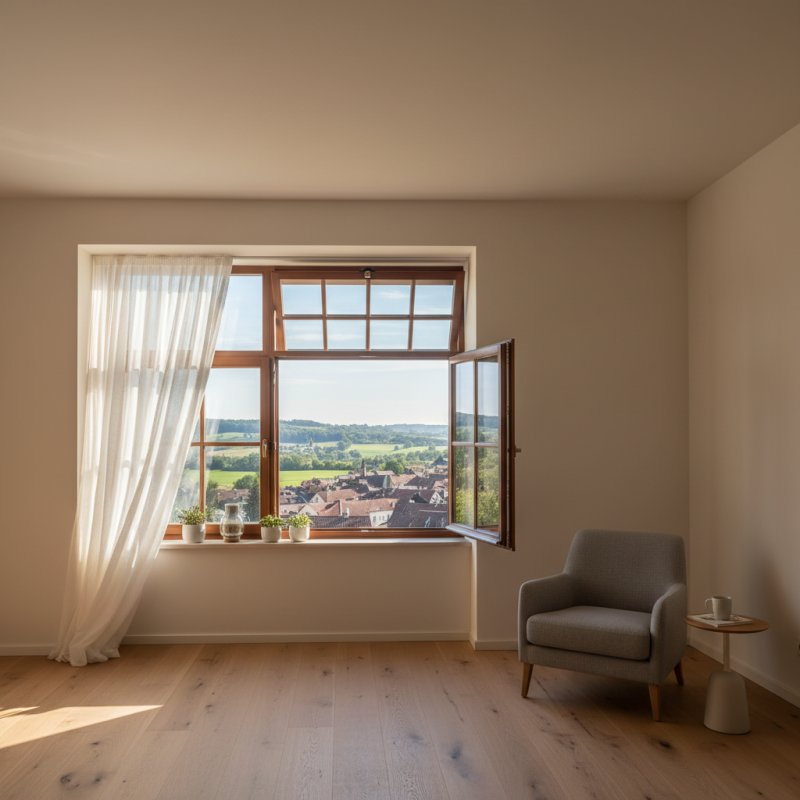
Understanding the Basics of European Style Tilt and Turn Windows
European style tilt and turn windows offer a unique blend of functionality and aesthetics. These windows can be tilted for ventilation or turned fully open, giving homeowners flexibility. The design features multi-point locking systems which enhance security, making them a reliable choice for many.
Understanding the basics is essential before choosing these windows. They typically have a sleek profile, suitable for both modern and traditional homes. The double-glazed option provides excellent insulation, aiding energy efficiency. However, installation can be tricky. If not done correctly, these windows may not function as intended. Ensure to assess the frame materials too; uPVC is low maintenance but can lack the charm of wooden frames.
While aluminum options are durable, they can be more expensive. Pay attention to the color and finishes, as they greatly impact your home’s look. Customization is an option but can complicate the decision-making process. Consider how these windows will blend with your existing decor, and don’t forget to consult with professionals for insights.
Materials and Energy Efficiency Considerations
When considering European style tilt and turn windows, energy efficiency is paramount. Many homeowners overlook the significance of materials used in window manufacturing. Based on the National Fenestration Rating Council (NFRC), windows account for up to 30% of a home’s heating and cooling energy loss. Choosing high-performance materials can drastically reduce this inefficiency.
Vinyl and fiberglass are popular choices for window frames. Both materials offer low thermal conductivity. Research indicates that vinyl frames can reduce energy loss by up to 50% compared to traditional aluminum. These options also require less maintenance, which can be appealing. However, some homeowners might find vinyl aesthetically lacking. It is vital to balance aesthetics with efficiency.
Glass type is equally critical. Low-emissivity (Low-E) glass helps minimize heat transfer, enhancing energy savings. Reports show that Low-E coated windows can improve energy efficiency by 12% to 15%. However, these windows tend to be pricier. Evaluating upfront costs versus long-term savings is essential. Ultimately, understanding the trade-offs and selecting the right materials will aid in making an informed choice.
Energy Efficiency Ratings of Tilt and Turn Windows
Style and Aesthetic Compatibility with Your Home
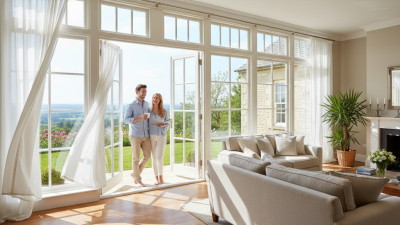
Choosing the right windows can enhance your home's overall aesthetic. European style tilt and turn windows offer a unique combination of functionality and beauty. Their sleek design seamlessly integrates with various architectural styles, from modern to traditional. When selecting these windows, evaluate how they complement your existing decor.
Consider the color and finish of the windows. A contrasting color can make a bold statement, while a matching shade creates harmony. Additionally, think about the materials. Wood, aluminum, and vinyl provide different looks and feel. They each come with maintenance considerations that might impact your long-term satisfaction.
Lighting is also crucial. How sunlight interacts with your windows affects your space. Experimenting with window placement can dramatically change your home's vibe. Reflect on how the windows will look in different weather conditions. This consideration ensures you choose a style that remains attractive year-round. A thoughtful approach allows you to marry form and function while staying true to your personal style.
Top 5 Tips for Choosing European Style Tilt and Turn Windows
| Tip |
Description |
Aesthetic Consideration |
Functional Benefit |
| 1. Assess Your Home's Style |
Consider the architectural style of your home to complement it with the appropriate window design. |
Classic, modern, or rustic - choose designs that reflect these styles. |
Enhances visual cohesion and allows for natural light. |
| 2. Choose the Right Materials |
Select materials that match your home's existing features for durability and style. |
Wood, aluminum, or uPVC can dramatically change the look. |
Provides insulation and longevity while offering aesthetic appeal. |
| 3. Consider Energy Efficiency |
Look for energy-efficient designs to reduce your home's carbon footprint. |
Double or triple glazing options enhance thermal performance. |
Lower energy bills while maintaining a comfortable interior climate. |
| 4. Assess Security Features |
Evaluate the security features available to protect your home. |
Stylish locks and reinforced frames can enhance security without compromising looks. |
Improves safety while maintaining an elegant design. |
| 5. Consult a Professional |
Get expert advice on the best options for your home. |
Professionals can recommend styles that work harmoniously with your home. |
Ensures proper installation and optimal performance of the windows. |
Importance of Professional Installation and Maintenance Tips
Choosing European style tilt and turn windows involves careful consideration of installation and maintenance.
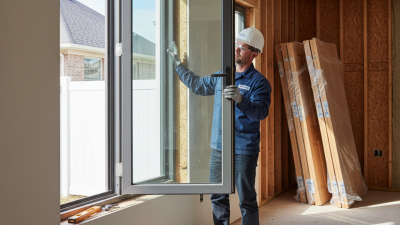
Professional installation is crucial. A skilled installer understands the unique mechanics of these windows. They ensure that the tilt and turn mechanisms function smoothly.
Gaps or misalignments can lead to air leaks or water damage. Proper installation enhances durability and safety.
Maintenance plays a vital role in the longevity of these windows. Regular cleaning is essential to prevent dirt buildup. A simple wash can improve functionality.
Lubrication of moving parts is often overlooked but necessary. It keeps the window easy to operate and reduces wear.
If neglected, small issues can lead to costly repairs. Understanding how to maintain tilt and turn windows can save homeowners time and money in the long run.









 Get a Free Quote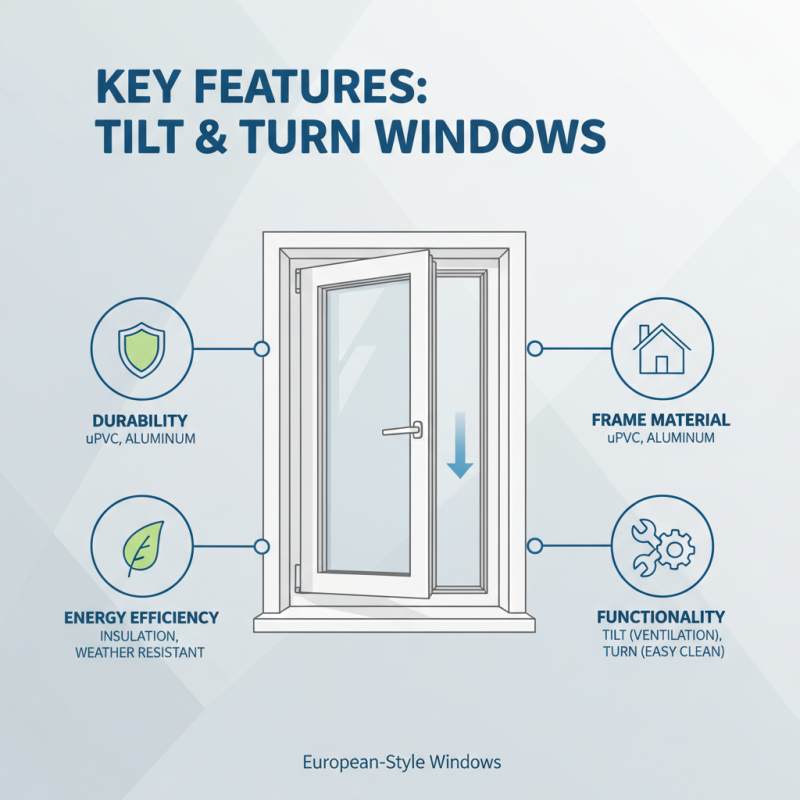
 See our Doors





 Start your estimate