10 Tips for Maximizing the Benefits of Large Windows in Your Home?
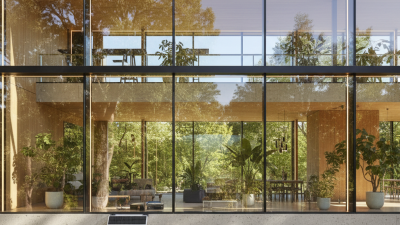
Large windows can transform any living space into a light-filled haven. Architect Maria Gonzalez emphasizes, “Large windows invite the outside in, creating a seamless connection with nature.” Their expansive glass panes not only enhance aesthetics but also improve mood and well-being. However, maximizing their benefits requires thoughtful planning and consideration.
When using large windows, consider how they frame your view. Think about the landscape outside. Do you want a garden, a cityscape, or nature? Ensure these windows are strategically placed to showcase the most appealing aspects. Lighting also plays a crucial role. Natural light can create warmth in winter but may lead to overheating in summer. Balancing light with effective shading is essential.
Moreover, maintenance shouldn't be overlooked. Clean your large windows regularly to enjoy unobstructed views. Think about privacy — large windows can expose your space. Implementing sheer curtains or blinds can help create a cozy environment while maintaining your desired aesthetics. Reflect on these aspects to truly appreciate the benefits large windows can offer in your home.
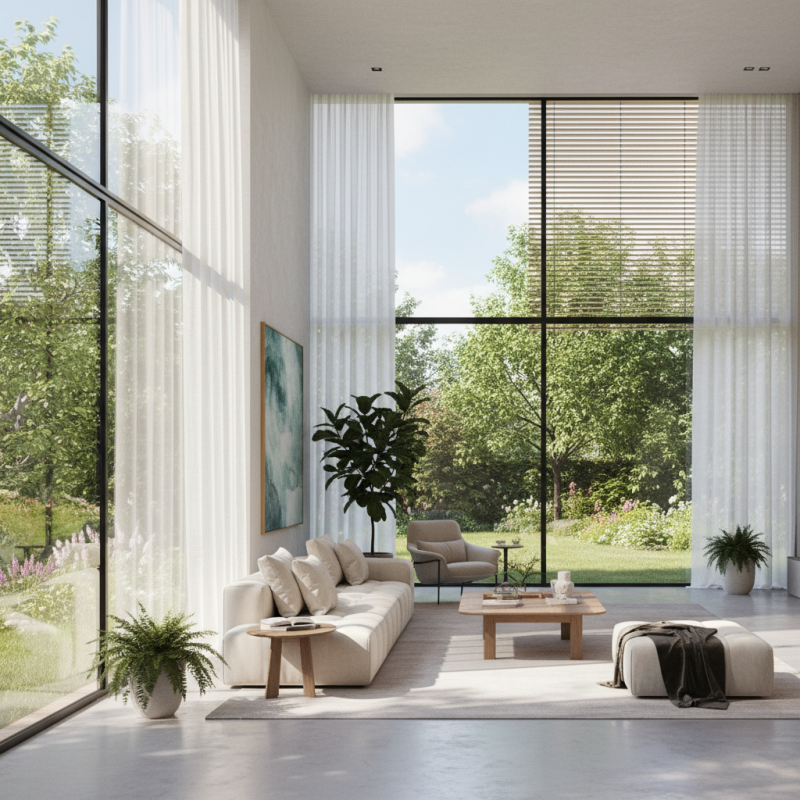
Selecting the Right Location for Large Windows in Your Home
Choosing the right location for large windows can enhance natural light and the view. Studies show that homes with ample natural light can see an increase in property value by up to 15%. A well-placed window can frame a beautiful landscape or allow sunlight to illuminate dark corners. Consider south-facing walls for maximum sunlight exposure, especially during winter months. This can significantly reduce heating costs.
However, selecting the right location isn't always straightforward. Too much sunlight can lead to overheating in summer, creating uncomfortable living spaces. Rooms like bedrooms may not benefit from large windows facing the east, as morning light can disrupt sleep patterns. Think about your daily routine and how light enters your space. Natural light impacts mood and productivity, yet balancing functionality and aesthetics is crucial.
Additionally, architectural style plays a role. Oversized windows might look stunning but could clash with the overall design. Every home has its quirks. Unexpected shadows or reflections can diminish the intended effect of your windows. It's important to monitor how light moves throughout the day and season. Making changes can feel overwhelming, but carefully considering window placement can lead to long-term satisfaction in your home.
Choosing Energy-Efficient Glass for Optimal Performance
Choosing energy-efficient glass can greatly enhance the benefits of large windows in your home. This type of glass helps regulate indoor temperatures. It minimizes heat loss during winter and keeps spaces cooler in summer. Imagine enjoying natural light while keeping your living areas comfortable year-round.
When selecting energy-efficient glass, consider options like double or triple glazing. These provide better insulation. However, installation must be done correctly to avoid gaps. Small mistakes can significantly impact performance. Some homeowners may overlook the importance of proper sealing, leading to drafts and inefficiencies.
Low-emissivity (Low-E) coatings can also enhance energy efficiency. They reduce thermal transmission while allowing sunlight to pass through. However, their effectiveness can vary depending on your home’s orientation. Reflecting on how sunlight enters your space can help in making better choices. Balancing aesthetics with functionality requires careful thought, but investing in the right glass pays off in the long run.
Incorporating Window Treatments for Privacy and Light Control
Large windows can illuminate a room and create a sense of openness. However, they can also expose your space to prying eyes. The right window treatments are essential for achieving privacy without sacrificing natural light. According to a report by the American Institute of Architects, 73% of homeowners prioritize privacy when renovating their spaces. That means finding the right balance is crucial.
Window treatments should be tailored to the specific needs of each room. For example, sheer curtains allow light while maintaining a degree of privacy. On the other hand, blackout shades can provide complete seclusion. It’s important to consider your lifestyle and daily activities. The right choice can enhance comfort, yet some may overlook this. Studies suggest that poorly chosen treatments can detract from the room's aesthetic.
Layering treatments can provide flexibility. Combining shades with decorative drapes creates visual interest. However, this requires careful consideration of color and texture. A mismatch can feel disjointed rather than cohesive. Ensure that functions and styles align with your intended atmosphere. Remember, the goal is to maximize both light and privacy effectively.
Enhancing Indoor-Outdoor Connection with Landscaping
Large windows can transform your home by creating a seamless connection with the outdoors. To enhance this connection, thoughtful landscaping is essential. Start with low-maintenance plants that mirror the colors you see outside. Incorporate flowers that bloom throughout different seasons. This way, your view remains vibrant year-round.
Consider the placement of trees. A strategically placed tree can offer shade and privacy, while still allowing sunlight to filter through your windows. Opt for plants that attract birds and butterflies. This will enrich your view and provide a sense of liveliness. Hardscaping elements, like paths and patios, can create an inviting space that complements the indoor aesthetics.
Reflect on how your current landscaping affects your view. Are there obstacles blocking the light? Is your garden cluttered? Sometimes, less is more. A simple approach can provide a calming atmosphere. Create spots for seating near your windows, inviting you to step outside and enjoy your surroundings. Aim for harmony between the interior and exterior spaces.
10 Tips for Maximizing the Benefits of Large Windows in Your Home
| Tip |
Description |
Benefits |
| 1. Choose the Right Size |
Select large windows that fit the scale of your room to create balance. |
Enhances visual appeal and proportionality. |
| 2. Optimize Natural Light |
Position windows to capture maximum sunlight throughout the day. |
Reduces reliance on artificial lighting and boosts mood. |
| 3. Use Minimalist Frames |
Opt for slim frames to maximize the glass area and views. |
Minimizes visual obstruction and enhances openness. |
| 4. Integrate Indoor and Outdoor Spaces |
Create a seamless transition between indoor areas and patios or gardens. |
Increases connectivity with nature and expands living space. |
| 5. Use Window Treatments Wisely |
Select treatments that allow light while providing privacy when needed. |
Enhances comfort without sacrificing brightness. |
| 6. Consider Seasonal Changes |
Plan window placement and treatments for seasonal light variations. |
Improves energy efficiency year-round. |
| 7. Incorporate Landscaping |
Use landscaping to create visual interest outside the windows. |
Enhances views and adds beauty to home surroundings. |
| 8. Install Energy-Efficient Glass |
Choose windows with low-E glass to improve insulation. |
Reduces energy bills and maintains comfort. |
| 9. Enhance Security |
Use tempered or laminated glass for added safety and security. |
Protects against breakage and improves home security. |
| 10. Maintain Cleanliness |
Regularly clean windows for maximum light and clear views. |
Enhances overall aesthetic and natural lighting benefits. |
Using Smart Technology to Control Natural Lighting Effects
Large windows can transform a home, bringing in natural light and creating an open feel. However, without proper control, too much light can create glare and heat. This is where smart technology comes into play. By integrating smart blinds or shades, homeowners can adjust the lighting throughout the day. Research shows that automated shading can reduce heat gain by up to 80% during peak sunlight hours.
Smart home systems can also track sunlight patterns. They can automatically lower shades or adjust blinds to optimize natural light based on the time of day or weather conditions. According to studies, homes with automated light control systems show a decrease in energy consumption, resulting in savings of up to 30%. This technology allows homeowners to enjoy bright spaces without sacrificing comfort or energy efficiency.
While these systems provide convenience, they also require regular updates and maintenance. Many users overlook this, leading to potential malfunctions. Additionally, not every system is user-friendly. Some may struggle with connectivity issues or lack proper customization options. Homeowners must weigh these factors when investing in smart technology for their windows. Each choice comes with its own set of challenges to consider.










 Get a Free Quote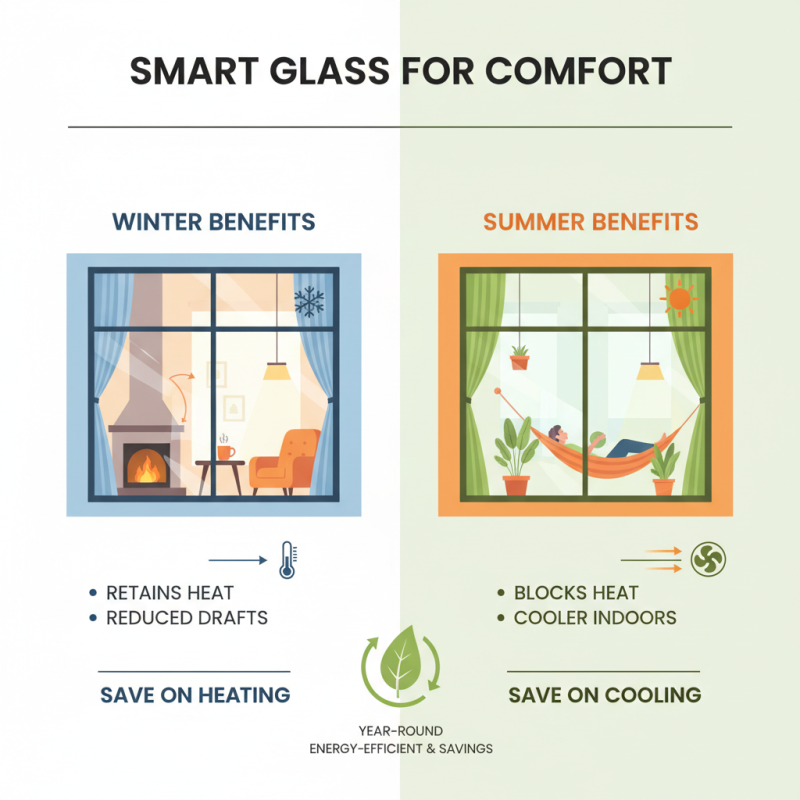
 See our Doors





 Start your estimate