What is European Tilt Windows and How Do They Work?

European tilt windows have gained popularity due to their unique design and functionality. These windows offer a versatile solution that blends modern aesthetics with practical benefits. According to the latest industry report from the American Architectural Manufacturers Association, tilt-turn windows, including the European tilt design, have seen a market growth of approximately 15% over the past five years. This growth can be attributed to their energy efficiency and ease of maintenance.

These windows allow for both inward tilting and side-opening functions. This dual operation enhances ventilation while minimizing security risks. Many users have reported improved indoor air quality, contributing to a healthier living environment. However, proper installation is critical. Misalignment can lead to increased energy costs and reduced functionality.

While the advantages are clear, it's important to recognize that not all manufacturers adhere to the same quality standards. Poorly made European tilt windows may fail to provide the promised benefits. Therefore, selecting a reliable supplier is essential for maximizing performance and longevity.
What is European Tilt Windows and How Do They Work?

Definition of European Tilt Windows and Their Unique Features

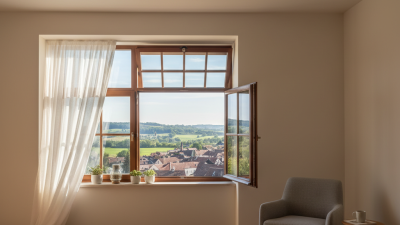
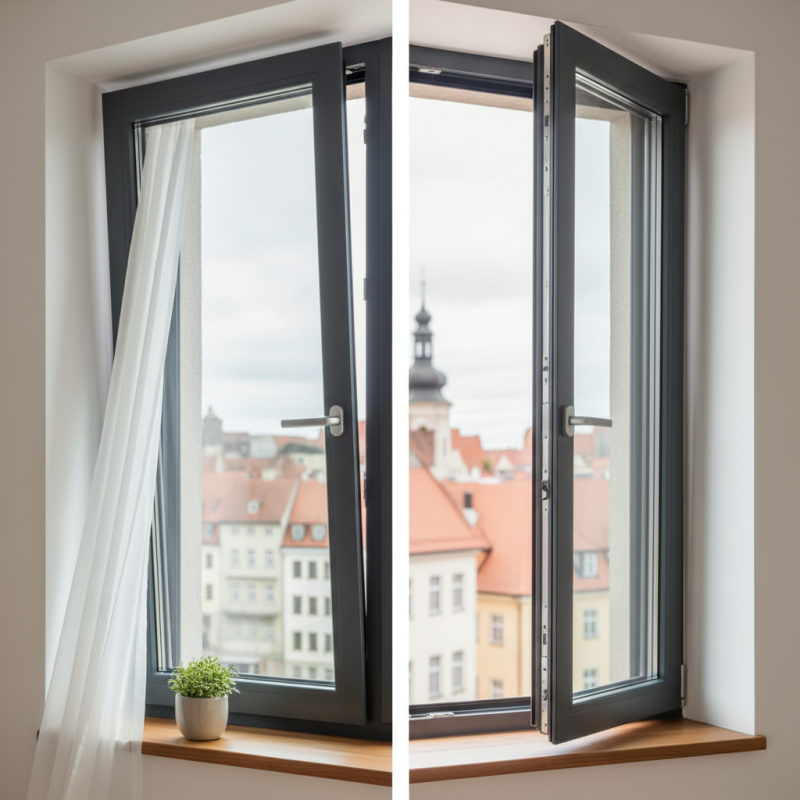
European tilt windows have become increasingly popular due to their unique design and functionality. These windows can be tilted inward or swung open, offering versatility for ventilation and cleaning. Their dual-action mechanism allows homeowners to control airflow effectively. Unlike standard windows, they open from the top or the side, providing a secure option for letting fresh air in while keeping safety in mind.

A defining feature is the multi-point locking system that enhances security. This design not only improves energy efficiency but also adds a modern aesthetic to homes. The windows are well-suited for various architectural styles. However, their operation can be less intuitive for those unfamiliar with it. User experience may vary, and some might find it challenging to maintain the balance between ventilation and safety.

In terms of maintenance, the tilt function allows easy access to both sides of the glass, making cleaning simpler. However, regular upkeep is still necessary to ensure smooth operation. Understanding these features can help homeowners make informed decisions about their window needs. The blend of elegance and practicality makes European tilt windows a valuable addition to any home.
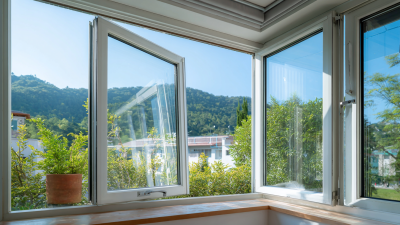
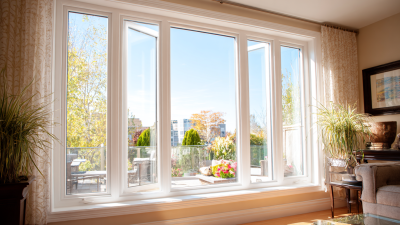
Mechanism of Operation: How European Tilt Windows Function

European tilt windows are known for their unique mechanism that combines flexibility and functionality. These windows can tilt inwards to allow for ventilation without completely opening. This design prevents rain from entering while still providing fresh air. The dual-operation feature is particularly beneficial in urban settings, where airflow is essential, yet security and comfort remain a priority.

The operation starts with a simple turn of the handle. By rotating the handle, the window pivots from the top instead of swinging outward. This pivoting creates an angle that allows air to flow, while maintaining privacy. Furthermore, the adjustable ventilation allows homeowners to control airflow in different weather conditions. However, installation can be tricky. It demands precise measurements and skilled workmanship, leading to potential issues if not done correctly.

Not every user finds this mechanism intuitive. Some may struggle with the handle's dual functions. Frequent adjustments may also wear out the locking mechanism over time. Regular maintenance is necessary to ensure optimal performance. Users should regularly inspect the window seals and hinges for any signs of wear. Understanding this operation enhances appreciation but also highlights the need for careful handling and regular checks.

What is European Tilt Windows and How Do They Work?

Feature Description Benefits Common Materials
Tilt Function Allows the window to tilt inwards for ventilation. Improved airflow while maintaining security. PVC, wood, aluminum.
Dual Operation Can fully open like a casement or tilt for ventilation. Versatile use for different environments. High-quality glass, insulated frames.
Energy Efficiency Designed to reduce heat loss. Lower energy bills and improved comfort. Low-E glass, argon-filled frames.
Safety Features Equipped with multi-point locking systems. Enhanced security against break-ins. Reinforced frames and glazing.

Benefits of Using European Tilt Windows in Residential Spaces

What is European Tilt Windows and How Do They Work?

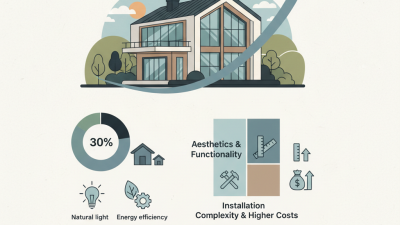
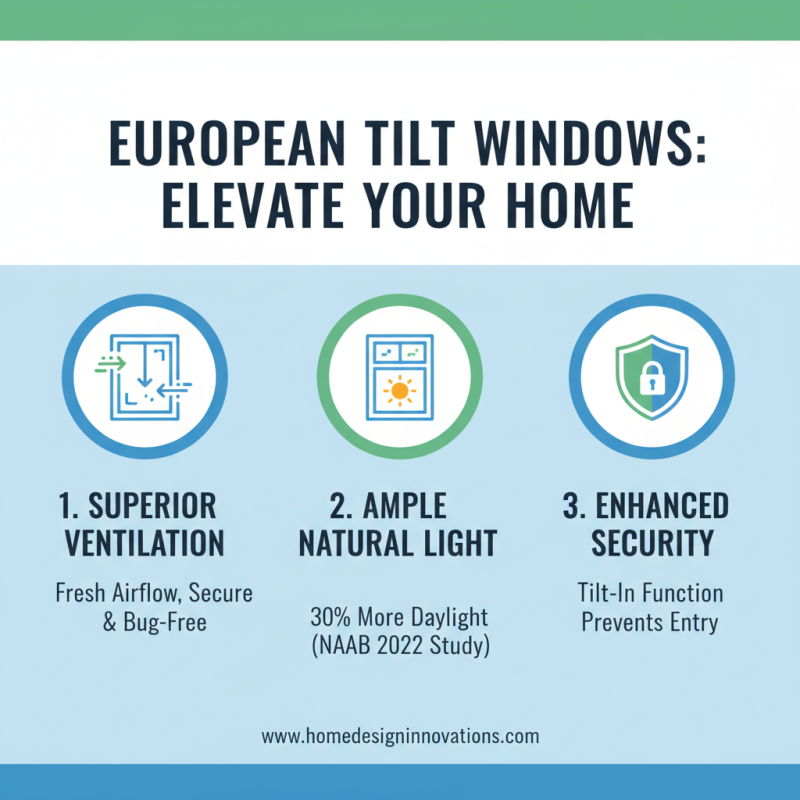
European tilt windows offer numerous benefits for residential spaces. They provide excellent ventilation while maintaining security. When tilted inward, these windows allow fresh air to circulate while minimizing the risk of unauthorized entry. According to a 2022 study by the National Association of Home Builders, homes with tilt windows report a 30% increase in natural light compared to traditional designs.

In addition to enhanced airflow, European tilt windows contribute to energy efficiency. The insulating properties help maintain indoor temperatures, reducing heating and cooling costs by up to 25%. The Environmental Protection Agency states that well-insulated homes can save homeowners an average of $200 annually on energy bills. This cost-saving potential is appealing to many homeowners seeking value.

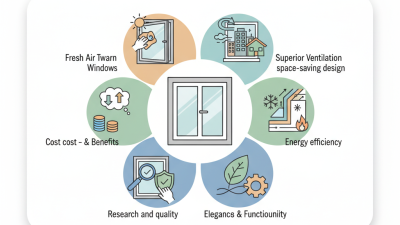
Moreover, the aesthetic versatility of tilt windows cannot be overlooked. They come in various styles and materials. This allows for personalization to match the home’s architectural design. However, installation can be a challenge. Careful attention is needed to ensure proper sealing for optimal performance. While the benefits are clear, some homeowners may struggle with the initial costs and the maintenance regimen. Balancing these factors is essential for informed decision-making in home improvements.

Comparison to Traditional Windows: Pros and Cons

European tilt windows offer distinct advantages and disadvantages compared to traditional windows. Their unique mechanism allows for versatile opening options. You can tilt them inward for ventilation or fully open them for cleaning. This dual functionality sets them apart. They provide excellent airflow while preventing rain from entering. However, some users may find the mechanism can be complex to operate.

On the other hand, traditional windows usually have a straightforward design. They can be cost-effective and simpler to install. Maintenance is often easier, as there are fewer moving parts. But they lack the same level of versatility in ventilation. Drafts can sometimes be an issue with standard window designs.

While European tilt windows enhance aesthetics and energy efficiency, their installation may involve higher upfront costs. These windows also require precise installation. As with any option, it’s vital to weigh the pros and cons. The choice depends not just on preferences, but also on practical needs. Form and function should always go hand in hand.

Installation and Maintenance Tips for European Tilt Windows

What is European Tilt Windows and How Do They Work?

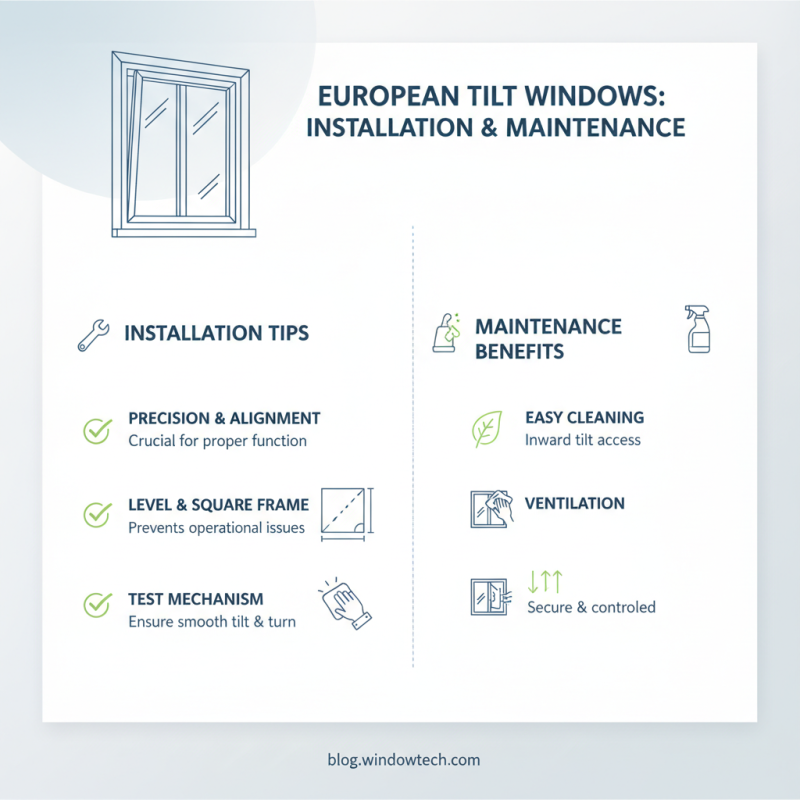
When installing European tilt windows, focus on precision and alignment. These windows utilize a unique mechanism that allows them to tilt inward. This feature facilitates easy cleaning and ventilation. However, incorrect installation can lead to operational issues. Ensure that the window frame is level and square. Misalignment can cause the window to bind and not open properly.

Maintenance is essential for the longevity of European tilt windows. Regular checks for dirt and debris are necessary. Clean the sashes and tracks to prevent malfunction. Lubricate the hinges to ensure smooth operation. Moisture can be a culprit for wear and tear. Inspect seals and weather stripping; replace them if they show signs of wear. Neglecting these details might lead to costly repairs in the future.

While these windows offer aesthetic appeal and functionality, they require consistent attention. Identifying small issues early can prevent larger problems. Engaging a professional for regular maintenance can save time. Emphasizing these aspects establishes reliability in your home’s window system. Consider the time invested in upkeep as one of the keys to functionality and durability.