Why Choose Outdoor Windows for Your Project?

Outdoor windows do more than frame a view. They shape daylight, ventilation, comfort, and the connection between a home and its landscape. The right choice depends on the project: a coastal room faces different conditions from a shaded garden studio. Sun exposure, rain, wind, privacy, and maintenance all deserve attention before the frame color catches your eye.

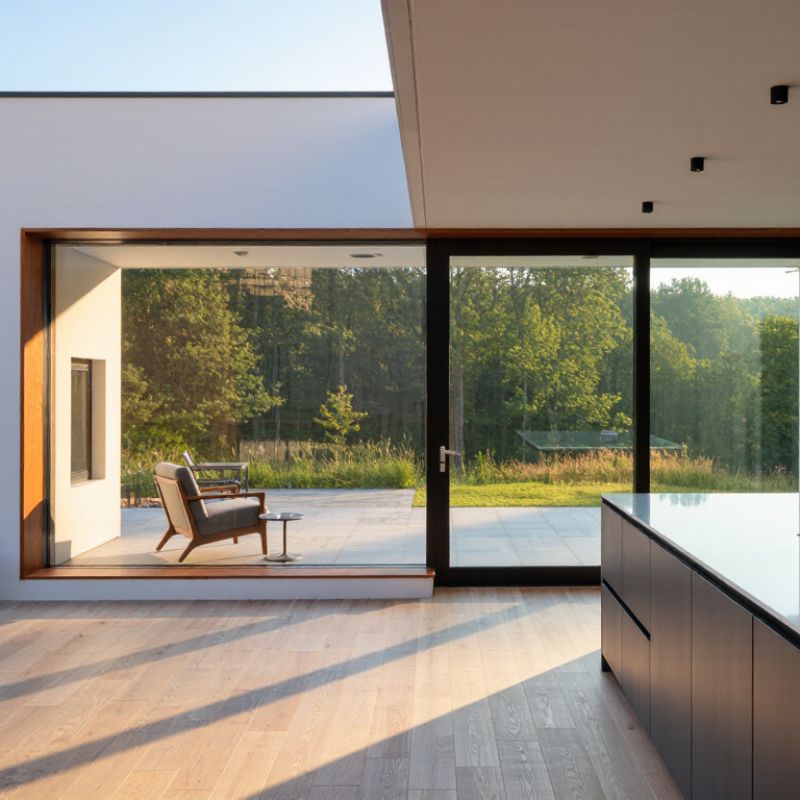
A well-designed window should feel considered from both sides. Picture morning light across a kitchen floor, a quiet reading nook beside a garden, or a wide opening that makes a small room feel less confined. These details matter. So do practical questions: Will the glass reduce unwanted heat? Can the sash open safely and easily? Does the frame suit the building’s materials and upkeep needs?

Fenestration specialist [verified expert’s name] puts it this way: “[Insert a quotation verified against a reliable source.]” No expert source or article was provided, so I can’t responsibly invent a person’s name or attribute a quotation. Replace the bracketed text with a confirmed statement before publication.

This guide explores how outdoor windows can support a project’s appearance and everyday performance. It considers window styles, materials, glazing, placement, and maintenance, with attention to the conditions each project actually faces. Not every large window is a better window. A thoughtful selection balances the view with comfort, function, and long-term care.
Why Choose Outdoor Windows for Your Project?

What Outdoor Windows Are and How They Function

In building projects, outdoor windows usually means exterior-facing window units set into the building envelope. They combine glazing, a frame, seals, and drainage paths. Together, these parts admit daylight and views while helping limit drafts, rain, and unwanted heat transfer. Some units open for ventilation; fixed units do not. Simple, but the details matter.

The U.S. Department of Energy’s Energy Saver guidance estimates that heat gain and loss through windows account for about 25–30% of residential heating and cooling energy use. That makes glass selection relevant, though it is not the whole story. National Fenestration Rating Council labels report values such as U-factor and solar heat gain coefficient. U-factor indicates how readily heat passes through a window; solar heat gain coefficient describes how much solar heat enters. Compare ratings suited to the project’s climate and exposure, not just the glass appearance.

On site, a north-facing window may receive softer light, while a west-facing one can take strong afternoon sun. A well-rated unit can still disappoint if its opening is out of square or its perimeter seal is poorly installed. Check flashing, drainage, and how the window meets the wall finish. Small gaps matter. Product ratings describe tested units, not every finished installation, and that distinction is easy to overlook.
Why Choose Outdoor Windows for Your Project?

What Outdoor Windows Are and How They Function

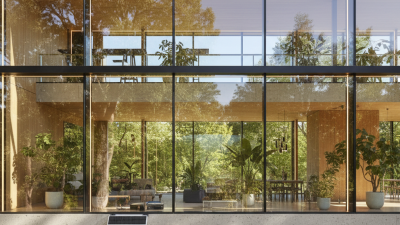
Windows form part of a building’s exterior envelope, bringing in daylight and providing views while helping limit heat transfer. This chart compares representative whole-window U-factors for common glazing configurations. Lower U-factors indicate less heat transfer; actual ratings vary with the frame, glass, spacers, and coatings.

How Outdoor Windows Support Light, Ventilation, and Views

Outdoor windows can make a room feel connected to its surroundings by bringing daylight deeper inside. The effect depends on window size, placement, and nearby obstructions. A narrow window beside a desk may brighten a work surface, while a larger opening can soften a dim living area. Daylight shifts throughout the day, too. A room facing morning sun will feel different from one exposed to strong afternoon light, so consider glare and privacy alongside brightness.

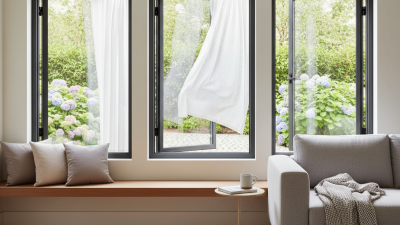
Operable windows can support natural ventilation when outdoor conditions allow. Opening windows on opposite sides of a space may help air move through, though the result depends on layout, wind, and temperature. Fresh air matters. Screens can keep insects out, but airflow may still feel limited on still days. Views deserve equal attention: tree canopies, gardens, or open sky can provide a calmer outlook than a neighboring wall. Yet more glass is not always better. It can increase glare or reduce privacy, and the best placement may be less obvious than it first seems. Check sightlines from where people actually sit and work.

Key Materials and Design Options for Outdoor Windows

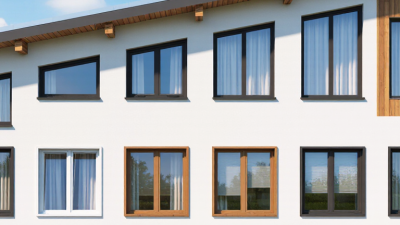
Outdoor windows must handle rain, temperature swings, wind, and strong sunlight. Material choice affects durability, upkeep, and comfort. Vinyl frames resist moisture and need little maintenance, but dark finishes can absorb heat. Aluminum offers slim sightlines and a modern look; ask about thermal breaks to reduce heat transfer. Fiberglass is stable through changing temperatures, while wood brings warmth but needs regular finish checks. No option is perfect.

Tips: Match the frame to your climate and maintenance habits. Inspect samples outdoors, where colors look different. Check drainage paths and hardware, too.

Design choices shape both appearance and daily use. Fixed windows suit views and daylight, while casement styles open wide for ventilation. Sliding windows work well where an outward-opening sash would meet a walkway. Consider glazing based on exposure: low-emissivity glass can help manage heat, and laminated glass can soften outside noise. Frame depth, muntin patterns, and sill details also affect the finished look. A common oversight is choosing a style from a photo without checking how it opens in the actual room. Measure carefully, and confirm that screens, shades, and nearby furniture will fit.

Factors to Consider When Choosing Outdoor Windows

Choosing outdoor windows starts with site conditions, not appearance alone. Note which walls face harsh sun, driving rain, or street noise. A west-facing opening may need solar-control glazing, while exposed, salty air can call for corrosion-resistant hardware. Check climate conditions and the wall construction before choosing frame materials. A good-looking window can still perform poorly if water has no clear drainage path. Small details matter.

Tips: Measure the rough opening, not just the old frame. Ask how the window will be flashed, sealed, and drained. Compare glass options for heat gain, insulation, and noise. Measure twice.

Consider how the windows will be used each day. Large panes bring in daylight, but can make rooms hotter and harder to shade. Operable windows support ventilation, though screens and hardware need regular cleaning. It is tempting to choose the slimmest frame for a cleaner view; however, strength, insulation, and maintenance deserve equal attention. Check product performance data, then discuss installation details with a qualified window professional. Even careful planning can miss something, so review access for future cleaning and repairs before ordering.

How Outdoor Windows Affect Energy Use, Comfort, and Maintenance

Exterior windows shape energy use and daily comfort through heat transfer, drafts, glare, and daylight. The U.S. Department of Energy estimates that window-related heat gain and loss account for 25%–30% of residential heating and cooling energy use. That figure varies by home, climate, and window condition. Still, it shows why selection matters.

Compare certified ratings, not just frame appearance. The National Fenestration Rating Council (NFRC) label lists U-factor and solar heat gain coefficient (SHGC). Lower U-factor means less heat transfer; SHGC indicates how much solar heat enters. A sunny living room may benefit from a lower SHGC, while a cold, shaded room may need a different balance. Ratings help, but they cannot fix poor installation. Small details matter.

Comfort also depends on seals, frame condition, and how windows are maintained. Check caulking and weatherstripping for gaps, and clear grit from tracks before it wears moving parts. In rainy areas, keep drainage openings clear and watch for persistent condensation or soft, discolored wood. AAMA care guidance supports regular cleaning and inspection, but maintenance needs vary by material and exposure. I would not assume a low-maintenance window needs no attention; neglected seals can quietly undermine its performance.

Why Choose Outdoor Windows for Your Project? - How Outdoor Windows Affect Energy Use, Comfort, and Maintenance

Typical considerations for common residential window glazing options
Project Consideration Single-Pane Clear Glass Double-Pane Clear Glass Double-Pane Low-E Glass Triple-Pane Low-E Glass
Typical whole-window U-factor About 0.9–1.2 Btu/h·ft²·°F About 0.45–0.60 Btu/h·ft²·°F About 0.25–0.35 Btu/h·ft²·°F About 0.15–0.25 Btu/h·ft²·°F
What the U-factor indicates Higher heat transfer; the least insulating option in this comparison. Less heat transfer than single-pane glass, but performance varies with the frame and spacer. Low-emissivity coatings reduce radiant heat transfer; gas fill and window construction also affect performance. Two insulating cavities can further reduce heat transfer, particularly useful in colder conditions.
Approximate heat-loss reduction vs. a U-factor 1.0 reference Reference point; actual value depends on the window. About 40–55% lower heat transfer. About 65–75% lower heat transfer. About 75–85% lower heat transfer.
Typical SHGC range About 0.60–0.80; allows substantial solar heat gain. About 0.55–0.75; solar gain depends on glass and construction. About 0.25–0.55; coatings are available to balance solar gain and daylight. About 0.20–0.50; the selected coating strongly affects solar gain.
Indoor comfort Interior glass can feel cold in winter and hot in direct sun; temperature differences may be more noticeable near the window. Usually improves interior glass temperature and reduces radiant discomfort compared with single-pane glass. Can improve comfort while helping manage unwanted solar heat, depending on coating and orientation. Often provides the warmest interior glass surface of these options in cold weather; benefits depend on climate and installation.
Condensation considerations Interior condensation is more likely when indoor humidity is high and the glass surface is cold. Warmer interior glass can reduce condensation risk, but does not eliminate it. Similar potential benefit to double-pane glazing; indoor humidity and edge-of-glass details still matter. Warmer interior surfaces can reduce condensation risk in cold conditions; ventilation and humidity control remain important.
Maintenance considerations Fewer sealed-glass components, but older units may have less efficient frames, seals, or hardware. Keep tracks, drainage paths, and weatherstripping clean and in good condition; check for seal failure or fogging. Care is similar to standard double-pane windows; clean glass with non-abrasive products and follow manufacturer care instructions. Care is similar to other sealed-glass units; inspect seals, hardware, and drainage paths periodically.
Best suited to Projects where existing single-pane units are being assessed or where insulation performance is not the main priority. General upgrades where a moderate improvement over single-pane glazing is desired. Projects seeking a balance of insulation, daylight, and control of solar heat gain. Cold climates, noise-sensitive locations, or projects prioritizing higher insulation performance.

Notes: Figures are typical approximate ranges for residential products, not guarantees for a particular window. U-factor and SHGC vary by glazing, frame, spacer, size, and test method. Lower U-factor means less heat transfer; SHGC describes how much solar heat enters. Actual energy use and comfort also depend on climate, window orientation, shading, air leakage, installation quality, and occupant behavior. Compare whole-window ratings for the specific products under consideration.