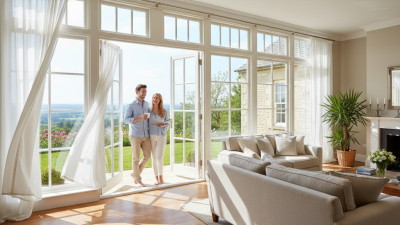
Large windows have become a popular choice in modern home design. They offer the perfect blend of natural light and scenic views. According to a recent report from the American Institute of Architects, 72% of homeowners prioritize large windows in their renovations. This trend highlights the importance of incorporating expansive glass features in living spaces.
However, choosing large windows is not as simple as it seems. You must consider several factors, including energy efficiency and aesthetics. A study by the National Renewable Energy Laboratory revealed that improper window selection can result in increased energy costs by 25%. Such data serves as a reminder: careful planning is crucial when integrating large windows.
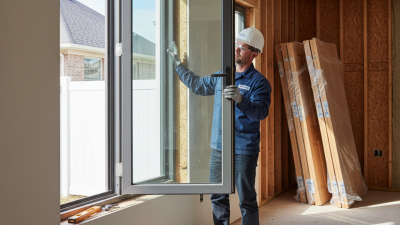
Also, large windows may require additional structural support. Their weight and size can complicate installation. Homeowners must be aware of these challenges to avoid costly mistakes. Despite their allure, large windows come with trade-offs. Evaluating your home’s specific needs is essential for achieving the best results.
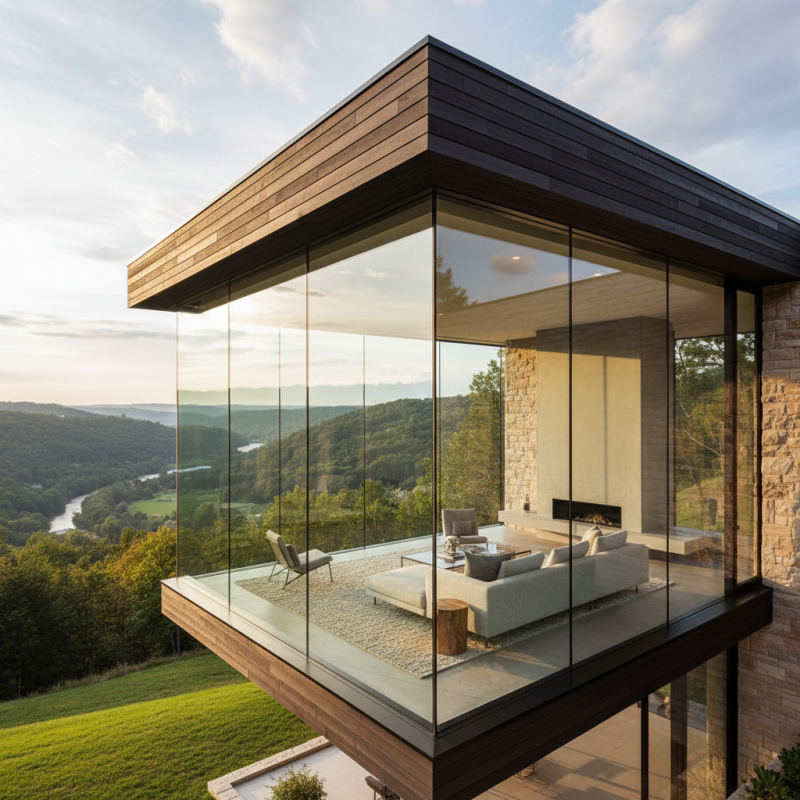
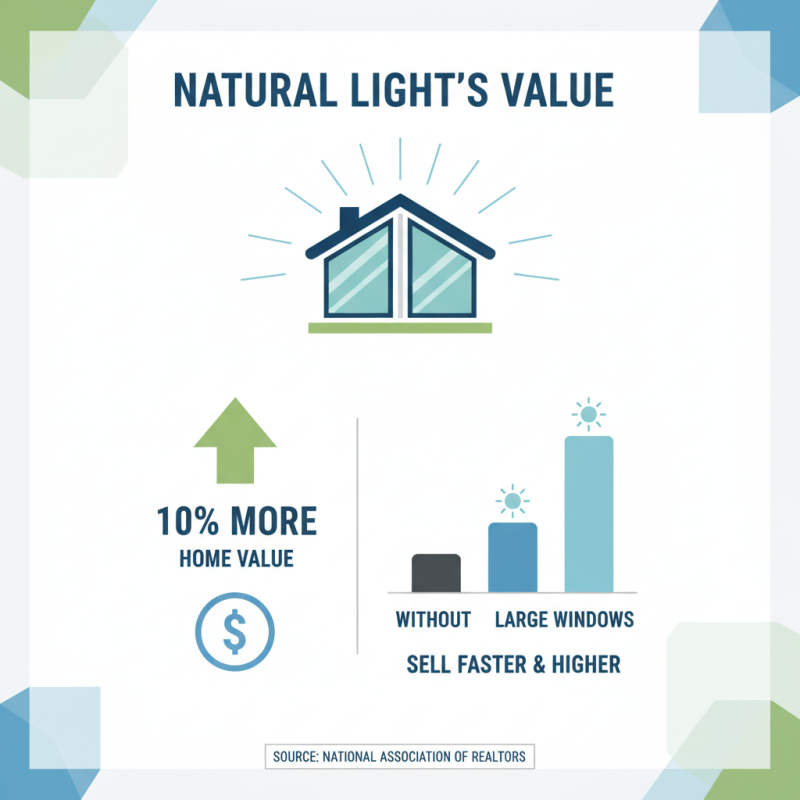
Large windows can transform the atmosphere of a home. They invite natural light, creating bright and welcoming spaces. According to the National Association of Realtors, homes with ample natural light sell for about 10% more than those without. This statistic underlines the value of large windows in real estate.
Natural light positively impacts mood and well-being. A study from the University of Essex found that people feel 20% happier in well-lit environments. Large windows can also enhance visual aesthetics. They blend indoor and outdoor spaces, making rooms feel expansive. Homeowners often appreciate this connection to nature.
However, choosing large windows requires careful consideration. Heat loss and glare are common issues. Proper placement and window treatment are crucial to mitigate these problems. Balancing aesthetics with functionality is important. Too much light can lead to discomfort. Reflecting on these factors can help achieve an ideal design.

Choosing large windows for your home is exciting. They enhance natural light and connect your interior to the outdoors. However, several key factors are crucial for making the right choice.
One major factor is energy efficiency. According to the U.S. Department of Energy, windows account for about 25-30% of residential heating and cooling energy use. Opting for double or triple-glazed windows can significantly reduce energy costs. Pay attention to the energy ratings. A higher efficiency means better insulation and comfort.
Consider the view and positioning. Large windows can frame beautiful landscapes or gardens, but poorly placed windows may lead to excessive glare. Think about privacy as well. You might want to avoid compromising your personal space with large, unobstructed views.
When selecting window styles, each design has its pros and cons. For example, floor-to-ceiling windows provide breathtaking views but can be more challenging to clean. Consider these aspects to balance aesthetics and practicality.
**Tips:**
- Evaluate your climate when choosing window materials.
- Don't forget about window treatments for added privacy.
- Explore various framing options to enhance overall design.
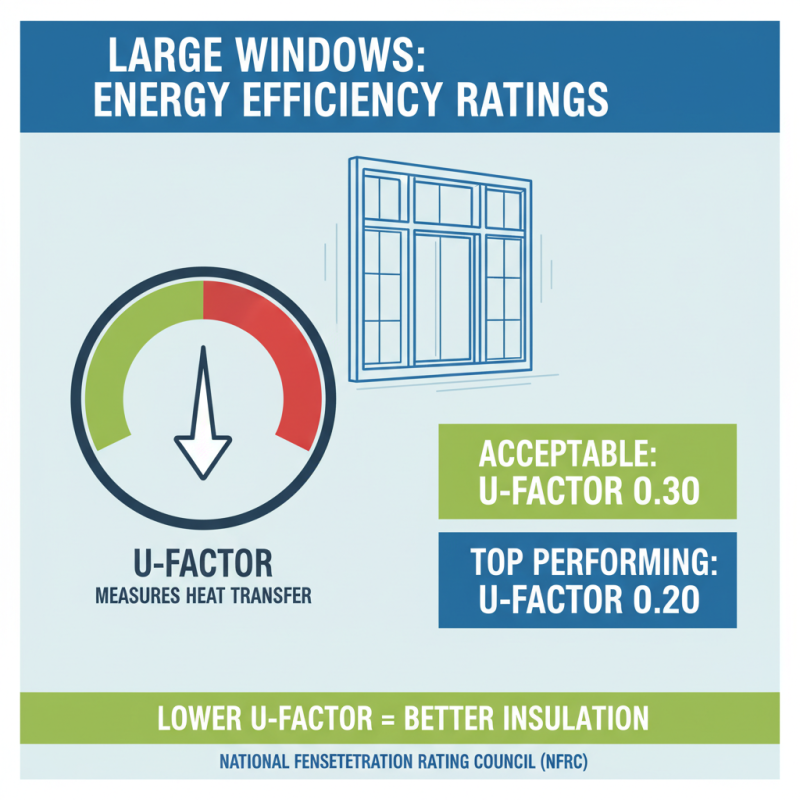
When it comes to large windows, understanding energy efficiency ratings is crucial. The National Fenestration Rating Council (NFRC) provides key metrics. Look for the U-factor, which measures heat transfer. Lower numbers indicate better insulation. A window with a U-factor of 0.30 is often deemed acceptable, while top-performing options can be as low as 0.20.
Energy Star labels highlight windows that meet specific guidelines. According to the U.S. Department of Energy, homes can save 12% on energy bills with Energy Star windows. However, not all large windows are created equal. Some might look appealing but fail to conserve energy. Always check the Visible Transmittance (VT) rating too. A higher VT means more natural light enters. This aspect matters in reducing the reliance on artificial lighting.
Additionally, glare can be a concern with large windows. While you want to maximize light, you don't want to compromise comfort. Sometimes, windows can let in too much heat. This could lead to increased air conditioning costs. It’s vital to balance aesthetics and practicality. Choosing the right large windows involves more than just style. Prioritize energy efficiency to achieve long-term savings.
When choosing large windows for your home, the material is crucial. Each option has its unique pros and cons.
Vinyl windows, for example, are affordable and energy-efficient. They require little maintenance.
However, they may not be as sturdy as wood when exposed to extreme weather.
On the other hand, wood windows offer a timeless look and excellent insulation. They can add character to your design.
Still, wood requires regular upkeep. Over time, it can warp or rot. This possibility may turn some homeowners away.
Aluminum windows are lightweight and strong. They provide a sleek, modern appearance.
Yet, they can conduct heat, affecting energy efficiency.
Tips: Think about your climate. Choose materials that can withstand local weather conditions.
Cost is also a factor. High-end materials can boost aesthetics but may strain your budget.
Don't forget about installation costs; they can vary widely. Reflect on your long-term maintenance plan to avoid surprises.
Make your choice based on what suits your home best.
When choosing large windows for your home, understanding local building codes is crucial. These regulations may dictate specific size limits. Some areas require a certain percentage of window space based on your home's square footage. Research local guidelines before making decisions. This will ensure compliance and help avoid costly alterations later.
Safety is another concern. Many codes have specific rules regarding window placement, especially in bedrooms and bathrooms. For instance, egress windows must meet size standards for emergency exits. Also, consider energy efficiency requirements. Some regions promote specific materials or designs to enhance insulation. Not following these rules may lead to fines or renovations.
Finally, don’t overlook aesthetic aspects. Though regulations matter, your windows should also reflect your style. Balancing personal preference with compliance can be challenging. It’s essential to find a solution that blends function with beauty. Regularly reviewing local codes can cause frustration, but it leads to better decisions. Build wisely and enjoy your large windows more.
Call us one of our 3 offices across Ontario, Canada
Thanks for contacting us!
We'll get back to you as soon as possible.