Choosing the right windows is crucial for any home. Among the various options, European style windows stand out. These windows combine elegance with exceptional functionality. Expert architect Sarah Jenkins once said, "European style windows enhance both beauty and energy efficiency." This sentiment highlights their practical benefits.
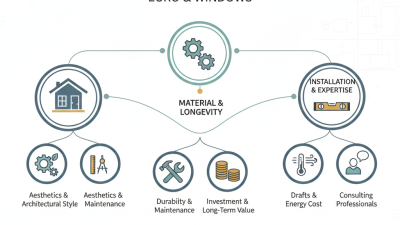
When selecting European style windows, first consider your home's architecture. The design should complement your overall aesthetic. The materials also matter. Options like wood, vinyl, and aluminum all provide unique benefits. Pay attention to insulation and soundproofing. These are essential features in maintaining comfort.
However, homeowners often overlook the importance of proper installation. Even the best windows won't perform well if not installed correctly. Reflecting on your choices is vital. Ask yourself if the windows fit your lifestyle and maintenance preferences. European style windows offer beauty, but ensure they align with your home's needs.
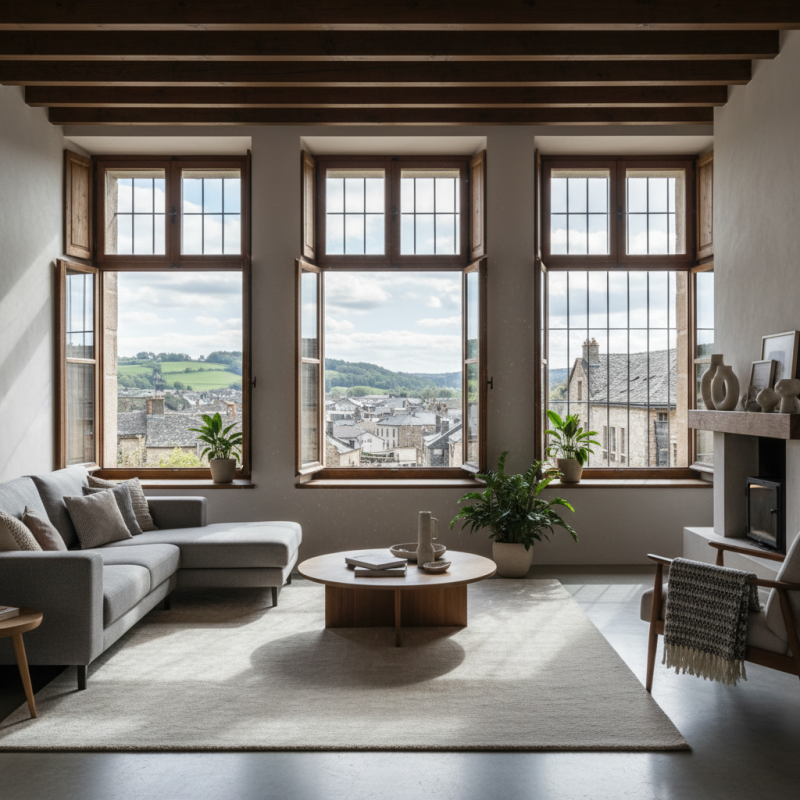
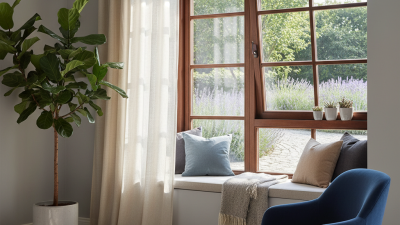
European style windows offer a unique blend of aesthetics and functionality. These windows come in various types, including casement, tilt-and-turn, and double-hung designs. Each style brings its own charm and benefits. Casement windows provide excellent ventilation and are easy to operate. Tilt-and-turn types offer versatility, allowing both tilting for ventilation and fully opening inwards for cleaning. Double-hung windows maintain a classic look while providing flexibility in airflow.
The benefits of choosing European style windows extend beyond their design. They often feature superior insulation, keeping homes warm in the winter and cool in the summer. Many designs incorporate energy-efficient glass, which can enhance overall comfort. They also provide improved security with multi-point locking systems. However, it’s essential to consider installation complexity. Some homeowners may find the installation process challenging and may need professional help.
While these windows can increase property value, they can also come with a higher upfront cost. It's crucial to weigh the long-term benefits against the initial investment. European style windows can enhance a home’s character, but careful consideration is needed to ensure they meet your specific needs and lifestyle preferences.
| Window Type | Material | Benefits | Energy Efficiency |
|---|---|---|---|
| Tilt and Turn | Wood, PVC, Aluminum | Versatile operation, easy cleaning | High |
| Casement Windows | Wood, Aluminum | Maximum ventilation, unobstructed views | Medium to High |
| Sliding Windows | Vinyl, Aluminum | Space-saving, easy operation | Medium |
| Hopper Windows | Wood, Aluminum | Ideal for ventilation, great for basements | Medium |
| Awning Windows | Wood, PVC | Rain protection, good air circulation | High |

When selecting European style windows, energy efficiency is a key factor. Look for windows with low U-values. This measure indicates how well a window retains heat. A lower U-value means better insulation. Pay attention to Energy Star ratings. They provide a reliable benchmark for energy performance.
Consider the materials used in the windows. Wood, vinyl, and fiberglass offer different benefits. Wood is aesthetic, yet needs maintenance. Vinyl is low-maintenance but can bend under extreme heat. Fiberglass offers durability and energy efficiency. It’s crucial to weigh these options carefully.
Check for triple glazing as well. This design can significantly enhance insulation. However, it may not always be necessary in milder climates. Pay attention to the window's frame construction too. A poorly made frame can compromise efficiency. Make sure to evaluate all aspects before making a decision.
Choosing the right material for European style windows can significantly impact your home’s aesthetic and energy efficiency. Wood frames offer a classic look, fitting for traditional homes. They provide excellent insulation. However, wood requires regular maintenance to prevent rot and deterioration. Studies show that wood can last over 30 years with proper care. Still, this upkeep can be burdensome for busy homeowners.
Vinyl frames are a popular alternative, known for their low maintenance. They resist fading and corrosion, making them a practical choice. According to industry reports, vinyl windows can help reduce energy bills by 12% to 20%. However, they may lack the elegance that wood offers. Some homeowners feel that vinyl does not add as much value during resale.
Aluminum frames are durable and lightweight, making them a strong choice for modern designs. They allow for larger glass panes, enhancing views and natural light. Yet, metal frames can conduct heat and cold, which may lead to higher energy costs. A combination of materials might provide a balanced solution, but it also complicates decision-making. Finding the perfect fit depends on personal preferences and practical considerations.
When considering European style windows for your home, installation requirements and costs are crucial. The average cost of installation can range from $500 to $1,200 per window. This variation depends on the window type and size. Data shows that labor accounts for 30-50% of this cost. Therefore, selecting the right contractor is vital for a successful installation.
Tips: Obtain multiple quotes. Prices can differ significantly from one contractor to another. Don’t hesitate to ask for a clear breakdown of costs.
Ensure that proper measurements are taken. This step is essential to avoid unnecessary modifications during installation. Inaccurate measurements can lead to increased expenses. Some homeowners might feel tempted to install windows themselves, but it's often not worth the risk. Industry studies suggest that DIY installations fail more often than not, leading to more expensive corrections later.
Tips: Check for local regulations. Certain areas may have specific building codes for window installations. Understanding these can save you from future headaches.
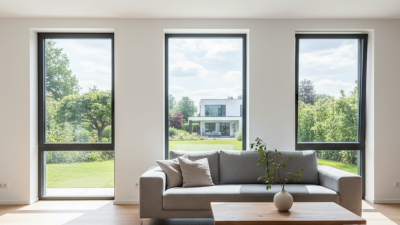
Choosing European style windows requires thoughtful design considerations. Aesthetic options are essential. They need to blend seamlessly with your home’s architecture. For instance, traditional designs often feature tall, narrow frames. In contrast, modern European windows might boast broader profiles and sleek lines.
According to recent surveys, over 70% of homeowners prioritize aesthetics when selecting windows. They want a look that complements their home's style. While European windows are known for their beauty, understanding the architectural compatibility is crucial. A mismatch can detract from your home’s charm. Look closely at the existing features to find harmony in design.
Subtle details often make a big difference, like window trim and color choices.
Current data indicates that energy-efficient windows can reduce heating costs by nearly 30%. However, it's vital to assess your climate and energy needs. Not all European styles offer the same level of efficiency. Research shows that while casement windows are popular, some may not suit every region's weather. Choosing the right fit involves more than just looks; it demands careful analysis of functionality too.
Call us one of our 3 offices across Ontario, Canada
Thanks for contacting us!
We'll get back to you as soon as possible.