2026 How to Choose the Best Laminate Plank Flooring?
Choosing the right flooring can dramatically impact your home’s aesthetic and functionality. Laminate plank flooring is a popular choice among homeowners for its versatility and durability. However, navigating through countless options can feel overwhelming.
Understanding your unique needs is crucial for making an informed decision. Factors like room usage, foot traffic, and personal style should guide your selection. The texture and finish of laminate plank options greatly vary. Some mimic natural wood beautifully, while others offer a sleek, modern look. Each choice has its pros and cons.
While laminate plank flooring is budget-friendly, it may not always reflect luxury. A lower initial price tag could lead to higher long-term costs in maintenance or replacements. Investing time in research will ensure you select a product that meets both your aesthetic and functional needs. Assessing quality often requires a careful eye and an understanding of the materials used. Ultimately, a thoughtful approach will lead you to the perfect laminate plank for your space.
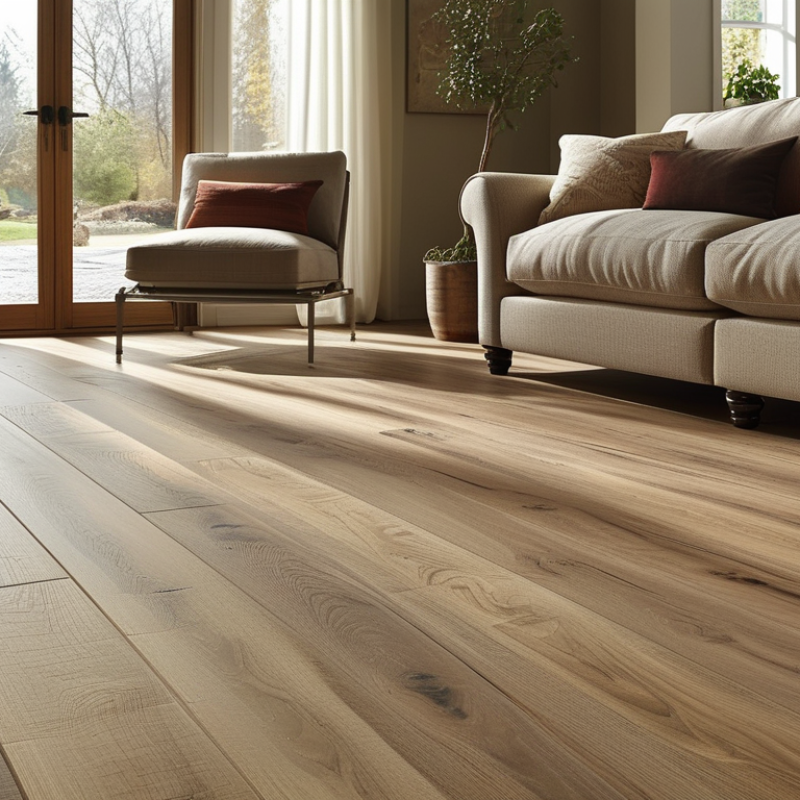
Factors to Consider When Choosing Laminate Plank Flooring
When selecting the best laminate plank flooring, multiple factors should influence your decision. One important factor is the durability of the laminate. Consider the thickness of the planks. Thicker planks usually offer better resistance to dents and scratches. Higher AC ratings indicate more durability, ideal for high-traffic areas.
Another key element is the moisture resistance of the flooring. If your space is prone to humidity, look for laminate designed for water resistance. This will help prevent warping and deterioration over time. Seeing a showroom sample can help you gauge how the flooring reacts to different environments.
Understanding the aesthetics is also crucial. Laminate flooring comes in various colors and styles. Choose a design that complements your interior. Don't shy away from bold patterns if that fits your style. However, making a choice solely based on appearance may lead to dissatisfaction later. It’s essential to think about long-term maintenance and cleaning.
When choosing laminate flooring, consider how it fits into your lifestyle. If you have pets or children, extra durability is necessary. The flooring should also align with your home's overall design scheme. Reviews from other users may provide insight into the product's performance over time, reinforcing your decision.
Understanding the Different Types of Laminate Flooring Available
Choosing laminate plank flooring can be overwhelming. There are various types available. Understanding these types is crucial for making the right choice.
High-density fiberboard (HDF) laminate is popular. It offers durability and resistance to moisture. This type suits busy households well. Another option is direct-pressure laminate, which combines layers for strength. Despite its resilience, it may show wear over time.
Texture and finish also matter. Some laminates mimic wood grain, while others imitate stone. These patterns can create beautiful aesthetics but may not always match the real thing. Consider your lifestyle too. A flooring option that looks good might not perform well in high-traffic areas. Balancing beauty and function is essential for a long-term investment.
Comparison of Different Types of Laminate Flooring
Key Performance Features of Laminate Plank Flooring to Evaluate
When selecting laminate plank flooring, focus on key performance features that reflect durability and aesthetic appeal. The thickness of the laminate is crucial. Thicker planks generally offer better sound absorption and resistance to wear. Look for products that are at least 8mm for residential spaces. For areas with high foot traffic, 12mm may be better. Stability is equally important, and products with a dense core can reduce the risk of bending or warping over time.
Another significant factor to evaluate is the AC rating. This rating indicates the laminate's resistance to abrasion and denting. An AC rating of 3 or higher is suitable for residential use. However, it might not withstand heavy furniture without showing signs of wear. Checking the surface finish adds extra value; textured finishes can enhance slip resistance, making them safer for homes with children or elderly residents.
Finally, consider the ease of installation. Some laminates offer click-lock systems that simplify the process, but not all are equally user-friendly. Researching user reviews can provide insights into any challenges encountered during installation. Every choice involves trade-offs, and reflecting on these aspects can lead to a more informed decision.
Cost Comparison: Laminate Flooring vs. Other Flooring Options
When considering flooring options, laminate flooring stands out for affordability. According to the National Wood Flooring Association, laminate flooring costs between $1 to $5 per square foot. This makes it a popular choice for budget-conscious homeowners. In comparison, solid hardwood flooring can reach $7 to $15 per square foot. Carpet remains a cheaper option, typically costing $2 to $6 per square foot. However, it often requires more maintenance and has a shorter lifespan.
Durability is another important factor. Laminate flooring has a lifespan of about 15 to 25 years. On the other hand, hardwood can last a lifetime with proper care. Vinyl flooring offers a comparable lifespan to laminate, but it can be more expensive, with costs ranging from $2 to $8 per square foot. Additionally, laminate is more resistant to moisture, making it suitable for various climates.
Maintenance costs should also be considered. While laminate is easy to clean, it may require replacement sooner than hardwood or tile. Homeowners often overlook these long-term costs. Reviewing all options ensures that the best choice aligns with both budget and lifestyle needs.
Installation Methods and Maintenance Tips for Longevity of Laminate Floors
When it comes to laminate flooring, installation methods greatly affect durability and performance. A floating installation is popular as it allows for easy adjustments later. This method uses interlocking planks that do not require glue or nails. However, precision in alignment is crucial. Gaps can lead to issues over time, such as moisture penetration.
Maintenance plays a critical role in extending the life of laminate flooring. Regular cleaning with a damp mop can remove dirt and prevent scratches. Avoid harsh chemicals; they can damage the surface. Additionally, placing doormats at entry points can reduce wear. It’s also essential to address spills promptly to prevent warping.
These methods may seem simple, yet many forget the details. Over time, neglect can lead to costly repairs. Reflecting on your maintenance routine is key to keeping your floors looking new. A little reflection can go a long way in avoiding wear and tear.









 Get a Free Quote
 See our Doors





 Start your estimate