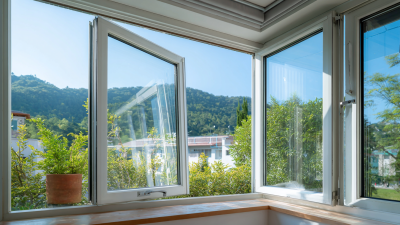
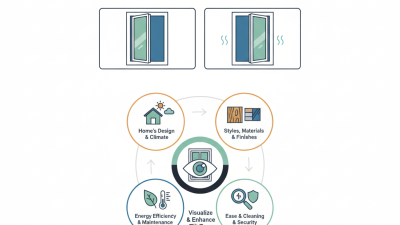
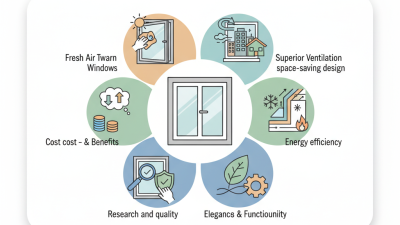
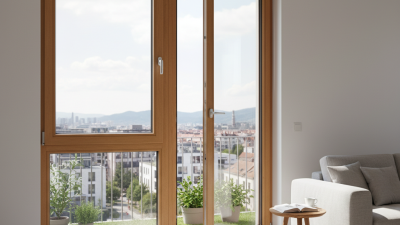
When selecting the best European style tilt and turn windows, it's crucial to consider various factors. These windows provide an elegant blend of functionality and design, making them popular in modern homes. Their unique operation allows for both inward tilting and swinging, promoting airflow while keeping a secure closure.
Quality matters when choosing European style tilt and turn windows. Look for reputable manufacturers with a proven track record. Check for certifications that ensure energy efficiency and durability. Materials and glazing are important too. High-quality frames can enhance insulation and energy savings. Aesthetic appeal should align with your home's decor.
While there are many options, finding the right windows involves thoughtful reflection. Consider your budget, climate, and maintenance requirements. Each decision impacts your home's comfort and style. Emphasize both practicality and visual appeal as you explore the perfect fit for your home.
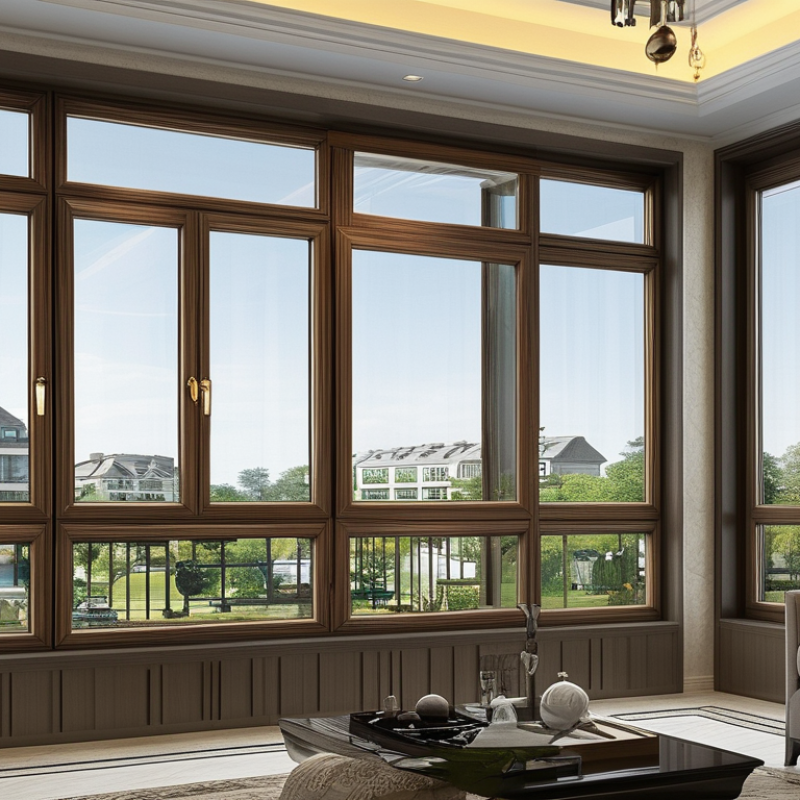
When considering European style tilt and turn windows, understanding their unique mechanisms is crucial. These windows operate with a dual function. They can be tilted for ventilation or turned inwards entirely for easy cleaning and enhancing natural light. This flexibility makes them a popular choice in modern architecture.
A report by the Window and Door Manufacturers Association notes that tilt and turn windows can improve energy efficiency by up to 30% compared to traditional double-hung windows. By providing better sealing against air leakage, these windows contribute to overall home insulation. Additionally, the ability to open them inwards minimizes the risks associated with cleaning high-rise windows.
Tip: Prioritize windows with triple glazing options to maximize thermal performance. This can greatly reduce heating costs in winter months.
It’s essential to consider the frame material. Aluminum frames are known for durability but can be less energy-efficient than wood or uPVC. Assessing your climate and personal preferences can help in making the right choice.
Tip: Always seek professional advice to evaluate local building codes and regulations that might affect your window selection.
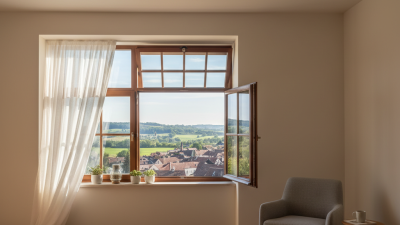
When choosing tilt and turn windows, focus on key features for optimal performance. One important aspect is the material. Common choices include uPVC, aluminum, and wood. Each material has its benefits and drawbacks. For instance, uPVC offers good insulation but may lack the aesthetic charm of wood.
Another feature to consider is the glazing. Double or triple glazing enhances energy efficiency and noise reduction. If you live in a noisy area, investing in thicker glass can make a significant difference. Look for windows with low-emissivity (Low-E) coatings. They help in maintaining indoor temperature and reducing energy bills.
Security is paramount. Tilt and turn windows provide excellent ventilation options without compromising safety. Ensure that the locking mechanisms are robust. Check for certifications that indicate durability and resistance to forced entry. While aesthetics matter, prioritize functionality and safety. These windows can be complex, but with careful consideration, you can find options that greatly enhance your home.
| Feature | Description | Importance | Recommended Material |
|---|---|---|---|
| Energy Efficiency | Windows that minimize energy loss and provide insulation. | High | uPVC or Wood |
| Security | Features like multi-point locking systems to enhance security. | High | Aluminum or Steel Reinforcement |
| Style and Design | Aesthetic appeal that complements the architecture of your home. | Medium | Wood or Aluminum |
| Ventilation Options | Ability to tilt for ventilation without fully opening. | High | All Materials |
| Durability | Resistance to wear and ability to withstand elements. | High | uPVC or Metal |
| Maintenance | Ease of cleaning and upkeep over time. | Medium | uPVC or Aluminum |
When selecting window frames for your European style tilt and turn windows, consider materials carefully. Options like wood, vinyl, and aluminum each have unique properties. Wood offers a classic look but requires maintenance. Vinyl is low-maintenance and energy-efficient, making it popular. Aluminum frames are durable but may not be as energy-efficient unless combined with thermal break technology.
Tips: Examine the climate in your area. In colder regions, energy-efficient frames are crucial. In contrast, aesthetic appeal might hold more weight in temperate climates. Balancing appearance with durability is essential.
Durability is key when choosing window frames. Look for materials with good resistance to weather elements. Over time, exposure can lead to wear and tear. Understanding long-term performance helps avoid costly replacements. Reflect on whether short-term savings on cheaper materials are worth the potential long-term issues.
Tips: Assess warranty details. A longer warranty often indicates greater confidence in durability. Check customer reviews to ensure real-world performance aligns with claims. This can help gauge reliability over time.
Choosing the right tilt and turn windows can significantly enhance your home's energy efficiency. When evaluating options, energy efficiency ratings are crucial. According to the National Fenestration Rating Council, windows are rated through factors like U-factor, solar heat gain coefficient (SHGC), and visible transmittance (VT). A lower U-factor typically indicates better insulation.
Many homeowners overlook these ratings. This can lead to higher energy bills and discomfort. For instance, windows with a U-factor of 0.30 or lower provide excellent insulation. They can help maintain indoor temperatures during harsh weather conditions. Pay attention to the SHGC as well. A lower SHGC number can reduce summer cooling costs, reflecting sunlight away from your home.
**Tip:** Always check the labels for energy ratings before purchasing.
Another key factor is the material of the window frame. Vinyl and fiberglass tend to have better energy performance compared to wood. However, wood provides aesthetic appeal that some homeowners prefer. Consider thermal performance, durability, and maintenance needs of each option. Make informed choices to get the best long-term value for your investment.
**Tip:** Consult local energy codes for specific requirements in your area.
When installing tilt and turn windows, proper planning is essential.
Ensure that the opening fits the window's dimensions precisely. Poor measurements can lead to gaps, causing air leaks.
Always check your level and plumb during installation. Use a trusted water-resistant foam sealant around the edges for better insulation.
This step is often overlooked but is vital for energy efficiency.
Maintenance is just as crucial as installation. Regularly clean the window frames to prevent dirt build-up.
Lubricate the hinges every few months to ensure smooth operation. Pay attention to the gaskets; if they look worn, replace them promptly.
This can prevent costly repairs down the line. It’s also advisable to inspect the window seals periodically.
Watch for signs of moisture, as this could hint at issues needing immediate attention.
These small steps contribute significantly to prolonging the lifespan of your windows.
Call us one of our 3 offices across Ontario, Canada
Thanks for contacting us!
We'll get back to you as soon as possible.