How to Choose the Best European Tilt Windows for Your Home?
When selecting the best European tilt windows for your home, the choices can be overwhelming. European tilt windows stand out for their unique functionality and design. They offer excellent ventilation while maintaining security. These windows can enhance your home's aesthetic appeal and energy efficiency.
Choosing the right model requires thoughtful consideration. Think about materials, style, and size. Understand the impact of window placement on light and airflow. You may feel tempted by beautiful designs, yet practicality is crucial. Research manufacturers to find reputable brands with a history of quality.
Installation is another critical aspect. Professional help can ensure optimal performance and longevity. Don’t overlook maintenance requirements. Some designs need more attention than others. Reflect on your lifestyle and preferences as you make your choice. The right European tilt windows can complement your home while providing lasting benefits.
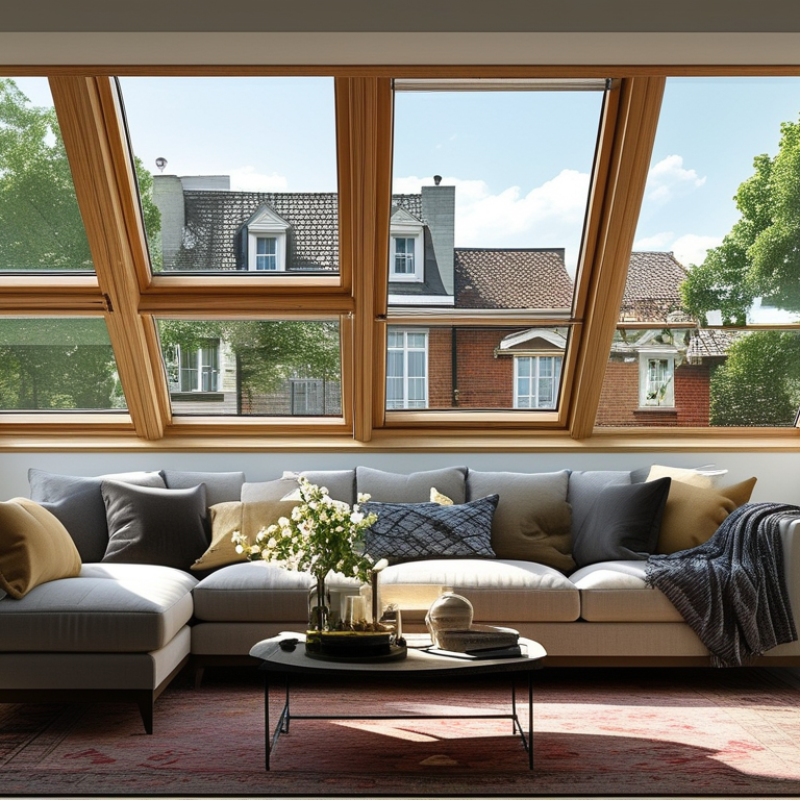
Factors to Consider When Choosing European Tilt Windows for Homes
When selecting European tilt windows, several crucial factors come into play. The Energy Saving Trust reports that windows account for up to 25% of heat loss in homes. Therefore, choosing energy-efficient designs is essential for reducing heating costs. Look for options with low U-values, as lower values indicate better insulation. Confirm these details with a reliable energy certification.
Aesthetic appeal should not be overlooked. The design should complement your home’s architecture. Consider the color, finish, and style of the frames. According to a National Association of Home Builders survey, homes featuring visually attractive windows can increase property value by up to 10%. Consultation with a design expert may help in achieving the best match.
Lastly, durability and maintenance matter greatly. High-quality materials tend to last longer. Based on industry data, poorly maintained windows can lead to significant repair costs over time. Evaluate the maintenance requirements when choosing your windows. Investigating warranty details is advisable. A flexible warranty can significantly enhance your peace of mind and reflects the window’s quality.
How to Choose the Best European Tilt Windows for Your Home?
| Factor |
Description |
Importance Level |
| Material |
Consider the durability and insulation properties of materials like uPVC, wood, or aluminum. |
High |
| Energy Efficiency |
Look for windows with high energy ratings to reduce heating and cooling costs. |
High |
| Glass Options |
Select between single, double, or triple glazing for better insulation and noise reduction. |
Medium |
| Security Features |
Ensure the windows have robust locks and shatterproof glass for increased security. |
High |
| Style and Design |
Choose a style that complements your home’s architecture and your personal taste. |
Medium |
| Cost |
Evaluate your budget and consider the long-term savings on energy bills. |
High |
| Warranty and After-Sales Service |
Check for warranty duration and the quality of after-sales support. |
Medium |
Understanding the Energy Efficiency Ratings of Tilt Windows
Understanding the energy efficiency ratings of tilt windows is crucial when selecting the best options for your home. Energy efficiency ratings, such as U-factor and SHGC, indicate a window's ability to insulate and manage solar heat. A lower U-factor signifies better insulation, while SHGC measures how much solar heat passes through. Selecting windows with high energy ratings can lower energy bills significantly.
Consider the climate of your area. In warmer regions, opt for windows with low SHGC ratings to minimize cooling costs. In colder climates, a low U-factor is more important for retaining heat. Researching these ratings can feel overwhelming, yet it is essential to make informed decisions.
When choosing tilt windows, pay attention to potential trade-offs. A more energy-efficient window might come with a higher initial cost. However, the long-term energy savings can offset this investment. Assess your budget and energy needs carefully. Understand that not all windows will suit every home, and some might require adjustments for a perfect fit.
Assessing Materials and Durability for European Tilt Windows
When selecting European tilt windows, the choice of materials is crucial. Many homeowners prefer vinyl for its low maintenance and energy efficiency. It effectively resists moisture and avoids warping over time. On the other hand, wood provides a timeless appeal but requires regular upkeep. The decision between aesthetics and durability can be challenging. Wood windows can offer a classic aesthetic, yet potential rot might cause concern.
Beyond materials, durability plays a significant role. Look for windows with multi-chamber designs that enhance insulation. Such designs often improve energy efficiency but come at a higher cost. Aluminum frames are another option that offers strength and resistance to the elements. However, they can be prone to condensation. Homeowners must weigh the pros and cons carefully.
Consider the climate in your area. If you live in a region with harsh weather, durability should be a top priority. Each material has its strengths and weaknesses. Reflect on how maintenance fits into your lifestyle. This can significantly influence your satisfaction, or lack thereof, with the windows over time. Make informed choices, and don’t rush the selection process. Taking the time can lead to a better long-term investment.
Material Durability Assessment for European Tilt Windows
Comparing Styles and Designs of European Tilt Windows
European tilt windows are notable for their versatility and aesthetic appeal. These windows come in various styles, including traditional casement and modern sliding designs. According to a report from the Window & Door Manufacturers Association, tilt windows can increase a home's energy efficiency by up to 20%. This efficiency contributes to lower energy bills while enhancing comfort.
When choosing a style, consider architectural compatibility with your home. For instance, a minimalist design pairs well with contemporary homes. On the other hand, decorative frames suit traditional settings. Material options vary too; wood offers warmth, while vinyl ensures durability. In some regions, wooden frames may require more maintenance, which could be a drawback.
Energy efficiency is not the only consideration; security is also crucial. Tilt windows often feature multi-point locking systems that enhance safety. However, some may find the locking mechanisms tricky to use. Regular maintenance can prevent wear and ensure optimal function. Evaluate the reliability of these features before making a choice.
Plan your selections based on climate. Understanding the weather patterns in your area allows you to select the most suitable materials and designs. European tilt windows can provide not just beauty but storm resistance when chosen wisely. Investing time in research will yield rewarding results in comfort and style.
Evaluating Installation and Maintenance Requirements for Tilt Windows
When evaluating installation and maintenance for tilt windows, several factors should come into play. Proper installation is crucial for optimal performance. Tilt windows often require specific techniques and tools. Engaging a professional installer can be beneficial. However, some homeowners prefer DIY methods. This can lead to issues if done incorrectly. The framing, sealing, and alignment must be precise to prevent drafts and leaks.
Maintenance is another essential aspect. Tilt windows offer easy cleaning access, but regular care is still needed. Inspecting hinges and gaskets for wear is important. Homeowners should also be cautious of accumulated dirt and debris. Neglecting these checks can result in functionality problems. It’s not uncommon to overlook issues until they escalate. Addressing minor wear and tear early can save time and money.
Lastly, understand that every installation may present unique challenges. Local climate and building codes can affect the installation process. If you notice irregularities, reflecting on previous experiences can guide your decisions. Don’t hesitate to seek advice from professionals. Learning from each step can pave the way for better choices in the future.











 Get a Free Quote
 See our Doors





 Start your estimate