In today’s rapidly changing world, the concept of modern living is evolving. Prefab Container Houses are at the forefront of this shift. According to industry expert Mark Thompson, “Prefab Container Houses combine efficiency with creativity, making them ideal for modern lifestyles.” These homes offer unique designs that break the traditional mold.
Each prefab design tells a story. They often feature open spaces, large windows, and eco-friendly materials. However, challenges exist. The durability of materials and insulation can be problematic. Not every design is practical for all climates or locations. It is essential to consider such factors before choosing a prefab container home.
Nonetheless, the popularity of these designs continues to rise. They cater to different tastes and budgets. With innovative designs, they provide solutions for housing crises in urban areas. A closer look reveals that while prefab container houses have benefits, they may not suit every individual’s needs perfectly. Exploring these aspects offers deeper insight into this growing trend.
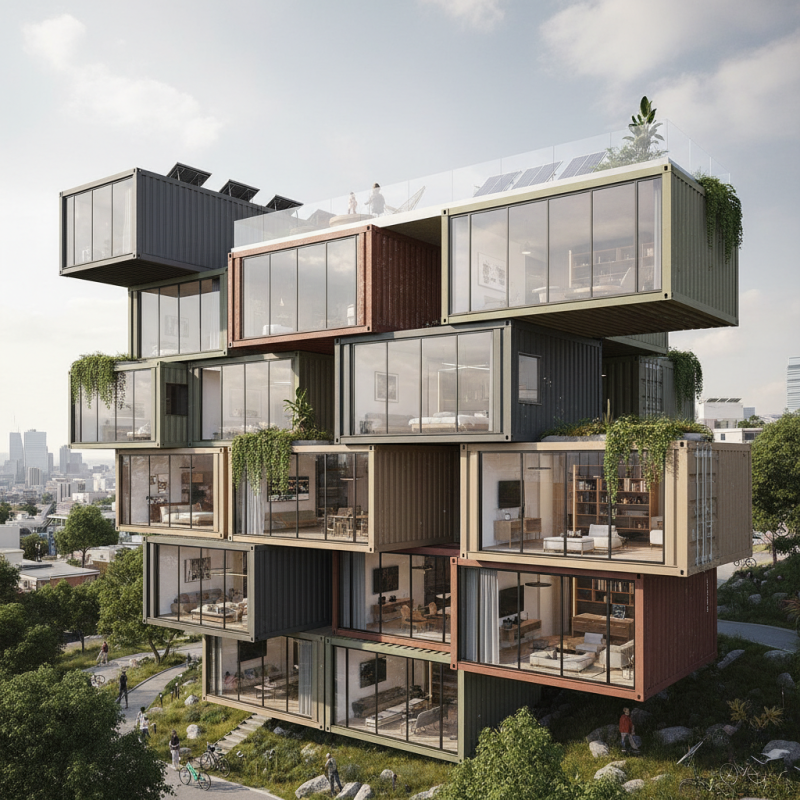
Prefab container houses are redefining modern living. These innovative homes blend style and functionality, attracting many. One notable feature is their customizable layouts. Homeowners can reconfigure spaces based on personal needs. Room arrangements can vary from open-plan living to cozy nooks for work or relaxation. This flexibility makes efficient use of space.
Another key aspect is sustainability. Many designs include eco-friendly materials and energy-efficient appliances. Solar panels can be installed on rooftops, reducing energy costs. Rainwater harvesting systems aid in minimizing water usage. However, some designs lack adequate insulation. This can lead to increased heating needs in colder climates.
Moreover, these homes often feature large windows, allowing natural light to brighten interiors. The blend of industrial style with natural elements creates a unique aesthetic. Despite their advantages, some may find it challenging to adjust to a smaller living space. The compact nature requires careful thought in design and storage solutions.

Container homes are gaining popularity for their unique design and sustainability. They are constructed using shipping containers, which are often discarded. These containers provide a sturdy structure and can be repurposed creatively. This recycling process reduces waste while creating functional living spaces.
Living in a container home has many environmental benefits. They typically require fewer resources to build compared to traditional homes. Energy efficiency can also be achieved with proper insulation. Some designs even integrate solar panels, further minimizing energy consumption. However, not all designs maximize these benefits. A poorly insulated container can lead to high energy costs.
It's essential to consider the location and layout. Building in an environmentally sensitive area can harm local ecosystems. The aesthetic choices matter too. While some container homes are visually striking, others may feel industrial and cold. Embracing imperfections and sustainable practices is crucial for making the best of container living.
Prefab container houses are becoming increasingly popular due to their versatility and unique designs. Many designs range from minimalist aesthetics to more intricate layouts. According to a recent report by the National Association of Home Builders, 68% of homeowners prefer modern designs that blend functionality with style.
One popular design style is the industrial look, characterized by exposed metal and raw finishes. This style offers a practical approach for urban living. Many container homes incorporate large windows and open spaces to maximize natural light. Additionally, a study by The Container House Foundation states that sustainable options appeal to 73% of potential buyers. Features like green roofs and solar panels are common in these eco-conscious designs.
Another trend is the incorporation of smart technology. Automation systems for lighting and heating are appealing. However, issues like connectivity and technical failures can arise. Homeowners should consider the dependability of these technologies. Container houses also face particular challenges in insulation and ventilation. Proper planning is crucial to avoid uncomfortable living conditions. As with any housing option, it’s essential to weigh the pros and cons. The design must fit the lifestyle and needs of the occupants.
| Design Name | Size (sq ft) | Bedrooms | Bathrooms | Key Features |
|---|---|---|---|---|
| The Modern Loft | 800 | 2 | 1 | Open floor plan, large windows, rooftop terrace |
| The Simple Retreat | 600 | 1 | 1 | Rustic design, eco-friendly materials, garden access |
| The Family Home | 1200 | 3 | 2 | Spacious rooms, modern kitchen, terrace |
| The Eco Pod | 400 | 1 | 1 | Sustainable design, rainwater harvesting, solar panels |
| The Contemporary Cube | 1000 | 2 | 2 | Geometric design, high ceilings, panoramic windows |
| The Beach House | 900 | 2 | 1.5 | Ocean views, open concept, outdoor shower |
| The Urban Oasis | 700 | 1 | 1 | Modern finishes, garden space, energy-efficient |
| The Rustic Retreat | 800 | 2 | 2 | Wooden accents, cozy interiors, fireplace |
| The Compact Studio | 300 | 0 | 1 | Efficient layout, multifunctional furniture, modern design |
Prefab container houses are gaining traction for their cost efficiency compared to traditional homes. A recent study shows that building with shipping containers can be 30-50% cheaper than conventional construction methods. The average cost of a prefab container home can range from $10,000 to $50,000, depending on size and modifications. In contrast, the average traditional home cost is around $300,000.
Construction time is another critical factor. Prefab homes take about 3-4 months from design to move-in. Traditional homes often take 6-12 months or more. This speed can lead to significant savings on labor costs and site management. However, it's vital to note that not all prefab designs maximize space efficiently. Occasionally, these homes feel cramped, particularly if not well-planned.
In terms of sustainability, prefab containers offer a unique solution. They recycle existing materials and often use eco-friendly insulation. Reports indicate that shipping container homes can reduce carbon footprints by 50%. Still, some designs may overlook energy efficiency or natural light, leaving occupants in darker, less inviting spaces. Balancing aesthetics with functionality remains a challenge in contemporary design.
Prefab container houses offer versatility and unique design possibilities. Customizing these houses can turn a simple structure into a personalized retreat. One can choose colors, layouts, and finishes that reflect individual tastes. Options like large windows can enhance natural light and views.
Tips: Consider how you want to use the space. Will it be a home office or a family gathering place? Think about functionality beyond aesthetics.
Adding features like a rooftop garden or decking can elevate your space. Don’t overlook insulation and energy-efficient materials. These choices can impact comfort and sustainability.
Tips: Reflect on your priorities. Do you prefer modern minimalism or cozy warmth? Aim for a balance between style and comfort for a truly unique home.
Call us one of our 3 offices across Ontario, Canada
Thanks for contacting us!
We'll get back to you as soon as possible.