What is the Best Option for Vinyl Windows in Your Home Renovation
When it comes to renovating your home, selecting the right materials is crucial for both aesthetics and functionality. One popular choice among homeowners is vinyl windows, known for their durability, energy efficiency, and low maintenance requirements. As you embark on your home renovation journey, it's essential to understand the numerous benefits that vinyl windows can provide. These windows not only enhance the curb appeal of your home but also contribute to significant savings on energy bills over time, making them an economical option for those looking to invest in their property.
Moreover, the variety of styles and configurations available with vinyl windows allows for a seamless integration into any architectural design. Whether you are looking to replace old windows or install new ones, the versatility of vinyl ensures that you can find the perfect fit tailored to your specific needs. Additionally, modern advancements in vinyl technology have improved the performance and aesthetic appeal of these windows, making them a top contender in the renovation materials market. As we delve deeper into the various aspects of selecting vinyl windows, you'll discover how they can elevate your home while providing long-lasting benefits.
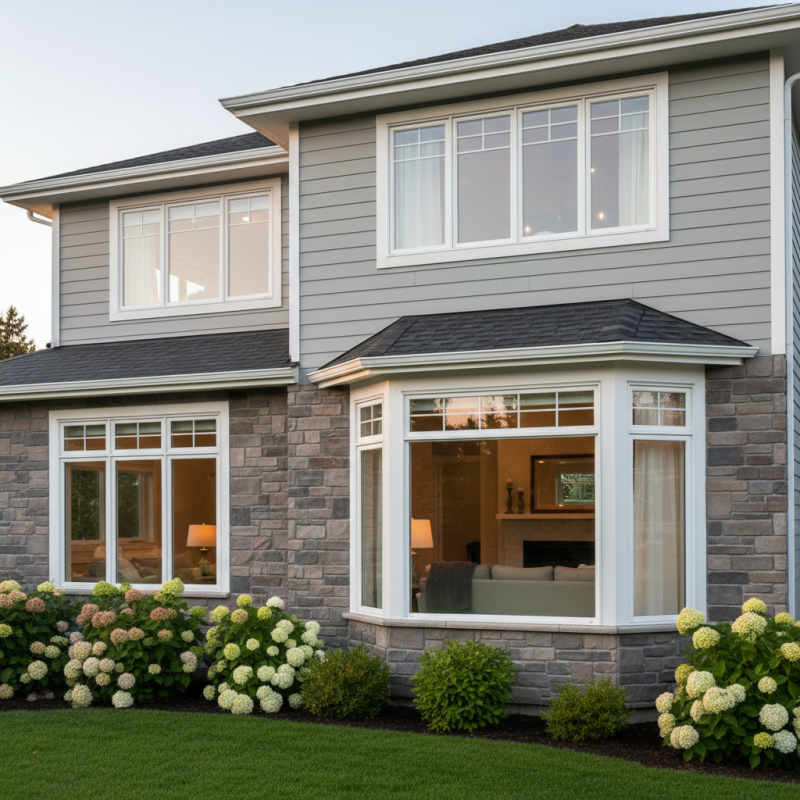
Factors to Consider When Choosing Vinyl Windows for Renovation
When choosing vinyl windows for your home renovation, several factors should be carefully considered to ensure you make the best decision for your needs. First and foremost, you should evaluate energy efficiency. Look for windows with a high Energy Star rating, as they can significantly reduce heating and cooling costs while keeping your home comfortable year-round. Additionally, consider the window's insulation features, such as multi-chamber frames and double or triple glazing, which enhance thermal performance.
Another important aspect is durability and maintenance. Vinyl windows are known for their resistance to warping, fading, and cracking, making them a practical choice for homeowners. However, it’s essential to assess the thickness and quality of the vinyl used, as this can vary among different products. Furthermore, think about the style and design that will complement your home’s aesthetic. From traditional to contemporary looks, vinyl windows come in a variety of styles, colors, and finishes, allowing for customization that can enhance your home's curb appeal.
What is the Best Option for Vinyl Windows in Your Home Renovation - Factors to Consider When Choosing Vinyl Windows for Renovation
| Feature |
Importance Level (1-5) |
Average Cost ($) |
Energy Efficiency Rating |
| Durability |
5 |
500 |
High |
| Maintenance |
4 |
450 |
Medium |
| Aesthetic Appeal |
5 |
600 |
Medium |
| Energy Efficiency |
5 |
550 |
Very High |
| Cost |
4 |
400 |
N/A |
Types of Vinyl Windows Available for Home Renovation Projects
When considering vinyl windows for home renovation projects, it is essential to explore the various types available to suit different styles and functionalities. One common option is single-hung windows, which feature a fixed top sash while the bottom sash can be opened for ventilation. This design is ideal for spaces where outdoor access is limited but natural light is a priority. Another popular choice is double-hung windows, allowing both the top and bottom sashes to move. This versatility enhances airflow and makes cleaning more convenient, making them a favored option for many homeowners.
Sliding vinyl windows are also a practical choice, particularly for wider openings. They consist of two sashes that slide horizontally, making them easy to operate while offering an unobstructed view. Casement windows, which open outward on hinges, provide excellent ventilation and an airtight seal when closed, making them suitable for areas requiring energy efficiency. Finally, bay and bow windows can add depth and dimension to a room while increasing natural light flow, contributing to a more open atmosphere. Each type of vinyl window offers unique benefits, allowing homeowners to select the best fit for their renovation needs.
Energy Efficiency and Insulation Benefits of Vinyl Windows
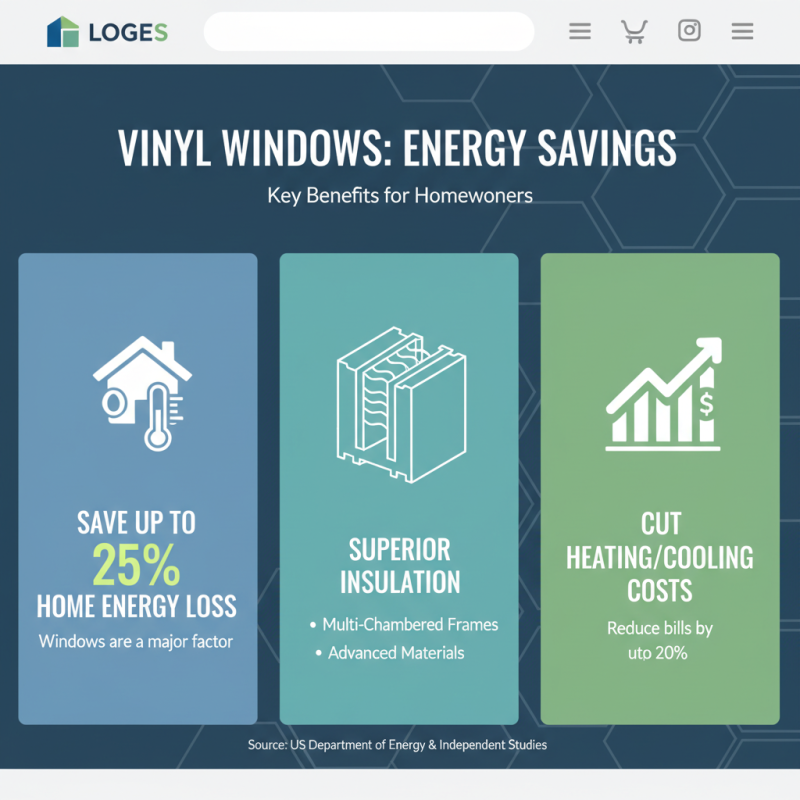
When considering vinyl windows for home renovation, the energy efficiency and insulation benefits they provide are paramount. According to the U.S. Department of Energy, windows account for up to 25% of residential energy loss. Vinyl windows, with their multi-chambered frames and advanced insulation properties, significantly help in minimizing this loss. Independent studies have shown that homes equipped with efficient vinyl windows can reduce their heating and cooling costs by up to 20%, making them a smart investment for homeowners looking to enhance their energy efficiency.
In addition to cost savings, vinyl windows also contribute to a home's overall comfort. The National Fenestration Rating Council (NFRC) highlights that vinyl windows typically offer lower U-values, indicating better insulation performance. A study from the Lawrence Berkeley National Laboratory confirms that replacing single-pane windows with vinyl double-pane windows can improve thermal comfort by maintaining a more consistent indoor temperature. This benefit not only enhances living conditions but also reduces reliance on HVAC systems, ultimately leading to lower energy usage and a smaller carbon footprint.
Installation Process of Vinyl Windows in Home Renovations
When considering the installation process of vinyl windows during home renovations, it's essential to start with accurate measurements. Begin by removing the existing window and cleaning the opening thoroughly to ensure that the new window can be installed correctly. Measure the height and width of the opening, taking into account any necessary adjustments for a proper fit. Precision is key, as even small discrepancies can lead to complications down the line.
Next, when the vinyl windows are ready for installation, ensure that the sill is level and that proper flashing is in place to prevent water intrusion. Place the new window into the opening, securing it temporarily with shims. This step is crucial for maintaining alignment. Once the window is properly positioned, proceed by fastening it to the frame, making sure to check for square as you go. Finally, apply insulation to the gaps around the window and finish with trim to provide a polished look. Proper installation not only enhances energy efficiency but also contributes to the overall aesthetic appeal of your home.
Comparing Costs: Vinyl Windows vs. Other Window Materials
When considering window options for home renovations, cost is a crucial factor that often sways homeowners toward vinyl windows. Vinyl windows are typically more affordable upfront compared to wood and aluminum alternatives. The initial purchase price of vinyl can significantly lower your budget, making it an attractive option for those looking to minimize expenses during a renovation. Additionally, vinyl windows generally require less maintenance, which can save money in the long run as they do not need regular painting or sealing like wood.
On the other hand, while vinyl windows may be less expensive initially, it is important to weigh the long-term value against materials like fiberglass or triple-glazed windows, which, while costlier upfront, offer benefits such as superior insulation and durability. These materials may offset their higher initial costs with energy savings over time, reducing heating and cooling expenses. Ultimately, while vinyl windows present a budget-friendly option, the choice between long-term durability and initial affordability should be carefully considered to align with the homeowner's renovation goals and financial plans.
Cost Comparison of Vinyl Windows vs. Other Window Materials











 Get a Free Quote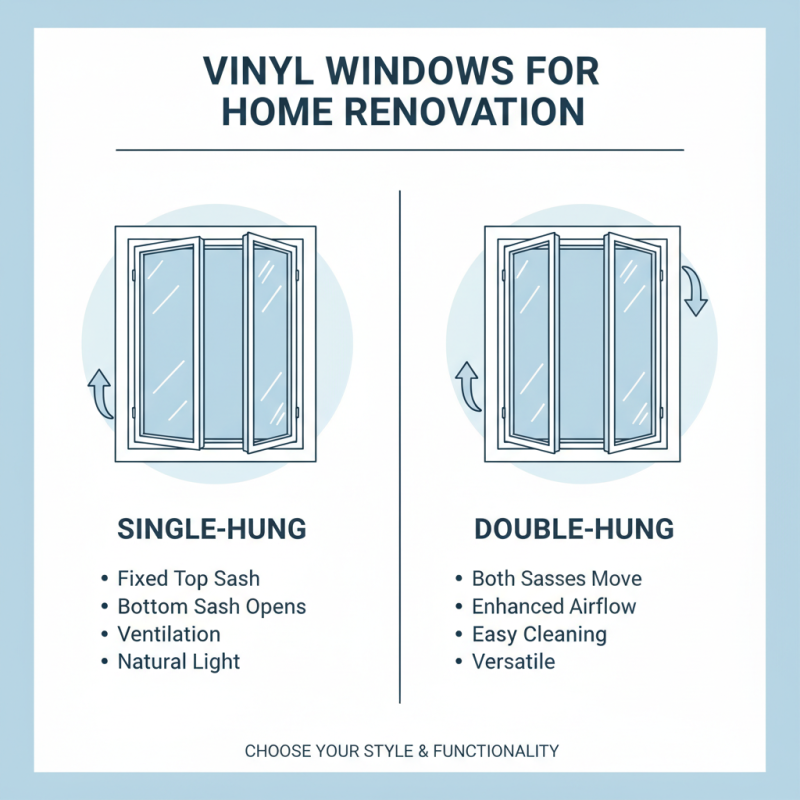
 See our Doors





 Start your estimate