Best Hdpe Cutting Board Material for Kitchen Use?
When choosing the best Hdpe Cutting Board Material for kitchen use, several factors come into play. HDPE, or high-density polyethylene, is favored by many chefs for its durability and safety. This material resists moisture and bacteria, making it ideal for food preparation. It does not absorb odors, which is a significant advantage in any kitchen environment.
However, not all HDPE cutting boards are created equal. Some may warp or scratch easily, compromising their effectiveness. It's essential to research brands and read customer reviews. Understanding the properties of HDPE cutting board material is key to making an informed purchase. While many are drawn to aesthetics, the focus should be on functionality and hygiene.
Ultimately, the right choice in HDPE cutting board material reflects your cooking style and needs. Look for thickness and surface quality that align with your kitchen activities. Remember that a good cutting board is an investment in your culinary experience.
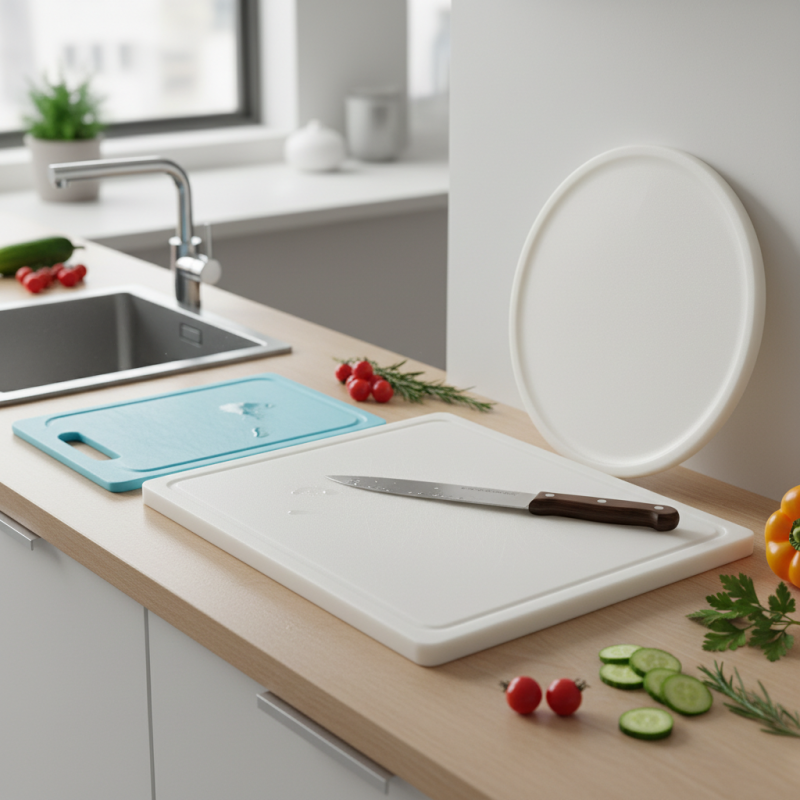
Understanding HDPE Composition and Properties
HDPE, or High-Density Polyethylene, is a popular choice for cutting boards in kitchens. Its chemical structure offers impressive durability and resistance to various food acids. HDPE is non-toxic and safe for food contact, making it an ideal option for culinary tasks. The material has a low moisture absorption rate, which minimizes the growth of bacteria.
One notable aspect of HDPE is its unique surface. This material does not dull knives easily, ensuring that they remain sharp for longer periods. However, scratches can develop over time. These imperfections can harbor bacteria. Regular cleaning and proper maintenance are crucial for hygiene. Though HDPE boards are robust, they may not be entirely scratch-proof.
Consumers should reflect on their choices when selecting cutting board materials. While HDPE is a reliable option, it is vital to assess personal needs. Consider factors like board size and thickness. Not every HDPE cutting board on the market offers the same quality. Researching various options can lead to a better decision for your kitchen.
Benefits of Using HDPE Cutting Boards in the Kitchen
When considering the best material for cutting boards in the kitchen, HDPE (High-Density Polyethylene) stands out. This type of plastic offers several benefits that enhance food preparation. HDPE boards resist moisture absorption and odor retention. They are durable and can withstand heavy use. Their non-porous surface makes cleaning easy and minimizes bacterial growth. This is crucial for food safety.
Using HDPE boards can help maintain the quality of your knives. They are softer than wood or glass, reducing wear on blade edges. Additionally, you can sanitize these boards in a dishwasher, ensuring thorough cleaning with minimal effort. They come in various colors, which can help prevent cross-contamination—simply assign colors for different food types.
Tips: Always use a separate board for raw meat to reduce contamination. It’s wise to replace your HDPE cutting board every few years, depending on usage. While HDPE is durable, check for deep cuts or scratches that can harbor bacteria. Consider marking your boards with dates to keep track of their lifespan.
Comparing HDPE with Other Cutting Board Materials
When choosing a cutting board, HDPE (High-Density Polyethylene) stands out among various materials. Unlike wood, HDPE offers a non-porous surface. This feature prevents bacteria from penetrating the material. In a busy kitchen, this can make a significant difference in food safety. Additionally, HDPE is more resistant to knife marks compared to softer materials.
Swinging to other materials, wood cutting boards have a natural charm. They can be gentle on knives, prolonging blade life. However, wooden boards require regular oiling and careful cleaning. They may harbor bacteria in their tiny crevices if not properly maintained. On the other hand, glass cutting boards are easy to clean and do not absorb odors. Yet, they can dull knives quickly and are prone to chipping or breaking.
While HDPE cutting boards are durable and easy to maintain, they might not offer the aesthetic appeal some cooks desire. Considering your kitchen's style and your cooking habits is crucial. Each material has its pros and cons. Reflecting on these can help you make a more informed choice for your kitchen.
Comparison of Cutting Board Materials
Care and Maintenance Tips for HDPE Cutting Boards
HDPE cutting boards are popular in kitchens for good reason. They are durable and non-porous, reducing bacterial contamination potential. According to a 2022 study by the Food Safety Authority, HDPE boards had significantly lower bacteria counts than wood boards after proper cleaning. However, maintenance is crucial to prolong their lifespan.
To care for HDPE boards, use a gentle soap and warm water after each use. Avoid harsh chemicals. It’s essential to sanitize the board regularly, especially after cutting raw meat. For tougher stains or odors, a mixture of baking soda and water can be effective. Rinse thoroughly and let it air dry to prevent moisture retention, which can degrade the material.
Despite their resilience, consistent wear can lead to scratches and grooves, which harbor bacteria. Inspect your board regularly and consider replacing it if significant wear is evident. Even with meticulous care, HDPE boards can sometimes retain odors. Regular maintenance remains key for optimal performance in your kitchen.
Choosing the Right Size and Thickness for Your HDPE Board
When choosing the right size and thickness for your HDPE cutting board, consider your typical kitchen tasks. Professionals often recommend boards that are at least 1 inch thick. This thickness provides durability and stability. A recent industry report indicates that thicker boards resist warping and scratching better. They also offer longer service life, reducing the need for frequent replacements.
For size, a standard cutting board is typically 18 by 24 inches. However, larger boards can enhance prep efficiency. A study by the Culinary Institute found that larger surfaces minimize cross-contamination risk. Having sufficient space allows for a cleaner, safer cooking area. On the other hand, oversized boards can be cumbersome in smaller kitchens.
Consider your cooking style when selecting dimensions. A minimalist approach works for simple tasks, while complex recipes may require larger surfaces. Remember that a board too large might not fit comfortably in your sink for cleaning. Balancing size and thickness is key to finding a cutting board that suits your needs and enhances your culinary experience.
Best Hdpe Cutting Board Material for Kitchen Use? - Choosing the Right Size and Thickness for Your HDPE Board
| Size (inches) | Thickness (inches) | Weight (lbs) | Ideal Use |
| 18 x 24 | 0.5 | 4.5 | General Use |
| 24 x 36 | 0.75 | 8.5 | Meat Preparation |
| 20 x 30 | 1.0 | 6.0 | Vegetable Chopping |
| 15 x 20 | 0.5 | 3.0 | Fruit Slicing |
| 30 x 48 | 1.0 | 10.0 | Buffet Serving |









 Get a Free Quote
 See our Doors





 Start your estimate