2025 How to Choose the Best Residential Windows for Energy Efficiency
When selecting the best residential windows for energy efficiency, homeowners are increasingly recognizing the pivotal role that these elements play in overall energy consumption and comfort. According to the U.S. Department of Energy, windows account for 25% to 30% of residential heating and cooling energy use. Thus, choosing the right windows can significantly influence a home's energy performance and utility costs.
In recent years, advancements in window technology have led to the introduction of various energy-efficient options such as
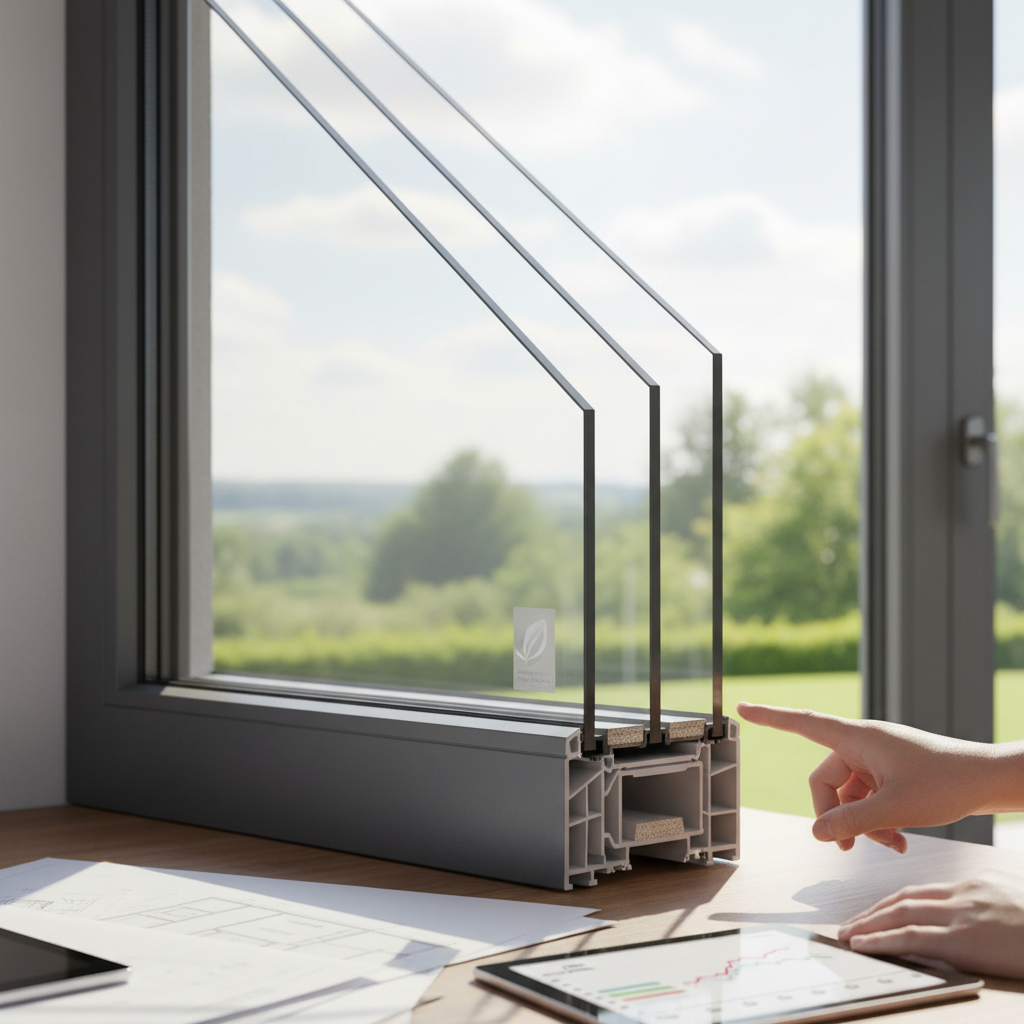
double or triple glazing, low-E (low emissivity) coatings, and argon gas filling, all aimed at minimizing heat transfer. The
National Fenestration Rating Council (NFRC) provides valuable metrics like the U-factor and Solar Heat Gain Coefficient (SHGC) that assist consumers in choosing windows best suited to their geographic climate. As climate change intensifies, optimizing window performance becomes not just a matter of comfort, but of sustainability—many states now offer incentives for upgrading to energy-efficient residential windows. As such, understanding these factors is crucial for making informed decisions that enhance both living spaces and energy conservation efforts.
Understanding Energy Efficiency Ratings for Residential Windows
When selecting residential windows, understanding energy efficiency ratings is crucial to making an informed choice. Energy efficiency ratings typically include measurements of U-factor, Solar Heat Gain Coefficient (SHGC), and Visible Transmittance (VT). The U-factor indicates how well a window insulates, with lower values signifying better insulation properties. This factor helps in determining how much heat escapes during winter, contributing to overall energy savings.
The SHGC measures the amount of solar radiation transmitted through the window, which is essential for homeowners in warmer climates. A lower SHGC value is advantageous in reducing cooling costs by limiting the amount of heat entering the home. Conversely, for colder regions, a higher SHGC may be beneficial to capture sunlight for passive heating. Additionally, Visible Transmittance rates inform buyers of how much natural light the window lets in, striking a balance between light and energy efficiency. By scrutinizing these ratings, homeowners can select windows that not only enhance comfort but also contribute to long-term energy savings.
2025 How to Choose the Best Residential Windows for Energy Efficiency
| Window Type |
U-Factor (BTU/hr·ft²·°F) |
Solar Heat Gain Coefficient (SHGC) |
Visible Transmittance (VT) |
Energy Star Rated |
| Double Glazed |
0.30 |
0.25 |
0.70 |
Yes |
| Triple Glazed |
0.22 |
0.18 |
0.66 |
Yes |
| Low-E Coated |
0.30 |
0.23 |
0.78 |
Yes |
| Vinyl Frame |
0.29 |
0.26 |
0.75 |
Yes |
| Wood Frame |
0.28 |
0.24 |
0.72 |
Yes |
Factors to Consider When Selecting Window Materials for Energy Efficiency
When selecting window materials for energy efficiency, several key factors come into play. First and foremost, the type of glazing used in windows significantly impacts thermal performance. According to the Department of Energy, double or triple-glazed windows can reduce energy loss by up to 50% compared to single-pane windows. The incorporation of Low-E (low emissivity) coatings further enhances this efficiency by reflecting heat back into the room during winter while keeping it out during summer.
Another essential consideration is the frame material. Vinyl frames, for example, are known for their excellent insulation properties and resistance to weathering, making them a popular choice for energy-efficient windows. A report from the National Fenestration Rating Council (NFRC) indicates that vinyl frames can offer up to 20% better energy performance than aluminum frames, which tend to conduct heat and cold more readily. Additionally, selecting the right spacer system, such as warm-edge spacers, can minimize heat transfer at the edges of the glass, thereby improving overall window efficiency. By taking these factors into account, homeowners can significantly enhance the energy performance of their residential windows.
The Importance of Window Design in Enhancing Thermal Performance
When selecting residential windows, the design significantly influences thermal performance, making it a vital consideration for energy efficiency. Innovative window designs that incorporate multiple glazing layers can drastically reduce heat transfer. For instance, double or triple-pane windows are commonly recommended, as the trapped gases between the panes serve as effective insulators, minimizing the exchange of indoor and outdoor temperatures. Additionally, the use of low-emissivity (Low-E) coatings can reflect heat back into the home during winter and deflect solar heat during summer, enhancing comfort while reducing reliance on heating and cooling systems.
Furthermore, the frame material and shape play a crucial role in window thermal performance. Materials such as vinyl or fiberglass tend to offer better insulation compared to traditional aluminum frames. Meanwhile, the design elements, including the angle and orientation of the windows, can maximize natural light while reducing heat loss. By carefully considering these aspects, homeowners can make informed choices that not only improve energy efficiency but also contribute to a more sustainable living environment.
Energy Efficiency of Residential Windows in 2025
How Proper Installation Affects Energy Efficiency in Residential Windows
The installation of residential windows plays a crucial role in maximizing energy efficiency. When windows are not properly installed, gaps and misalignments can occur, allowing air leaks that compromise insulation. This not only leads to drafts and discomfort but also results in higher energy bills as heating and cooling systems work overtime to maintain indoor temperatures. Therefore, ensuring a precise fit and proper sealing during installation is essential to achieving the full benefits of energy-efficient windows.
Moreover, the choice of materials and techniques used in installation can further enhance energy performance. For instance, installing windows with low-emissivity (Low-E) coatings in a way that minimizes direct exposure to sunlight can help to prevent unwanted heat gain during warm months while retaining warmth in the winter. Additionally, employing insulation techniques around the window frames can significantly reduce thermal bridging. By prioritizing proper installation practices, homeowners can effectively optimize the energy efficiency of their residential windows, leading to long-term savings and increased comfort.
Exploring the Latest Technologies in Energy-Efficient Window Solutions
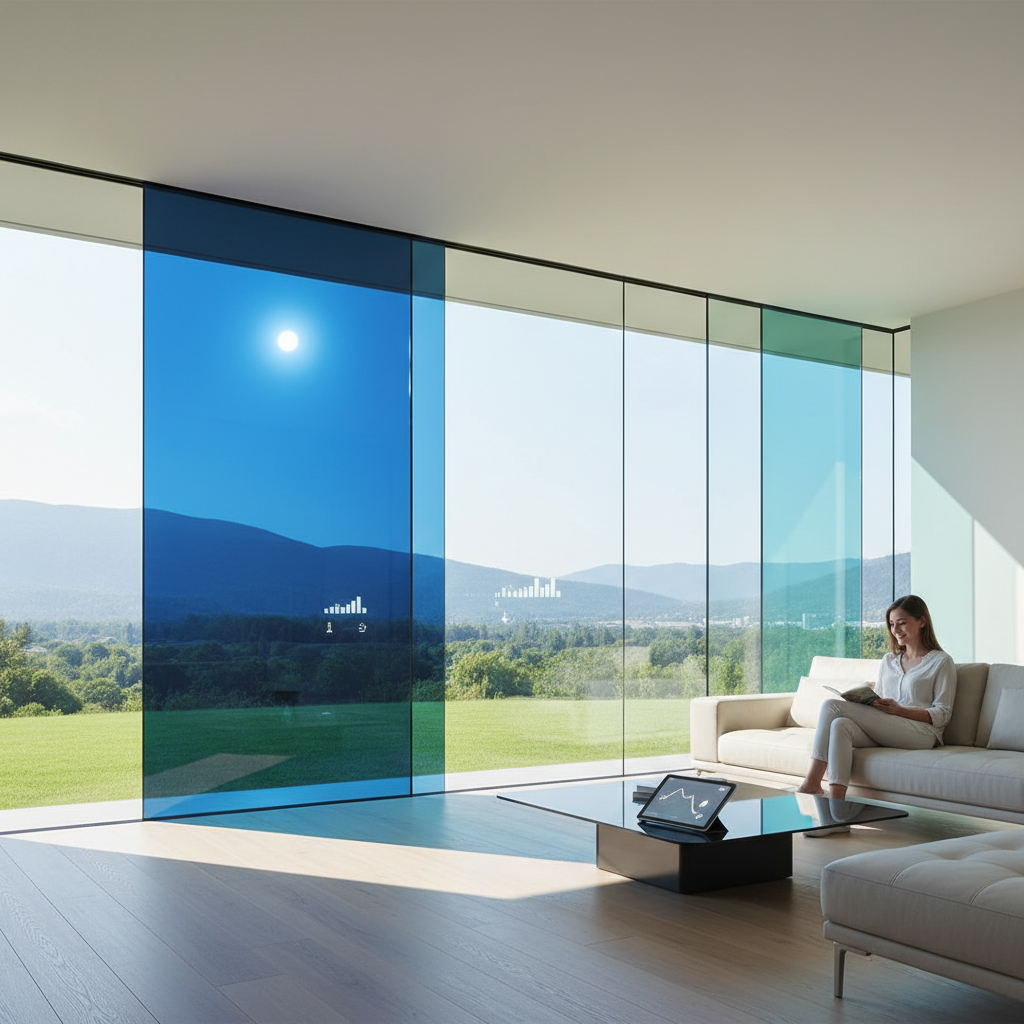
The global market for smart electrochromic glass is projected to reach $7.29 billion by 2033, showcasing a steady 4.0% compound annual growth rate from 2025's valuation of $9.976 billion. The recent expansion of this sector highlights the increasing demand for energy-efficient window solutions that tailor residential environments to minimize energy consumption and maximize comfort. Innovations in electrochromic technology allow windows to change their tint in response to sunlight, significantly reducing the reliance on air conditioning and artificial lighting.
In Southeast Asia, the energy-efficient window market is experiencing growth as more consumers and businesses become aware of the benefits associated with these advanced solutions. A recent exploratory mission led by Thailand's Deputy Prime Minister demonstrated the importance of international collaboration in elevating the renewable energy sector. By engaging with leading manufacturers and technology providers in the region, there's significant potential for introducing smart window technologies that could revolutionize energy conservation efforts in residential buildings, leading to sustainable urban living practices.












 Get a Free Quote
 See our Doors





 Start your estimate